Before choosing a used Honda CR-V Hybrid for sale, check its identity, vehicle history, maintenance records, recall status, road-test behavior and inspection results. Treat battery condition and warranty eligibility as separate checks: a clean history report and a quiet drive do not establish either one.
- Shopping for a honda cr v hybrid for sale? Verify records and arrange an inspection before committing.
- A used Honda CR-V Hybrid needs both ordinary vehicle checks and hybrid-system checks.
- Bristol Honda fits Tri-Cities shoppers seeking Honda vehicle sales and service from a dealership in Bristol.
- Confirm coverage for the specific vehicle; do not assume a used Honda is certified pre-owned.
Why this matters
A used hybrid purchase involves more than deciding whether you like the seats or the way the vehicle drives. You also need to separate documented maintenance from reassuring statements, and ordinary wear from symptoms that need diagnosis.
Bristol Honda is located in Bristol, Tennessee, and serves Johnson City and Kingsport with vehicle sales, financing, service and parts. Whether you are shopping from Bristol, Johnson City or Kingsport, make the same request before visiting: identification details, maintenance documentation and permission for a pre-purchase inspection.
For a 2026 purchase, check the vehicle’s current condition and current records. An inspection completed before additional driving or repairs does not describe everything about its condition today.
Buying a used Honda CR-V Hybrid: what should you check?
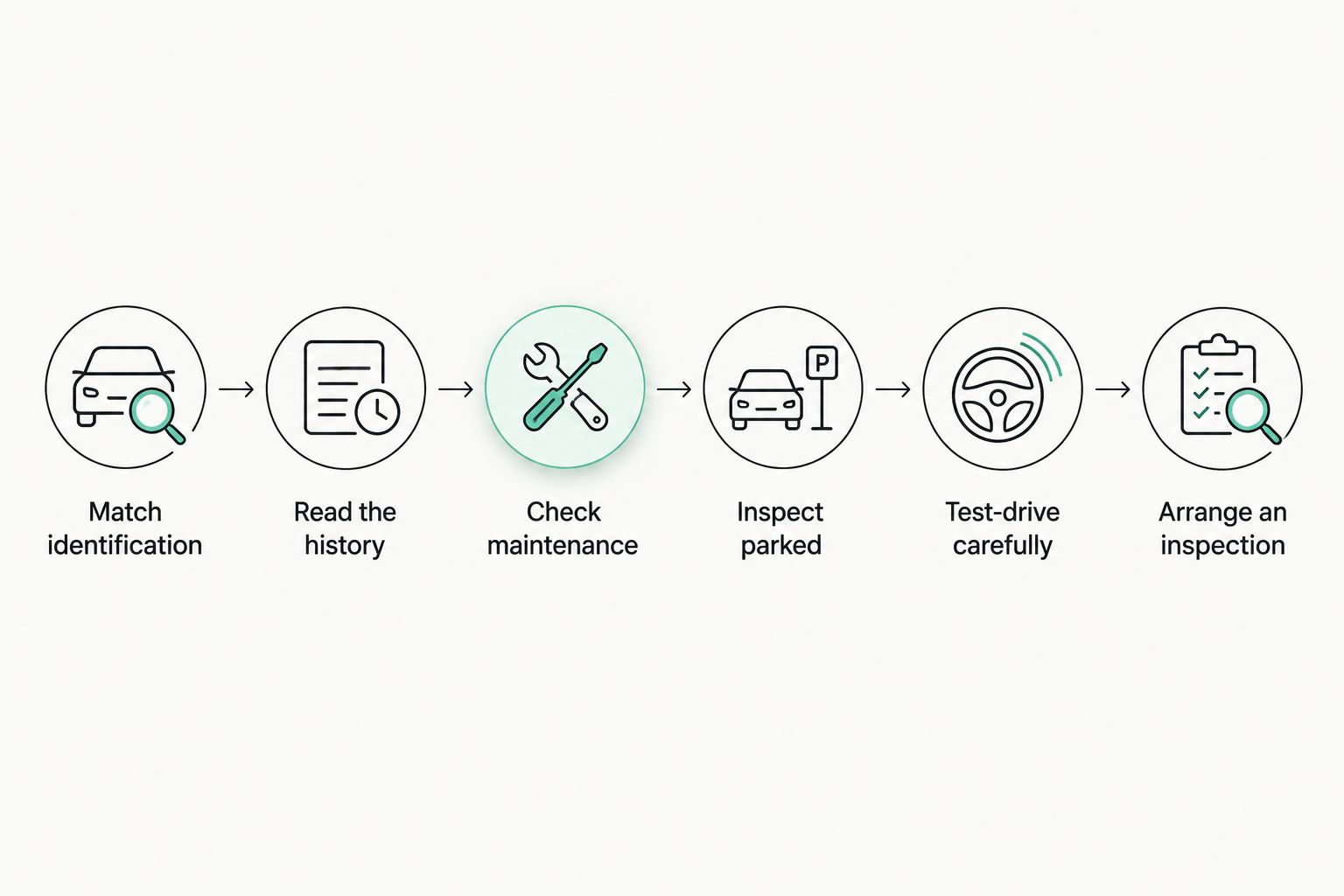
Check the specific vehicle, not the reputation of the model. Use the following sequence to connect the listing, paperwork, road test and professional inspection into one buying decision.
Match identification
Match the vehicle identification number, or VIN, on the vehicle with the title documents, history report and listing. Confirm the model year, trim and equipment using documentation for that vehicle rather than a generic advertisement.
Ask the seller to explain any mismatch before discussing an agreement. Equipment descriptions copied from another listing are not proof that a particular vehicle has those features.
Check title status and the seller’s authority to sell the vehicle. If financing or a lien affects the transaction, ask how the necessary paperwork will be handled before you sign.
Read the history
Review reported ownership changes, title events, damage and recorded mileage together. Look for a consistent timeline rather than focusing only on whether the report shows an accident.
A vehicle-history report is useful evidence, but it is not a mechanical inspection. Unreported damage or undocumented repairs require physical inspection and supporting records to uncover.
Use this guide to understanding vehicle history to organize questions about gaps or conflicting entries. Ask for repair invoices when a seller says damage was minor or a problem was already corrected.
Check maintenance
Read dated invoices and maintenance entries alongside the odometer reading. Look for evidence that the previous owner followed the maintenance guidance applicable to that model year and responded to service reminders.
Oil service, tire care, brake inspections and fluid-related maintenance still matter on a hybrid. Do not assume that reduced engine operation eliminates routine maintenance needs.
If records are incomplete, ask the inspecting technician to identify what can be assessed now and what remains unknown. Missing paperwork is a reason to investigate, not proof that maintenance was skipped.
Inspect parked
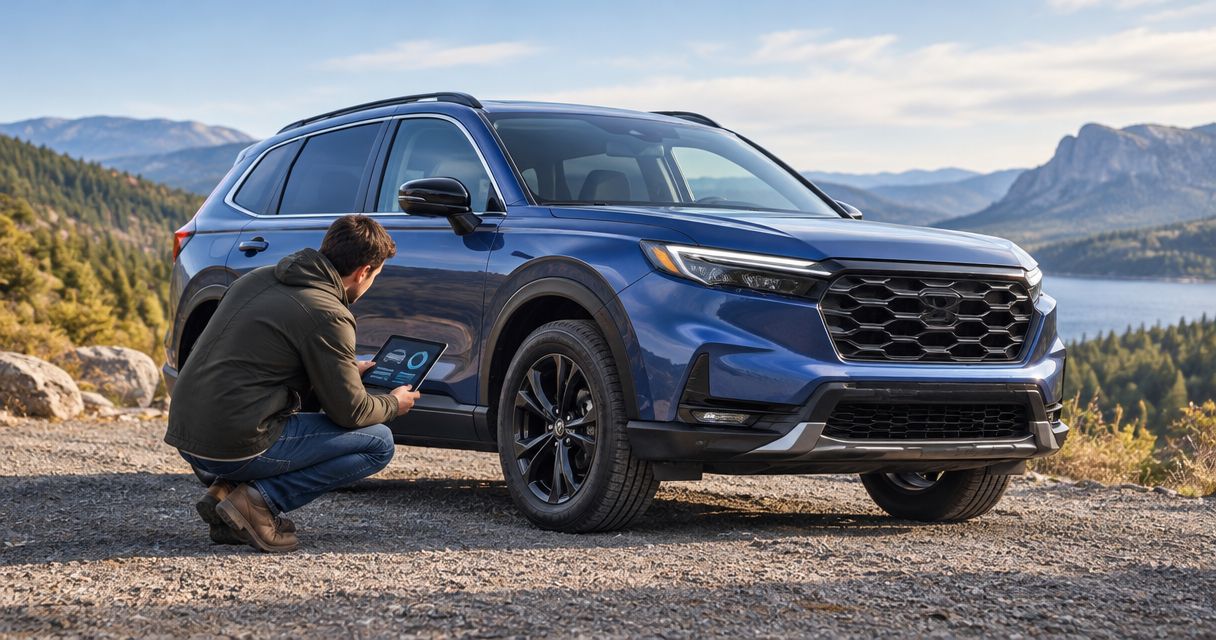
Inspect the vehicle in good light before the road test. Check body-panel alignment, visible paint differences, glass, interior moisture, tire wear and signs of leaks without crawling beneath an unsupported vehicle.
Operate the climate controls, windows, locks, lights and other equipment included on that vehicle. Check that warning indicators behave as described in the owner’s manual and investigate any warning that remains on.
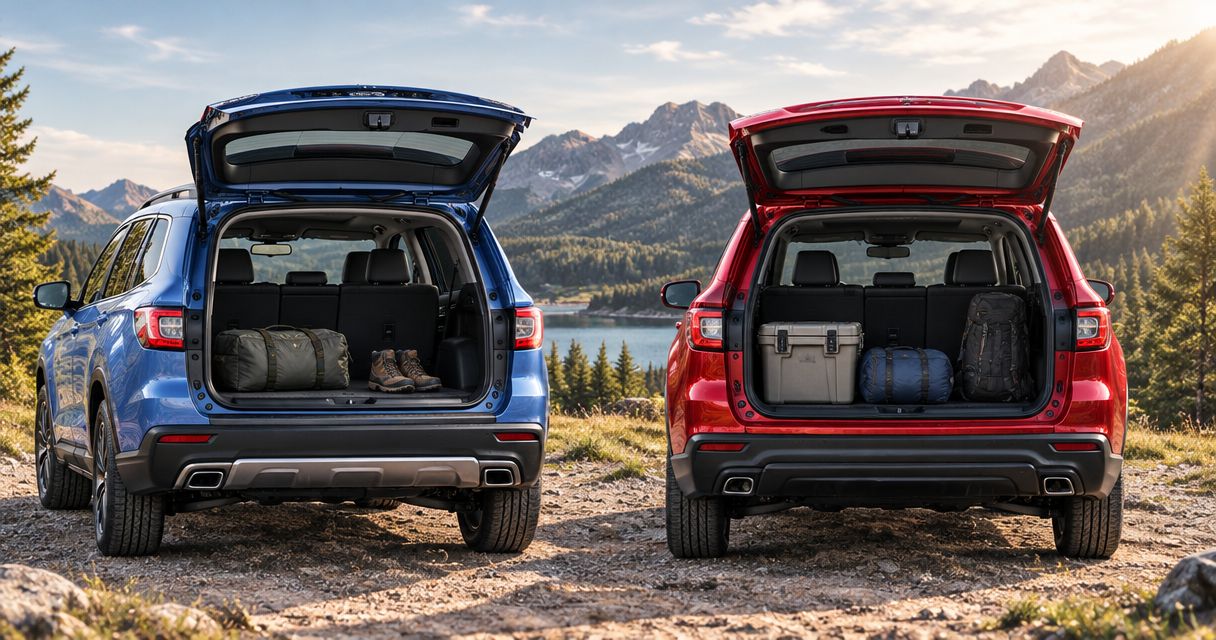
Look at the condition of the cargo area and cabin as well as the driver’s seat. Damage, odors or water staining deserve an explanation supported by inspection, not simply a promise to clean the vehicle.
Test-drive carefully
Arrange a route that includes ordinary stops, turns, parking maneuvers and faster roads where safe and permitted. Drivers in Bristol, Johnson City and Kingsport should consider whether the route reflects their usual commuting and passenger needs.
Pay attention to steering pull, vibration, brake feel and unusual noises. A hybrid’s gasoline engine can start and stop during normal operation; ask about behavior you do not understand rather than diagnosing it from sound alone.
Check visibility, seating comfort and cargo access while parked. Do not handle a phone, study menus or attempt diagnostic checks while driving.
Arrange an inspection
Ask a technician familiar with Honda hybrids to assess the vehicle before you commit. Request a written summary that distinguishes safety concerns, diagnostic findings, maintenance needs and items that need further investigation.
Ask what hybrid-system checks the inspection includes and what those checks can establish. A diagnostic scan can reveal useful information, but it does not guarantee future battery life or establish every component’s condition.
Do not touch orange high-voltage cables or attempt to open hybrid-system components. Leave high-voltage diagnosis and repair to appropriately trained technicians.
Which checks provide the strongest evidence?
No single check answers every buying question. Use documentation to establish the history, a road test to assess usability and an inspection to investigate condition. Each method has a different blind spot.
| Check | Best for | Useful evidence | Limitation |
|---|---|---|---|
| Vehicle-history report | Reviewing reported events | Title events, recorded mileage and reported damage | Does not establish current mechanical condition |
| Service documentation | Reviewing recorded maintenance | Dated work, mileage and repair details | Cannot show work that was never documented |
| Road test | Assessing everyday fit | Comfort, visibility, braking feel and noticeable symptoms | Cannot establish internal battery condition |
| Professional inspection | Assessing present condition | Physical findings and diagnostic results within the inspection’s scope | Does not guarantee future reliability |
Ask how conflicting evidence will be resolved. For example, a seller’s statement that a vibration is normal should not override an inspection finding that requires further diagnosis.
Why used Honda CR-V Hybrid condition varies
Used vehicles with similar descriptions can have different maintenance needs. Focus on documented differences rather than assuming that matching model names mean matching condition.
- Maintenance history: Dated records help establish what work was completed and when.
- Damage and repairs: Repair documentation and physical findings help explain previous damage and its correction.
- Current tire and brake condition: Wear and deterioration affect what needs attention after purchase.
- Hybrid-system findings: Warning messages, diagnostic information and technician observations require vehicle-specific interpretation.
- Storage and environmental exposure: Moisture, corrosion and long periods without use deserve inspection when evidence points to them.
- Equipment and model year: Different vehicles require the correct manuals, parts information and inspection references.
For a 2026 comparison, do not rank vehicles on odometer readings alone. Put mileage beside the service timeline, inspection findings and your intended use.
What should you verify before agreeing to buy?
Separate the vehicle’s equipment, sale terms and coverage into distinct questions. That keeps a comfortable test drive from becoming a decision made before the paperwork is clear.
Confirm equipment against the actual vehicle
Use model-year-specific Honda documentation to verify features that matter to you. Check their operation in the vehicle rather than assuming that every CR-V Hybrid includes the same equipment.
Bring the items you normally carry if practical, such as a stroller or mobility aid, and check whether they fit safely. If child-seat fit matters, follow the vehicle and child-seat manufacturers’ instructions rather than judging installation space by appearance alone.
Establish what certified pre-owned means for this vehicle
A used Honda is not automatically a certified pre-owned Honda. Ask whether the particular vehicle is enrolled in a Honda certification program and request the applicable documents.
Read the inspection information, coverage terms, exclusions and claim requirements. Certification adds documentation to evaluate; it should not replace your own review of condition and fit.
Read the written terms
Confirm which vehicle the agreement covers and which documents form part of the transaction. If financing is involved, review the written agreement and ask for an explanation of any unfamiliar term before signing.
Do not treat a verbal statement about repairs or coverage as a substitute for written terms. Make sure any agreed work is described clearly enough that you can confirm completion.
For paperwork signed in 2026, verify the dates and terms on the documents you actually receive. A saved advertisement or an older description is not the agreement.
What should the service inspection cover?
A useful inspection request gives the service team a clear question: what needs attention before purchase, and what maintenance should the next owner plan? Ask about the scope before the appointment so you know what the assessment includes.
Battery systems and warning messages
Ask the technician to distinguish the high-voltage hybrid battery from the separate low-voltage battery system. A problem involving one does not, by itself, establish a problem involving the other.
Describe symptoms precisely: whether the vehicle failed to become ready to drive, displayed a warning or behaved differently during a particular maneuver. Avoid clearing diagnostic information before inspection, because that can remove information useful to the technician.
Brakes, tires and the underside
Ask for brake and tire findings in writing, including any recommendation for further work. Regenerative braking does not eliminate the need to inspect the conventional brakes.
An underside inspection can identify visible leaks, damage or corrosion that a walk-around misses. Have the technician explain the significance of each finding rather than treating every observation as equally urgent.
Maintenance and parts planning
Ask which maintenance items are due under the vehicle’s applicable maintenance guidance and which recommendations respond to an observed condition. Those are different reasons for service and should be explained separately.
When ordering replacement parts, provide the VIN and confirm fitment for the specific vehicle. Matching only the model name is not enough when equipment or model-year differences affect the part.
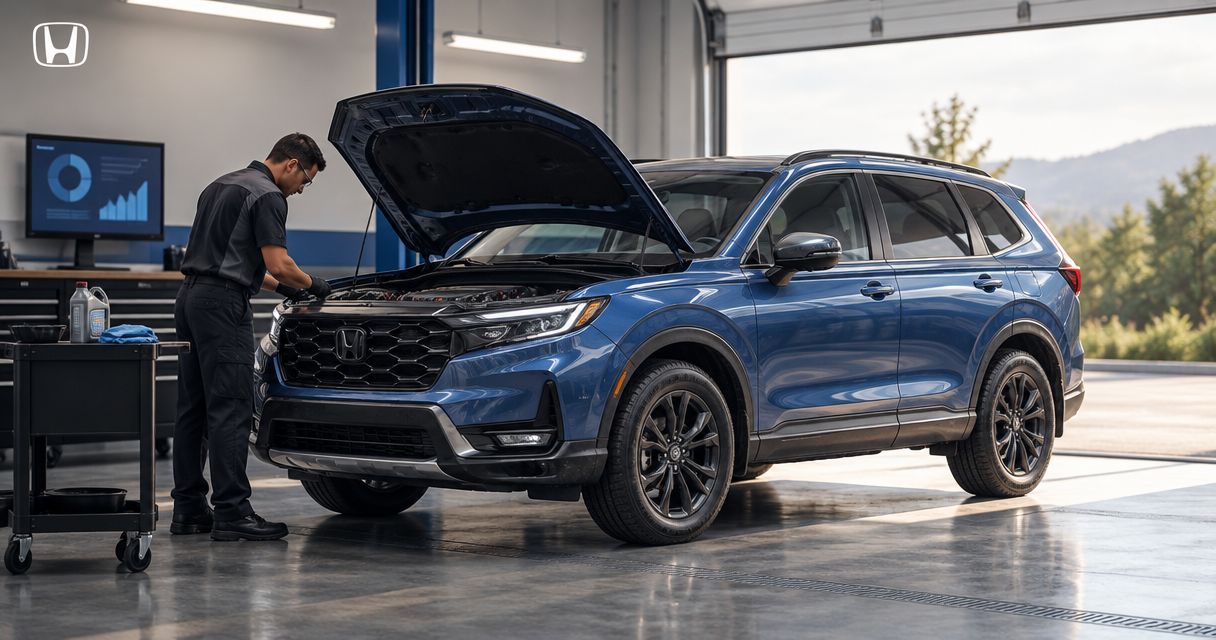
Bristol Honda provides Honda service and parts alongside vehicle sales. Ask the team about certified Honda service for the work you need, the inspection scope and how findings will be documented before authorizing the appointment.
How do I check recalls on a used Honda CR-V Hybrid?
Check open recalls using the specific VIN through Honda or the National Highway Traffic Safety Administration. Ask for documentation of completed recall repairs rather than relying on a seller’s statement.
Repeat the VIN check close to your 2026 purchase date. Recall status is vehicle-specific, and an earlier search does not replace a current check.
Can a test drive tell me whether the hybrid battery is healthy?
A test drive cannot establish the hybrid battery’s internal condition. It helps you identify warning messages and noticeable driving symptoms, but professional assessment is needed to investigate them.
Ask what the assessment measures and what remains uncertain. A vehicle that drives normally has passed your road test, not a guarantee of future battery performance.
FAQ
What should I check first on a used Honda CR-V Hybrid?
Match the VIN across the vehicle, listing and documents first. Then review title history, maintenance evidence, recall status and inspection findings before committing.
Is a vehicle-history report enough when buying a used hybrid?
A vehicle-history report is not enough to establish current mechanical condition. Combine it with maintenance documentation, a road test and a professional inspection.
Does a used Honda CR-V Hybrid still need brake inspections?
A used Honda CR-V Hybrid still needs its conventional brakes inspected. Regenerative braking does not establish the condition of brake components.
Can I assume a used Honda still has hybrid battery warranty coverage?
Do not assume a used Honda has remaining hybrid battery coverage. Ask for confirmation of eligibility and applicable terms for that specific vehicle.
Should I buy a used Honda CR-V Hybrid with missing service records?
Missing service records require further investigation before a buying decision. Ask a technician to assess current condition and explain which maintenance questions cannot be resolved.
Does Bristol Honda have dealerships in Johnson City and Kingsport?
Bristol Honda is located in Bristol, Tennessee, and serves Johnson City and Kingsport. Contact the Bristol team for vehicle-shopping, financing, service and parts questions.
What should I ask before booking a used hybrid inspection?
Ask whether the technician is familiar with Honda hybrids and what the inspection includes. Request written findings and an explanation of any limits on the assessment.
One last thing
Ask for the inspection findings before asking whether the vehicle passed. A pass-or-fail summary hides the distinction between a safety concern, routine maintenance and an unanswered diagnostic question.
Before your 2026 purchase, keep the history report, inspection summary and written sale terms together. That gives you a clearer basis for the buying decision and a useful starting point for ownership maintenance.