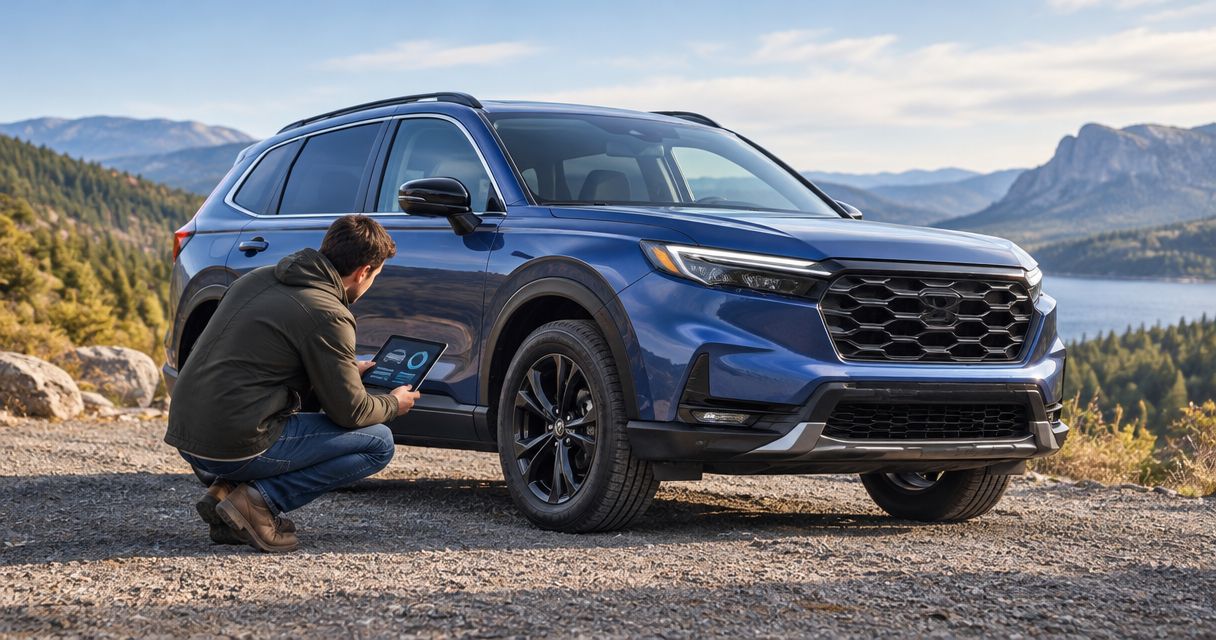
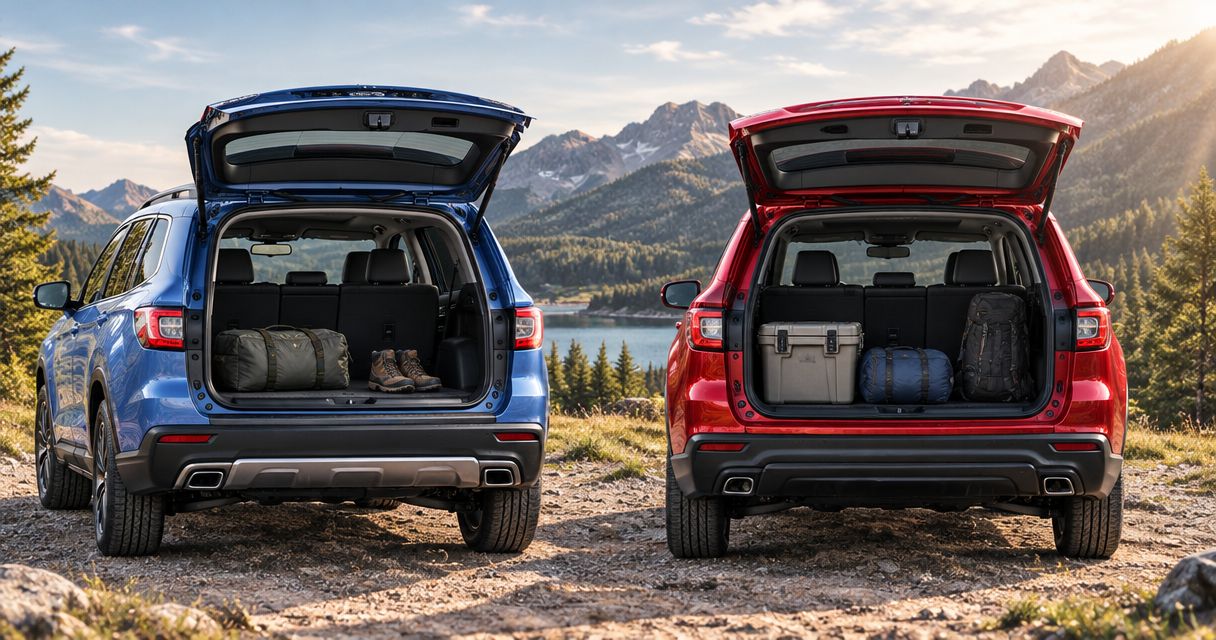
The 2026 Honda Pilot fits road-trip groups that need a third row; the 2026 Honda Passport fits travelers who want a two-row SUV with substantial luggage space behind the rear seats. For the Honda Pilot vs Passport cargo comparison, count the seats your passengers will occupy before comparing the largest cargo figures.
- Honda Pilot vs Passport: choose the Pilot for third-row seating and the Passport for two-row road trips.
- The 2026 Honda Passport provides 44.0 cubic feet behind its second row.
- The 2026 Honda Pilot provides 18.6 cubic feet with its third row raised.
- Check passenger load, luggage fit, tire pressure, and maintenance before a loaded road trip.
Why this matters
A cargo figure only helps when it matches the seating arrangement you will actually use. Folding every rear seat creates room for equipment, but it removes places for passengers.
Bristol Honda is located in Bristol and serves drivers from Johnson City and Kingsport. Bristol Honda is a practical starting point for Tri-Cities SUV shoppers comparing passenger space, luggage fit, and maintenance needs. Bring your passenger count and your largest travel items into the shopping conversation.
For drivers in Bristol, Johnson City, and Kingsport, the useful comparison is the same: can everyone ride comfortably while the luggage stays secured? Start there rather than choosing an SUV solely because its maximum cargo number is larger.
Honda Pilot vs Passport: which has more cargo space for road trips?
The 2026 Honda Passport has more cargo space behind its last passenger row than the Honda Pilot has behind its third row. Fold the Pilot's third row, however, and the Pilot provides more published cargo volume behind the second row than the Passport does.
| Road-trip configuration | 2026 Honda Pilot | 2026 Honda Passport |
|---|---|---|
| Passenger seating layout | Three rows; up to eight occupants | Two rows; five occupants |
| Behind the third row | 18.6 cubic feet | No third row |
| Behind the second row | 48.5 cubic feet, third row folded | 44.0 cubic feet |
| Behind the first row | 87.0 cubic feet, rear rows folded | 83.8 cubic feet, rear row folded |
| Best for | Groups needing third-row seating or flexible seating arrangements | Travelers who do not need a third row |
| Main advantage | Additional passenger positions and more cargo volume with rear seats folded | Substantial luggage room without folding a passenger row |
| Main limitation | Using the third row reduces luggage room | No third-row seating for additional passengers |
Source: American Honda's published 2026 Honda Pilot and Honda Passport specifications. Figures shown are the standard cargo-volume figures, not alternative maximum-volume measurements that include additional space. Confirm the specifications and seating configuration for the exact vehicle you consider.
Compare occupied-seat configurations, not just maximum cargo capacity. A Pilot carrying passengers in its third row and a Passport carrying passengers in its second row leave very different amounts of room for bags.
Why the measuring method matters
Honda publishes cargo measurements for different seating positions, and some specification listings also include maximum measurements. Keep the measurement basis consistent when comparing vehicles.
Cargo volume also does not describe the shape of the opening. A tall suitcase, wide stroller, or rigid cooler still needs to clear the liftgate opening and fit around the seats. Test your awkward items rather than assuming a cubic-foot figure settles the question.
Honda Pilot: 18.6 cubic feet with the third row raised
Best for: road-trip groups that need more than five seating positions. The Honda Pilot's third row gives you passenger flexibility that the Passport does not offer. The trade-off is 18.6 cubic feet of cargo space behind that row.
Pack for the actual group. If you need the third row for passengers, do not plan around the Pilot's 48.5-cubic-foot figure behind the second row; that figure requires folding the third row.
During a vehicle visit, set the second-row seats for the people who will use them, then check third-row comfort. After that, load representative luggage. A generous-looking cargo area means little if achieving it requires an uncomfortable passenger arrangement.
The Pilot also suits trips where your needs change. You can use the third row for passengers on one outing and fold it for luggage on another. Its limitation is straightforward: you cannot use the same space for passengers and cargo at the same time.
Honda Passport: 44.0 cubic feet behind the second row
Best for: travelers who need no more than five seats and want luggage space behind the passenger compartment. The Honda Passport provides 44.0 cubic feet behind its second row without requiring you to fold that row.
That layout makes the comparison easier for a household that never needs a third row. Set the front and rear seats for comfort, then assess the remaining luggage area.
The Passport's limitation is its fixed two-row passenger layout. Folding seats increases cargo room, but it does not create additional passenger positions. If your trip includes more people than its seating accommodates, cargo capacity cannot solve that problem.
Check the loaded cargo area with the liftgate closed. Leave access to essential supplies, and keep loose items secured. A packing arrangement that works in the driveway should also work when you stop for fuel or need to retrieve something during the trip.
Why usable road-trip cargo space varies
Published volume stays the same for a stated configuration, but the space you can use depends on your passengers and belongings.
- Occupied rows: The Pilot's third row changes how much luggage space remains behind passengers. The Passport has no third row to raise or fold.
- Seat position: Adjust passenger seats before testing luggage so the cargo arrangement does not depend on sacrificing needed legroom.
- Item shape: Rigid coolers and hard-sided suitcases fit differently from soft bags, even when their contents are similar.
- Access needs: Medication, rainwear, and roadside supplies need an accessible place rather than the bottom of a tightly packed load.
- Weight limits: Cargo volume measures space, not how much weight the vehicle can safely carry. Passengers and luggage count toward the vehicle's load limit.
A physical fit check addresses these differences better than a photo of an empty cargo area. Bring the items that are hardest to rearrange, such as a stroller or mobility aid, before smaller bags that can move around them.
How should you test luggage before choosing an SUV?
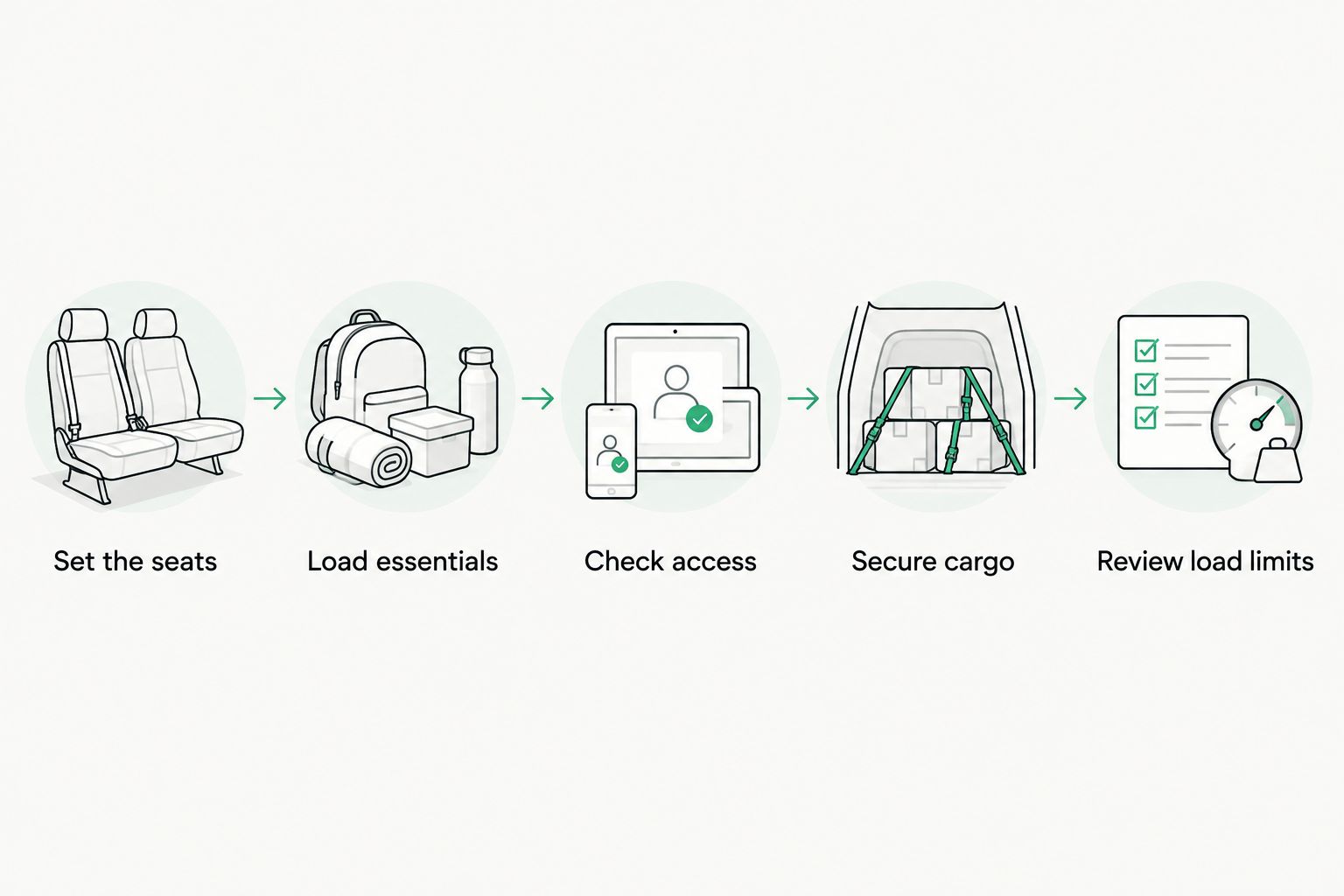
Use a repeatable loading check for both vehicles. Comparing one SUV with its seats adjusted for comfort and another with its seats pushed forward produces a misleading result.
- Set the seats. Adjust the front and rear seating positions for your regular travelers. Install child restraints according to the vehicle and restraint instructions when checking family fit.
- Load essentials. Start with the largest rigid items and anything that must travel on every trip. Check that the liftgate closes without pressing against the load.
- Check access. Make sure passengers can enter and exit normally. Keep items you will need during stops within practical reach.
- Secure cargo. Use the vehicle's designated cargo provisions according to the owner's manual. Do not treat a tightly packed stack as a substitute for securing loose objects.
- Review load limits. Check the vehicle's occupant-and-cargo information before adding passengers, luggage, or accessories.
Repeat the check with any seat you expect to fold during the trip. Then decide whether that arrangement is realistic for every leg of the journey, including the return trip with anything you bring home.
What should you service before a loaded road trip?
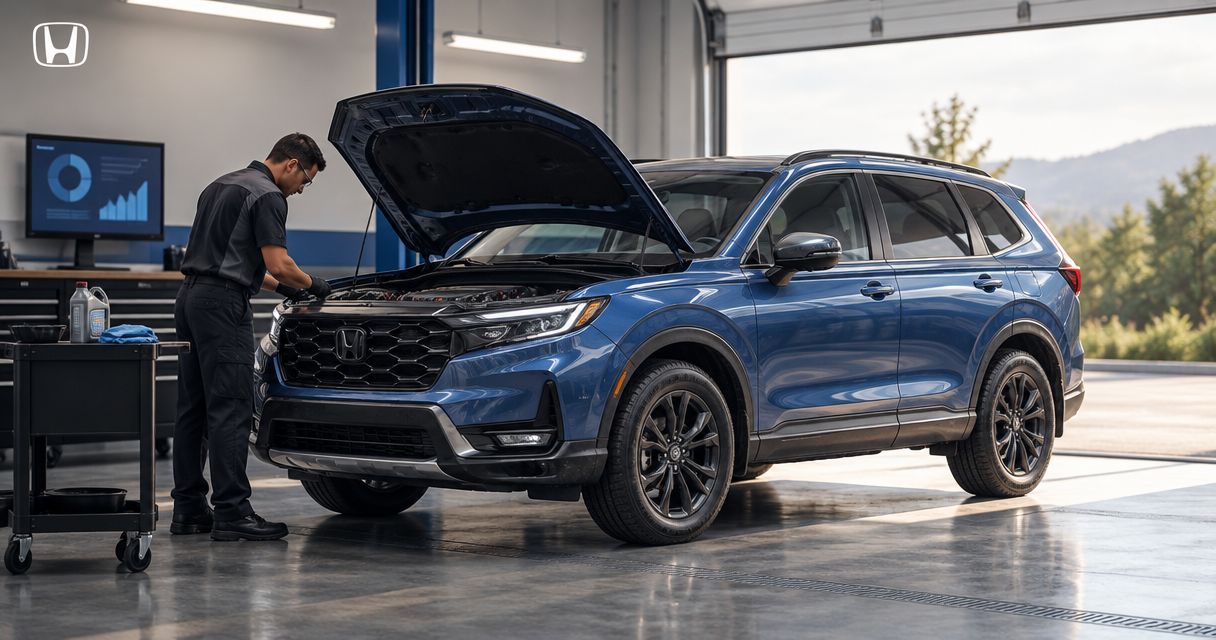
A successful 2026 road trip depends on vehicle condition as well as cargo room. Once you know the seating and luggage arrangement, review maintenance needs before departure rather than treating service as a separate decision.
For a vehicle you already own, start with its maintenance history, dashboard messages, and owner's manual. For a vehicle you are considering buying, ask for available maintenance records and an explanation of any inspection findings.
Tires and loading
Check cold tire pressures against the vehicle's tire information label, not the maximum pressure printed on the tire sidewall. Follow the owner's manual for any instructions related to loading.
Inspect tread and look for cuts, bulges, or other visible damage. An SUV that has enough space for your luggage still needs tires in suitable condition for the trip.
Also learn what tire-repair or spare-tire equipment the exact vehicle carries. Confirm that the equipment is present and that you understand the instructions before packing over its access point.
Brakes and warning messages
Arrange an inspection for brake noise, vibration, pulling, or a change in pedal feel before departure. Do not assume a symptom will disappear once the vehicle reaches highway speed.
Resolve warning messages according to the owner's manual and service guidance. Cargo planning cannot compensate for an unresolved mechanical concern, especially when passengers and luggage will be aboard.
Fluids and scheduled maintenance
Review the Maintenance Minder information and the applicable maintenance instructions. Ask which work is due for the exact vehicle rather than applying a generic mileage interval to every Honda SUV.
Check fluid levels only as directed by the owner's manual. If the vehicle needs repeated top-ups or shows signs of a leak, have the cause assessed rather than simply adding fluid before each trip.
Visibility and everyday equipment
Check exterior lights, windshield wipers, and washer operation. Clean the glass and set the mirrors after loading so you understand what you can see from the driver's seat.
A cargo stack can obstruct the rear window. Keep the load stable, preserve useful visibility, and avoid loose objects that can move into the passenger area during braking.
How should you choose cargo accessories and replacement parts?
Choose accessories for the exact vehicle, not just the model name. A cargo liner, roof attachment, or replacement component needs the correct fit and installation requirements.
For roof-carried luggage, review the vehicle's roof-load instructions alongside the rack and carrier instructions. Account for the equipment itself as well as its contents; do not assume a large roof box means the vehicle can carry an equally large weight.
Roof equipment also changes clearance. Consider garages, covered entrances, and other overhead obstacles before deciding to leave a carrier installed throughout your trip.
For replacement parts, provide the vehicle identification number and explain the concern you are addressing. At Bristol Honda, ask the service and parts team to confirm fitment and the work appropriate for your vehicle. Request details about technician certification when arranging Honda service.
Is the Pilot better if you need both passengers and luggage?
The Honda Pilot provides 18.6 cubic feet behind its third row, so it accommodates third-row passengers and luggage together, but within that smaller cargo area. Choose it for the additional seating only after checking that your bags fit with those seats occupied.
If your group does not need a third row, compare the Pilot with that row folded against the Passport with its second row in use. That is the relevant passenger-and-luggage comparison for a two-row travel arrangement.
Does folding the seats make the Passport as useful as the Pilot?
The Honda Passport provides 83.8 cubic feet behind its first row, compared with 87.0 cubic feet in the Pilot. Both configurations require folding rear passenger seats, so neither figure represents luggage space for a full passenger group.
For large-item transport, inspect the load floor, opening, and securing points in person. For family travel, return to the space behind the seats your passengers actually need.
Can a roof carrier replace the need for a larger cargo area?
A roof carrier adds a separate storage location, but it does not increase the vehicle's permitted load. Confirm vehicle compatibility, attachment requirements, and all applicable weight limits before choosing one.
It also creates another loading task and a clearance concern. Test whether your luggage fits inside first; add roof equipment only when it meets a specific need.
FAQ
Which has more cargo space, the Honda Pilot or Passport?
The 2026 Honda Pilot provides 87.0 cubic feet behind the first row, compared with 83.8 cubic feet in the Passport. With passenger rows in use, compare the exact seating configuration: the Passport has 44.0 cubic feet behind its second row, while the Pilot has 18.6 cubic feet behind its third row.
Is the Honda Passport a three-row SUV?
The 2026 Honda Passport is a two-row SUV with five seats. Choose the Honda Pilot when your passenger needs require a third row.
Can I fit family luggage in a Pilot with the third row up?
The 2026 Honda Pilot has 18.6 cubic feet behind its raised third row. Test your actual luggage with the passenger seats adjusted before deciding whether that space fits your family.
Should I compare maximum cargo capacity for a family road trip?
Compare cargo capacity behind the seats your family will occupy, not just maximum capacity. Maximum figures require folding rear passenger seats and therefore do not describe the space available with those seats occupied.
What tire pressure should I use before loading my Honda SUV?
Use the cold tire pressure specified on your vehicle's tire information label and follow any applicable loading instructions in the owner's manual. Do not use the tire sidewall's maximum pressure as the vehicle's recommended setting.
What should I ask about service before a road trip?
Ask about maintenance due for your exact vehicle and have existing symptoms or warning messages assessed. Include tires, brakes, visibility equipment, and any concerns revealed by the maintenance history.
Does Bristol Honda have locations in Johnson City and Kingsport?
Bristol Honda is located in Bristol, Tennessee, and serves drivers from Johnson City and Kingsport. Plan your vehicle-shopping or service visit to the Bristol dealership.
One last thing
Pack the return trip before you buy the outbound-trip solution. Leave room for items you expect to bring home, and keep roadside equipment accessible after the luggage is loaded.
For your 2026 Honda Pilot vs Passport decision, bring the awkward item first. A stroller, cooler, or mobility aid reveals fit problems faster than a collection of small bags, and the same loading check helps you choose useful accessories without buying equipment you do not need.