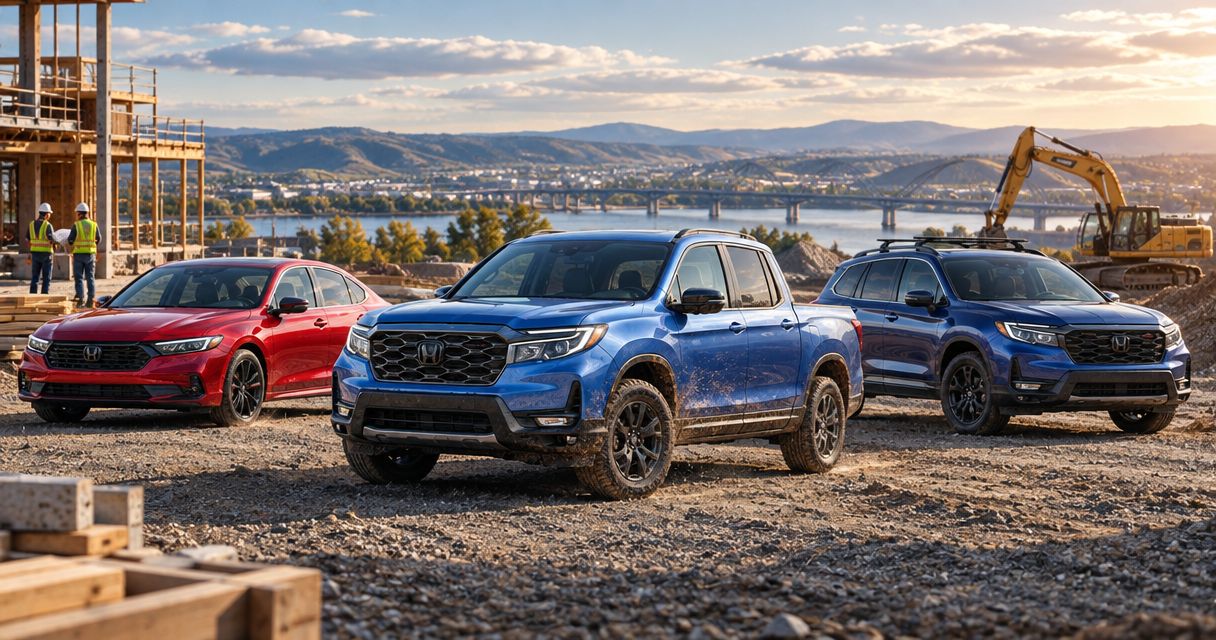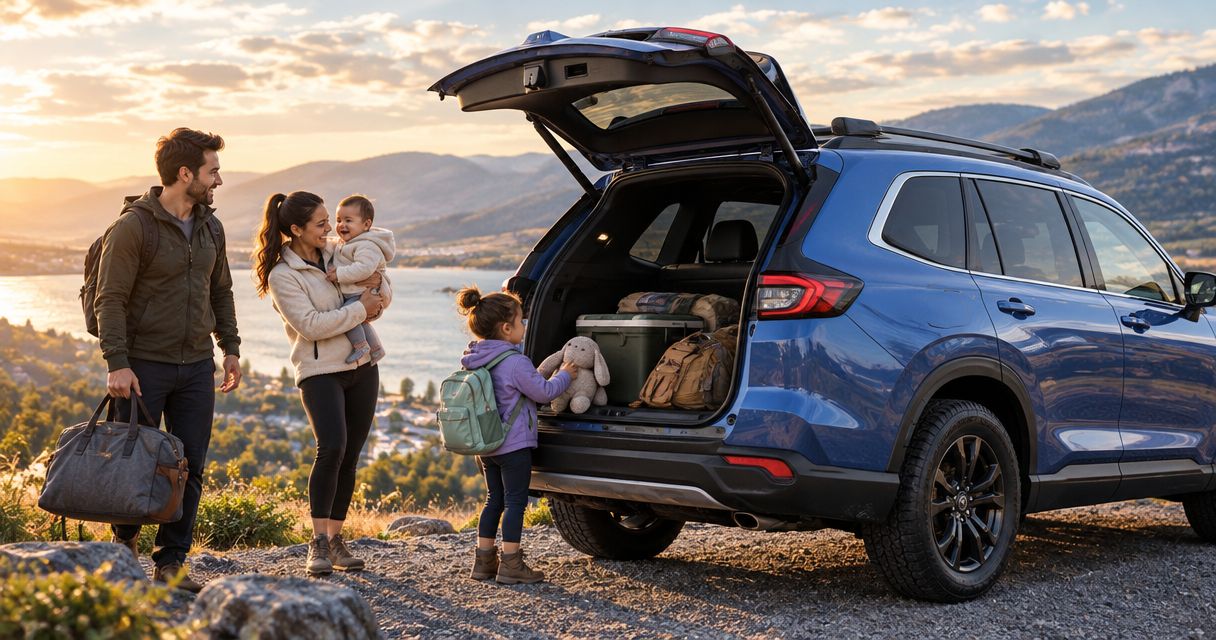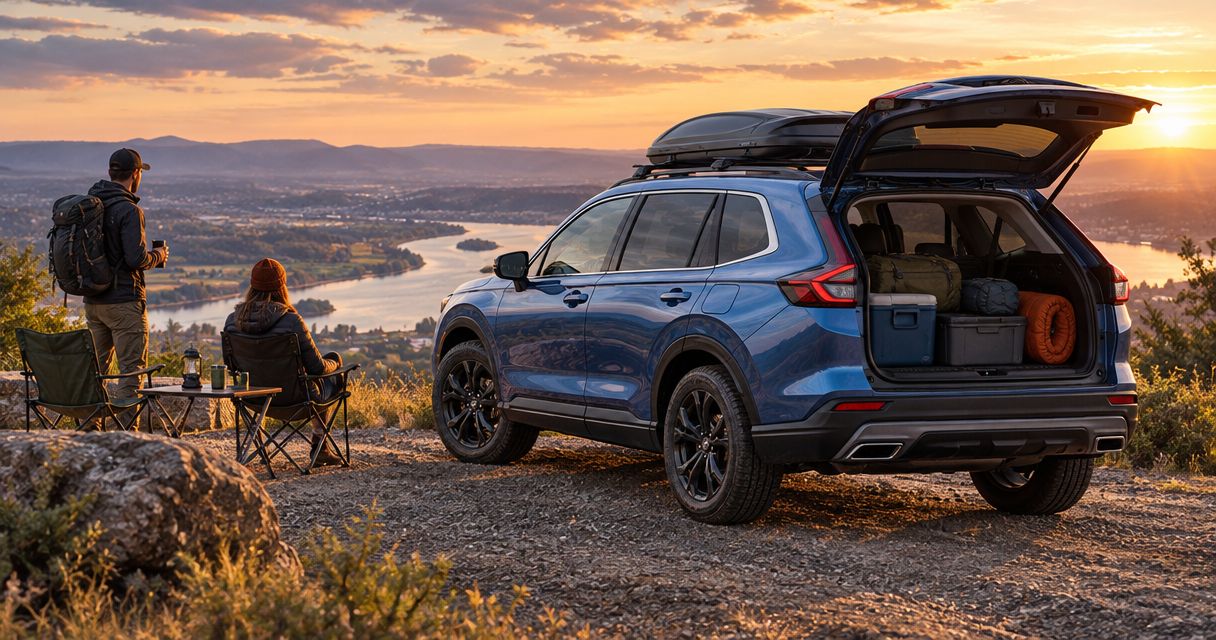

Best overall: Honda CR-V. Best for a sedan commute: Honda Accord. Best for compact parking: Honda Civic. Best for family seating: Honda Pilot. Best for a two-row SUV shortlist: Honda Passport. These are the best Honda models for first responders to compare in 2026 when you need a personal vehicle for workdays and life outside your shift.
- The best Honda models for first responders start with the CR-V for mixed commuting and everyday cargo needs.
- Choose the Honda Accord for a sedan commute or the Honda Civic when compact parking matters most.
- Compare the Honda Pilot for family seating and the Honda Passport when you want a two-row SUV.
- Bristol Honda serves Bristol, Johnson City, and Kingsport with vehicle shopping, financing, service, and parts.
Why this matters
Your personal vehicle has a different job from an emergency-response vehicle. It needs to fit your commute, work bag, passengers, and maintenance schedule—not suggest that a particular model improves your ability to respond to emergencies.
The Honda CR-V is the best starting point for first responders who want one vehicle for commuting, work bags, and everyday errands. Start your comparison with Bristol Honda, located in Bristol, Tennessee, and serving drivers from Johnson City and Kingsport. Choose around your actual routine rather than your job title alone.
What makes the best Honda models for first responders?
Use these criteria for your 2026 shortlist before choosing a body style or trim:
- Seat comfort: Check your driving position in the footwear and clothing you normally wear to work. Adjust the seat and steering wheel before judging comfort.
- Cargo access: Load your actual work bag. Check the opening, loading height, and whether you can keep belongings out of view.
- Passenger needs: Plan around the people you regularly carry, not just the driver's seat. Test child-seat fit when relevant.
- Parking fit: Judge visibility and maneuvering in spaces similar to those you use at work and home.
- Service planning: Review maintenance records, upcoming work, tire condition, and parts fit before making a decision.
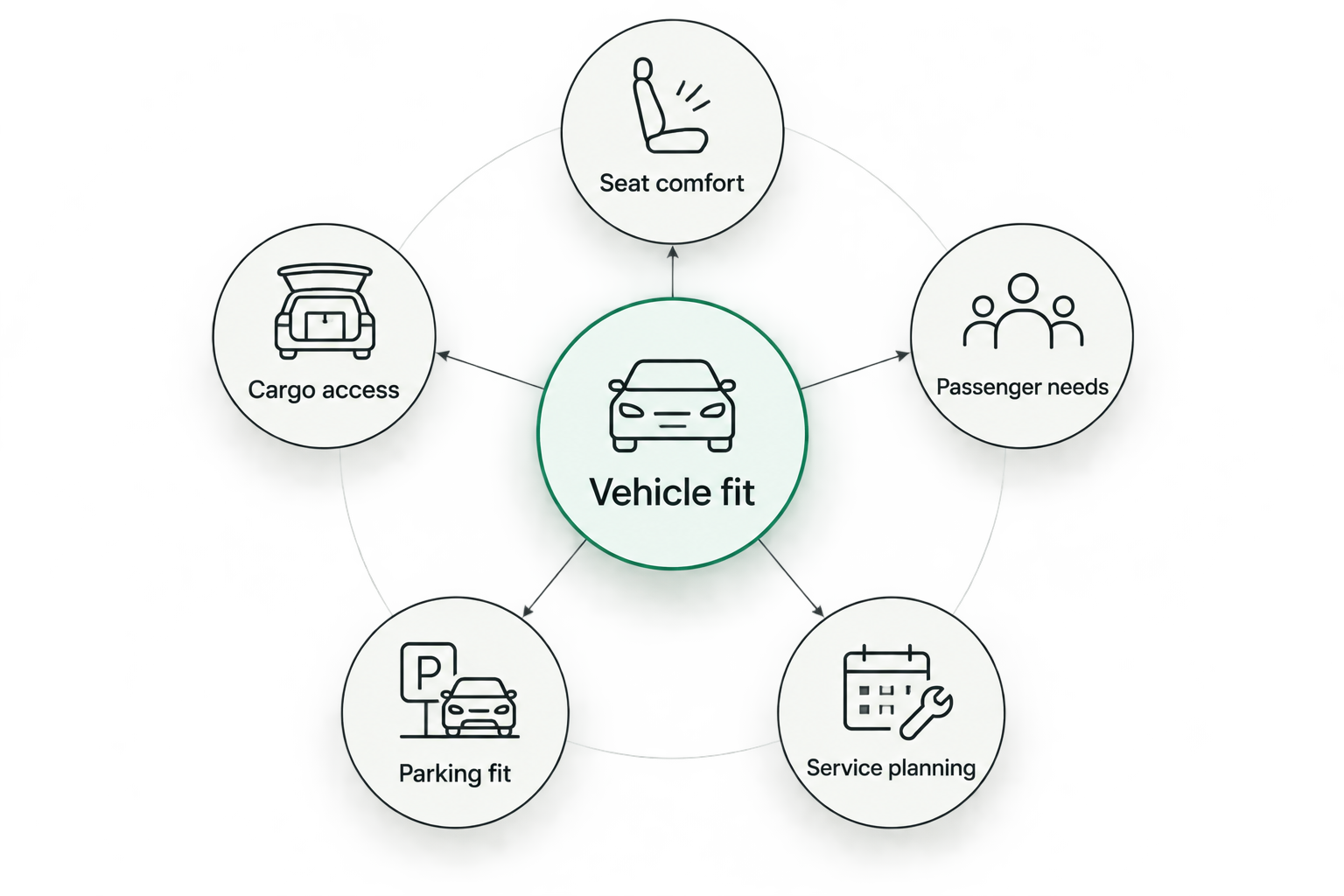
These criteria apply equally whether you commute from Bristol, Johnson City, or Kingsport. Your route and shift pattern matter more than the city name on your address.
Honda first-responder picks at a glance
This 2026 ranking assigns each model a different role. It is a shopping guide for personal transportation, not a recommendation for emergency-duty use.
| Rank and model | Best for | Standout reason to compare | Key limitation |
|---|---|---|---|
| 1. Honda CR-V | Mixed commuting and everyday cargo | SUV cargo access for bags and errands | Not the choice when you need a third row |
| 2. Honda Accord | Drivers who prefer a sedan | Separate trunk and sedan driving position | Trunk opening is less flexible than an SUV liftgate |
| 3. Honda Civic | Compact parking needs | Smaller-car footprint | Less room to accommodate growing passenger and cargo needs |
| 4. Honda Pilot | Family seating needs | Three-row SUV layout | More vehicle to maneuver than a compact car |
| 5. Honda Passport | Drivers choosing a two-row SUV | SUV utility without a third-row seating layout | Not a substitute for the Pilot when extra seating matters |
1. Honda CR-V: best Honda for mixed daily use
The Honda CR-V belongs first on the list when you want an SUV for commuting, a work bag, groceries, and regular passenger trips. Its cargo-area layout gives you a different loading arrangement from a sedan trunk. Test that advantage with your belongings rather than judging from an empty vehicle.
Honda CR-V pros:
- SUV cargo access suits bags and everyday errands.
- The body style supports a mixed passenger-and-cargo routine.
- It provides a useful starting point before considering larger SUVs.
Honda CR-V cons:
- It does not answer a need for third-row seating.
- An open cargo area needs deliberate organization and secure storage.
For service planning, inspect the cargo floor, seat-folding operation, and liftgate on the specific vehicle. Review tire condition and maintenance history with the same care you give interior features; convenience does not replace mechanical condition.
Best for: First responders whose personal vehicle handles several everyday jobs.
Verdict: Buy the Honda CR-V if your loaded-bag and passenger checks confirm the fit.
2. Honda Accord: best Honda for a sedan commute
The Honda Accord is the sedan to compare when you prefer a separate trunk and do not need an SUV loading area. A trunk keeps everyday belongings separate from the passenger cabin. Check the opening carefully if your work bag is bulky or unusually shaped.
Honda Accord pros:
- Separate trunk storage suits bags you want outside the cabin.
- Sedan seating provides a clear alternative to an SUV driving position.
- It belongs on the shortlist when commuting takes priority over bulky cargo.
Honda Accord cons:
- The trunk opening limits the shape of items you can load.
- A lower seating position will not suit every driver's entry-and-exit needs.
Compare the Honda Civic vs. Accord for your daily drive before settling on sedan size. During inspection, check the trunk seal, seat adjustments, and service records rather than assuming a clean cabin proves careful maintenance.
Best for: First responders who want a sedan for their regular commute.
Verdict: Buy the Honda Accord if its seating position and trunk fit your workday.
3. Honda Civic: best Honda for compact parking needs
The Honda Civic earns its place when your parking space matters as much as your driving route. Start here if you want a smaller car rather than an SUV. Check the exact body style because a sedan trunk and a hatchback cargo opening create different loading experiences.
Honda Civic pros:
- A compact-car footprint deserves consideration for constrained parking.
- Sedan and hatchback layouts give you different cargo-access choices.
- It keeps the shortlist focused when you do not need a larger vehicle.
Honda Civic cons:
- Passenger and cargo needs can push you toward a larger model.
- Body-style differences make an exact-vehicle inspection essential.
On a used Civic, check tire wear, wheel condition, and maintenance documentation. Do not let an easy parking maneuver distract you from a warning light or an unexplained service-history gap.
Best for: First responders prioritizing compact parking and personal commuting.
Verdict: Buy the Honda Civic if your normal passengers and bags fit without compromise.
4. Honda Pilot: best Honda for family seating
The Honda Pilot is the model to compare when your off-duty passenger needs call for a three-row SUV. Test access to every row you expect to use. Then load your bags with those seats occupied or upright; seating flexibility and usable cargo space must work together.
Honda Pilot pros:
- A third row addresses passenger needs the other picks do not.
- Folding-seat arrangements support different family routines.
- It gives larger households a distinct option within this shortlist.
Honda Pilot cons:
- Its larger footprint deserves a realistic parking test.
- Using the rear seats changes the cargo space behind them.
Inspect rear-seat latches, seat belts, ventilation controls, and cargo-area trim. For a pre-owned Pilot, request a maintenance review that addresses the exact vehicle rather than relying on a general model reputation.
Best for: First responders whose family needs extra passenger seating.
Verdict: Buy the Honda Pilot when you will use its seating—not simply because it is larger.
5. Honda Passport: best Honda for a two-row SUV shortlist
The Honda Passport belongs on your list when you want an SUV but do not need the Pilot's third-row layout. Compare it directly with the CR-V using the same bags and passengers. Choose based on the space you can use, your seating comfort, and the way the exact vehicle drives.
Honda Passport pros:
- A two-row layout keeps the comparison focused on passengers and cargo.
- SUV cargo access suits larger everyday items.
- It gives shoppers an alternative to choosing a three-row vehicle by default.
Honda Passport cons:
- It does not solve a need for additional seating rows.
- SUV size alone does not establish better winter braking or tire condition.
During the service review, check tires, brakes, fluid-service records, and any proposed accessories. Confirm fit using the exact model year and trim before ordering cargo protection or other parts.
Best for: First responders deliberately choosing a two-row SUV over a three-row layout.
Verdict: Buy the Honda Passport if its usable space gives you a clear reason to choose it over the CR-V.
Make maintenance part of your 2026 buying decision
Bristol Honda offers vehicle sales, financing, service, and parts. Treat those as connected decisions: the right vehicle also needs a maintenance plan you can manage around work.
Review records before choosing features
Ask for available maintenance records and read them alongside the vehicle-history information. A history report and service receipts answer different questions; neither replaces an inspection of the vehicle you intend to buy.
For a certified pre-owned Honda, review the actual certification documents and applicable coverage terms. Confirm what the paperwork covers instead of treating the word “certified” as an answer to every maintenance question.
Check tires and brakes together
Have tire condition, wear patterns, and brake condition assessed before making a used-vehicle decision. Ask for an explanation of any recommended work and whether it addresses wear, damage, or a diagnosed symptom.
Do not choose an SUV solely because you associate it with difficult weather. Tires, road conditions, speed, and braking decisions still matter. A vehicle's body style does not establish its stopping ability on a slippery road.
Describe battery symptoms clearly
Report slow cranking, starting difficulties, or warning messages accurately. Ask for testing rather than requesting a battery replacement based only on age or appearance.
If you compare hybrid and non-hybrid vehicles, ask which battery and electrical system a diagnosis concerns. Keep the explanation tied to the exact vehicle; a general battery discussion is not a diagnosis.
Order parts for the exact vehicle
Provide the vehicle identification number when asking about parts or accessories. Model name alone does not establish fit across different years, trims, and configurations.
Ask the service team to explain applicable Honda maintenance guidance and the work recommended for your vehicle. For certified Honda service, confirm the technician qualifications and repair scope before authorizing work rather than assuming those details from a model badge.
Run a practical test drive before your next shift
For your 2026 comparison, bring the same items to each appointment and follow the same sequence. Keep the test focused on personal transportation, not emergency-response driving.
- Spend 10 minutes checking the seat. Adjust the seat, mirrors, and steering wheel while parked. Buckle up in your normal work clothing and check for pressure points or awkward reach.
- Bring 2 bags if that reflects your routine. Load your work bag and a second everyday bag. Secure loose items and check whether the storage arrangement blocks passenger space.
- Request a 20-minute drive if the appointment permits. Include ordinary turns, parking, and roads representative of your commute. Use legal speeds and evaluate comfort, visibility, and control familiarity.
- Finish with a service conversation. Review warning lights, maintenance records, inspection findings, and any work recommended before delivery. Ask how to arrange future maintenance around your schedule.
Use the same process whether you travel from Bristol, Johnson City, or Kingsport. Consistency makes differences between vehicles easier to recognize.
How the Honda models are ranked
This ranking prioritizes seat comfort, cargo access, passenger needs, parking fit, and service planning. It assigns distinct use cases rather than claiming that one Honda wins every category.
The CR-V leads as the general-purpose starting point. The Accord, Civic, Pilot, and Passport become better choices when your sedan preference, parking constraints, seating needs, or two-row SUV requirements take priority.
Which Honda should you choose in 2026?
Start with the Honda CR-V, then change direction only for a clear need. Choose the Accord for a sedan commute, Civic for compact parking, Pilot for family seating, or Passport for a deliberate two-row SUV comparison.
Contact Bristol Honda to discuss your shortlist and service questions before visiting. Explain your passenger needs, bag sizes, commute, and existing vehicle concerns so the conversation covers both buying and ownership.
Plan your Honda visit
Discuss your vehicle shortlist and service questions before traveling from Bristol, Johnson City, or Kingsport.
FAQ
What's the best Honda model for a first responder's personal vehicle?
The Honda CR-V is the best starting point for mixed commuting, work bags, and everyday errands. Choose a different model when compact parking, a sedan layout, or additional passenger seating matters more.
Is the Honda Accord or CR-V better after a long shift?
Choose between the Honda Accord and CR-V by testing seat comfort, entry, visibility, and cargo access. Neither body style establishes personal comfort; adjust the exact vehicle and drive it before deciding.
Should a first responder choose the Honda Pilot or Passport?
Choose the Honda Pilot when you need its third-row seating, and compare the Honda Passport when you want a two-row SUV. Test cargo space with the seats arranged as you will actually use them.
Is the Honda Civic practical for carrying a work bag?
The Honda Civic is practical when your actual work bag fits securely without compromising passenger space. Check the exact body style because sedan and hatchback loading arrangements differ.
What should I check before buying a used Honda for commuting?
Check maintenance records, tires, brakes, starting behavior, warning lights, and inspection findings. Evaluate the exact vehicle rather than treating a model's reputation or a clean interior as proof of condition.
Where is Bristol Honda located for Tri-Cities shoppers?
Bristol Honda is located in Bristol, Tennessee, and serves drivers from Johnson City and Kingsport. Discuss shopping and service needs before traveling so you can prepare for the visit.
Does buying an SUV mean I can skip winter tire checks?
No, choosing an SUV does not replace checking tire condition and suitability for your driving conditions. Include tires and brakes in your inspection regardless of the Honda model you choose.
One last thing
Bring your work bag before choosing your trim. A feature list cannot tell you whether the bag fits through the opening, stays secure, or leaves enough room for passengers. That simple check connects the shopping decision to the vehicle you will actually use.