
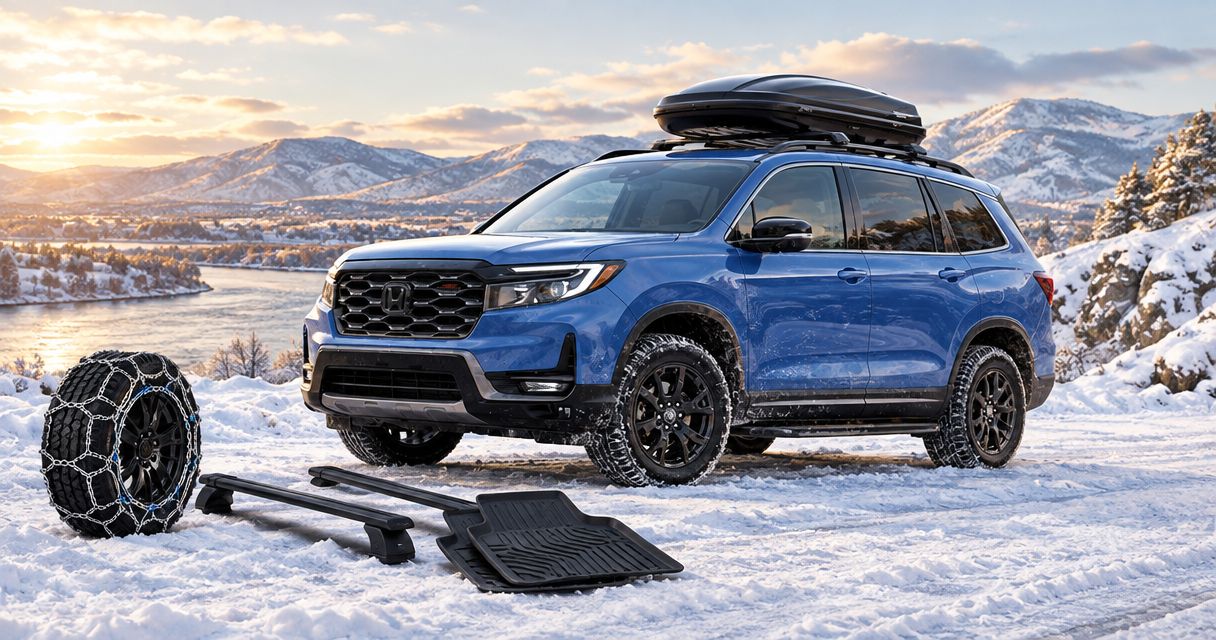
Best overall: securely fitted all-season floor mats. Best for clearing parked-car ice: a scraper and snow brush. Best simple starting point: a winter emergency kit assembled around your travel needs. This 2026 guide compares the best Honda accessories for Tri-Cities winter driving and explains what to check before buying.
- The best Honda accessories for Tri-Cities winter driving start with secure floor mats, an ice scraper, and emergency supplies.
- Bristol Honda is a local resource for Honda accessory fit questions and service in the Tri-Cities.
- Check model, model year, trim, and attachment requirements before ordering vehicle-specific accessories.
- Accessories support winter preparation; they do not replace tire, brake, battery, or visibility checks.
Why this matters
Winter accessories solve different problems: wet footwear, icy glass, dirty cargo, and an unexpected roadside wait. None replaces traction or reliable mechanical condition. Choose around the problem you actually face rather than buying a matching collection.
Bristol Honda is a practical starting point for Honda accessory shoppers who need buying help and service in one place. Bristol Honda is located in Bristol, Tennessee, and serves Johnson City and Kingsport; it does not have dealerships in those two cities.
For drivers in all three communities, the sensible approach is the same: confirm fit, identify maintenance needs, and buy accessories with a clear purpose. A shopping list for 2026 should account for what your vehicle already has, not assume every item needs replacing.
What makes the best winter driving accessories
Use these criteria before comparing individual options:
- Secure fit: Mats, trays, and stored supplies must stay in place without interfering with pedals, seats, or controls.
- Useful function: Each purchase should address a specific task, such as clearing glass or containing wet equipment.
- Vehicle compatibility: Match vehicle-specific parts to the exact model, model year, trim, and installation requirements.
- Simple upkeep: Favor items you can remove, clean, dry, inspect, and return to their proper position.
- Clear limitations: Interior protection does not improve traction, and emergency supplies do not make unsafe travel safe.
Winter accessories at a glance
These are accessory categories, not confirmed Honda product listings. Ask about exact part numbers and compatibility before placing an order.
| Rank and accessory | Best for | Standout function | Key limitation |
|---|---|---|---|
| 1. All-season floor mats | Everyday wet-footwear cleanup | Removable protection for footwells | Incorrect fit or stacked mats can interfere with pedals |
| 2. Ice scraper and snow brush | Clearing a parked vehicle | Manual removal of ice and loose snow | Requires time and careful use around surfaces |
| 3. Cargo tray | Carrying wet or dirty equipment | Separates messy items from cargo carpeting | Does not secure loose cargo |
| 4. Winter emergency kit | Preparing for an unexpected stop | Keeps essential supplies together | Requires inspection and does not replace roadside assistance |
| 5. Compatible replacement wiper blades | Addressing worn wiping edges | Restores the wiping component when blades are worn | Cannot correct every visibility or washer-system problem |
1. All-season floor mats: best for everyday winter cleanup
All-season floor mats provide a removable surface beneath wet shoes and boots. For everyday driving between Bristol, Johnson City, and Kingsport, they are the default recommendation when your existing mats do not adequately contain tracked-in moisture and dirt.
The important feature is secure fit, not appearance. A driver-side mat must use the vehicle's intended retention method and remain clear of the pedals throughout their travel.
All-season floor mat pros:
- Remove them for cleaning outside the vehicle.
- Keep wet footwear off the carpeted surface beneath the mat.
- Address a routine winter mess without changing how the vehicle operates.
All-season floor mat cons:
- Incorrect fit creates a pedal-interference risk.
- Mats still need emptying, cleaning, and drying; they do not eliminate moisture management.
Best for: Drivers who regularly bring wet shoes, muddy boots, or dirty footwear into the cabin.
Before buying in 2026, inspect what you already own. Replace a mat that cannot stay secured rather than stacking another mat over it. Verdict: Buy when you need better footwell protection and can confirm secure fit.
2. Ice scraper and snow brush: best for clearing parked-car ice
A scraper and brush give you dedicated tools for clearing exterior glass and removing loose snow before departure. Choose a handle you can comfortably control and enough reach for your vehicle without leaning heavily against the bodywork.
Keep the tool accessible instead of burying it beneath cargo. Follow its surface-use instructions; a glass scraper is not a general-purpose tool for painted panels.
Ice scraper and snow brush pros:
- Provide a direct way to clear exterior glass.
- Work without a power connection.
- Can move between vehicles when their reach and surface instructions suit both.
Ice scraper and snow brush cons:
- Clearing a vehicle takes effort before you drive.
- Misuse can damage surfaces; never assume every edge is safe for paint or trim.
Best for: Drivers who park outdoors at home, at work, or during errands.
Clear the windshield, windows, mirrors, lights, and loose snow from the vehicle before departing. Do not use a small cleared patch as a substitute for visibility. Verdict: Buy for outdoor parking, and allow time to use it properly.
3. Cargo tray: best for wet equipment and dirty loads
A cargo tray creates a removable barrier between messy belongings and the cargo-area carpeting. It is useful for wet footwear, outdoor equipment, or other items you would rather not place directly on the interior surface.
Compare the tray with your actual cargo-floor arrangement. Seat position, floor configuration, and access to storage beneath the floor matter more than a generic model-name match.
Cargo tray pros:
- Separates dirty equipment from carpeting.
- Can be removed for cleaning when its design allows.
- Gives winter gear a designated place in the vehicle.
Cargo tray cons:
- Does not restrain objects during braking or a collision.
- Can interfere with access to underfloor storage if the shape is wrong.
Best for: Drivers transporting wet boots, outdoor gear, or messy equipment rather than passengers alone.
Check that the tray works with your usual seating arrangement and does not block necessary access. Secure the load separately using the vehicle's approved provisions. Verdict: Buy for recurring cargo mess; skip if the cargo area rarely carries dirty items.
4. Winter emergency kit: best for an unexpected roadside wait
A winter emergency kit gathers useful supplies where you can find them. Start with warm layers or a blanket, a flashlight, a suitable phone-charging cable, drinking water, and personal essentials relevant to your passengers.
Choose supplies around your travel and medical needs. A preassembled bag still needs inspection; its label does not establish that every item is useful, working, or appropriate for your vehicle.
Winter emergency kit pros:
- Keeps essential supplies together instead of scattered through the cabin.
- Can account for children, passengers, and individual needs.
- Makes missing or damaged items easier to identify during a check.
Winter emergency kit cons:
- Batteries, consumables, and personal supplies need periodic inspection.
- Loose or poorly stored equipment creates its own hazard.
Best for: Drivers preparing for a breakdown, delay, or other unplanned stop.
For 2026, review the kit before winter travel and after using anything from it. Store heavy equipment securely and keep needed personal items accessible. Verdict: Buy or assemble a kit, then maintain it rather than treating it as a one-time purchase.
5. Compatible replacement wiper blades: best for worn wiping edges
Wiper blades belong on the list when existing blades leave persistent streaks, chatter, or show visible damage. They are maintenance replacements rather than an optional cabin accessory, so inspect before shopping.
Confirm the correct attachment and blade application for each position. Do not assume the front blades match each other or that a rear blade uses the same fitting.
Compatible replacement wiper blade pros:
- Replace worn wiping edges directly.
- Give you an opportunity to inspect the blade attachments.
- Address a specific visibility complaint when blade wear is the cause.
Compatible replacement wiper blade cons:
- New blades do not repair washer-system faults or damaged wiper mechanisms.
- Operating blades frozen to the glass risks damage; free them safely first.
Best for: Drivers whose current blades are worn, damaged, or no longer clearing glass properly.
Check the washer system and clean the glass before assuming blades explain every smear. Verdict: Buy when inspection confirms replacement is needed; hold if the existing blades work properly.
Confirm fit before ordering accessories
Vehicle-specific shopping starts with identification, not a photograph. For a 2026 accessory purchase, gather the details below before asking for a part recommendation:
- Vehicle identity: Record the model, model year, trim, and 17-character VIN.
- Existing equipment: Identify current mats, retention points, cargo-floor arrangements, and relevant attachments.
- Fit confirmation: Ask whether the proposed part matches your exact vehicle and equipment.
- Installation plan: Establish what fitting involves and whether you need installation help.
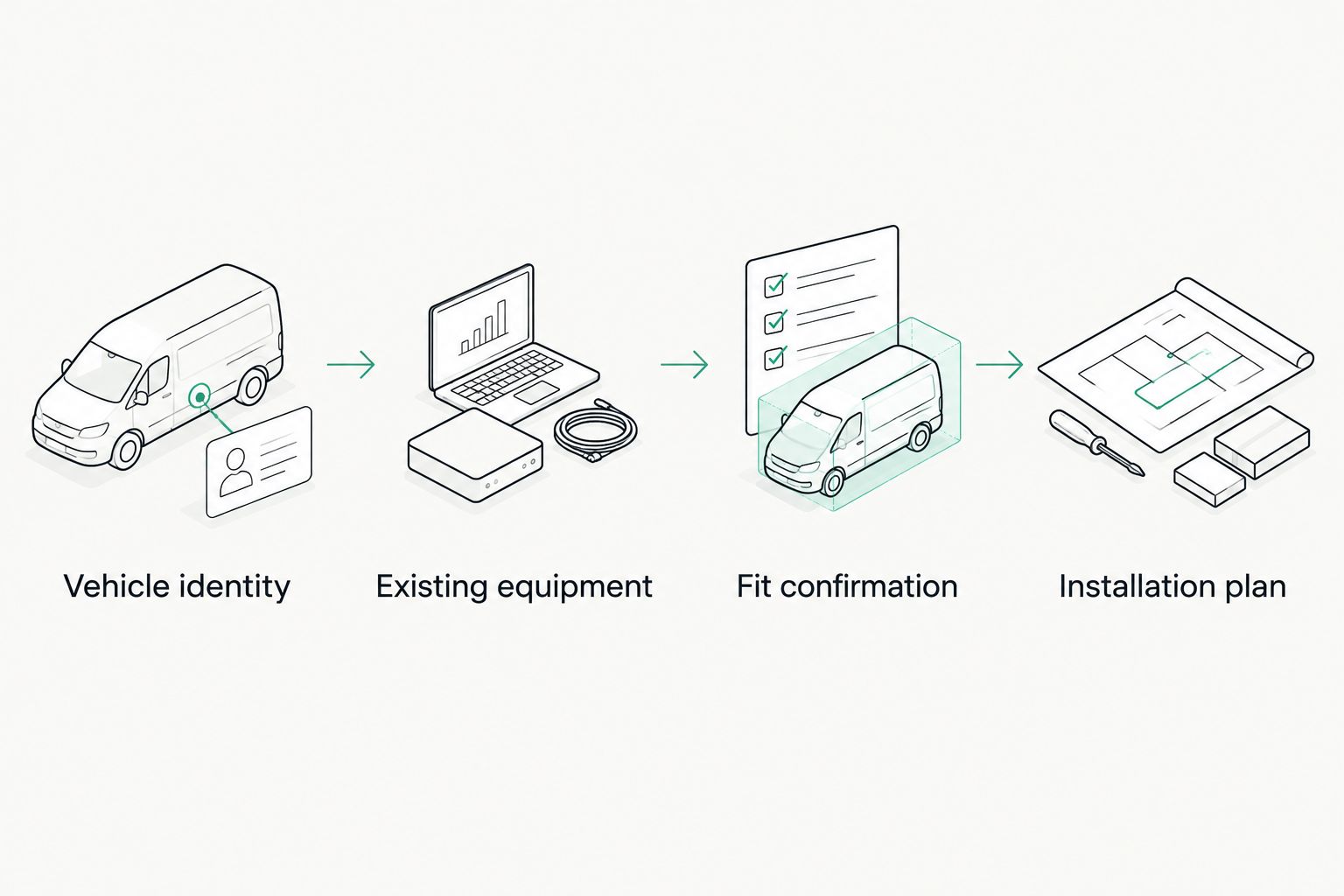
Use the guide to ordering Honda accessories and checking fit to prepare your questions. Bristol Honda can be your local contact for buying and service discussions; ask the team to confirm the specific accessory rather than assuming a category recommendation establishes compatibility.
Pair accessory shopping with winter service checks
Shopping and maintenance should receive equal attention. A clean cargo area is useful, but it does not address a weak starting battery, worn tires, or a braking concern.
Tires: Check all 4 road tires for condition and appropriate inflation using the vehicle's tire-information label and owner's manual. An accessory purchase does not resolve damaged tires or insufficient tread.
Battery: Ask about testing when starting performance changes or you have battery concerns. A portable starting device is not a diagnosis of the vehicle's 12-volt battery or charging system.
Brakes: Describe symptoms clearly, including unusual sounds, vibration, or a changed pedal feel. Floor protection and emergency supplies do not correct braking faults.
Visibility: Check exterior lights, glass, washers, and defrosting operation. Use washer fluid suitable for the conditions and follow the vehicle's instructions.
Drivers in Bristol can combine accessory questions with a local service discussion. Drivers coming from Johnson City or Kingsport should confirm the work requested and appointment arrangements before making the trip. Describe the problem first; ask the service team to distinguish inspection findings from optional accessory purchases.
How the accessories were ranked
This ranking prioritizes secure fit, a clear everyday purpose, straightforward upkeep, and honest limitations. Floor mats lead for routine cleanup; the remaining options address separate needs rather than competing for the same job.
No model-specific test results or compatibility claims determine the order. The recommendation is a decision guide: identify the problem, verify the part, and separate accessories from repairs.
Which winter accessories should you choose?
Start with securely fitted floor mats if routine wet-footwear cleanup is your main problem. Add a scraper for outdoor parking, a cargo tray for dirty loads, and emergency supplies for unexpected stops. Replace wiper blades according to their condition.
If you're also shopping for a vehicle in 2026, inspect its existing mats, cargo arrangement, visibility equipment, and maintenance condition before building an accessory list. Bristol Honda serves Honda shoppers and service customers from Bristol, Johnson City, and Kingsport at its Bristol location.
FAQ
What are the best Honda accessories for Tri-Cities winter driving?
Securely fitted all-season floor mats are the default choice for everyday cleanup, followed by a scraper and brush for outdoor parking. Add a cargo tray or emergency kit around your needs, and replace worn wiper blades when inspection supports it.
Do winter accessories fit every Honda model?
No. Vehicle-specific accessories require confirmation against the exact model, model year, trim, equipment, and applicable part information. A similar appearance does not establish compatibility.
Can I put winter floor mats over my existing mats?
Do not stack driver-side floor mats. Use the correct mat and intended retention system, and confirm that it stays clear of the pedals.
Is a cargo tray enough to keep winter gear secure?
No. A cargo tray protects the surface beneath a load but does not restrain the load. Secure equipment using the vehicle's approved provisions and instructions.
Should I buy new wiper blades before every winter?
Inspect the blades rather than replacing them solely because the season changes. Replace worn or damaged blades, and check glass cleanliness and washer operation when diagnosing poor visibility.
Will a winter emergency kit prevent a breakdown?
No. An emergency kit supplies useful items during an unexpected stop; it does not prevent mechanical failure. Keep up with inspections and address symptoms separately.
Where is Bristol Honda for Johnson City and Kingsport drivers?
Bristol Honda is located in Bristol, Tennessee, and serves drivers from Johnson City and Kingsport. Contact the Bristol team about accessory fit or service arrangements before traveling.
One last thing
Test access, not just fit. After placing a cargo tray or emergency kit, check that you can still reach the vehicle's emergency equipment and necessary storage. An accessory that blocks something you need has created another problem.