Johnson City commuter Honda brake service is inspection and maintenance of your Honda’s braking system with the aim of keeping your daily drive safe and dependable. For drivers in Johnson City, Bristol and Kingsport, the priority is identifying symptoms before planning another commute—not replacing parts based on noise alone.
- Searching honda brake service johnson city tn? Bristol Honda is in Bristol and serves Johnson City and Kingsport.
- A changed brake pedal, reduced stopping ability or grinding needs prompt attention—not another commute to confirm the problem.
- Request inspection findings before approving brake pads, rotors or other repairs.
- When shopping for a used Honda, review brake records and arrange an inspection before deciding.
Why brake service matters for Johnson City commuters
A brake concern affects more than your next appointment. It changes whether you should drive, how you arrange transportation and what information you need before approving work. The same decisions matter whether your trip starts in Johnson City, Bristol or Kingsport.
For your 2026 maintenance plan, separate routine inspection from an active braking problem. A calendar reminder helps with maintenance; it does not make a soft pedal or reduced stopping ability safe to ignore.
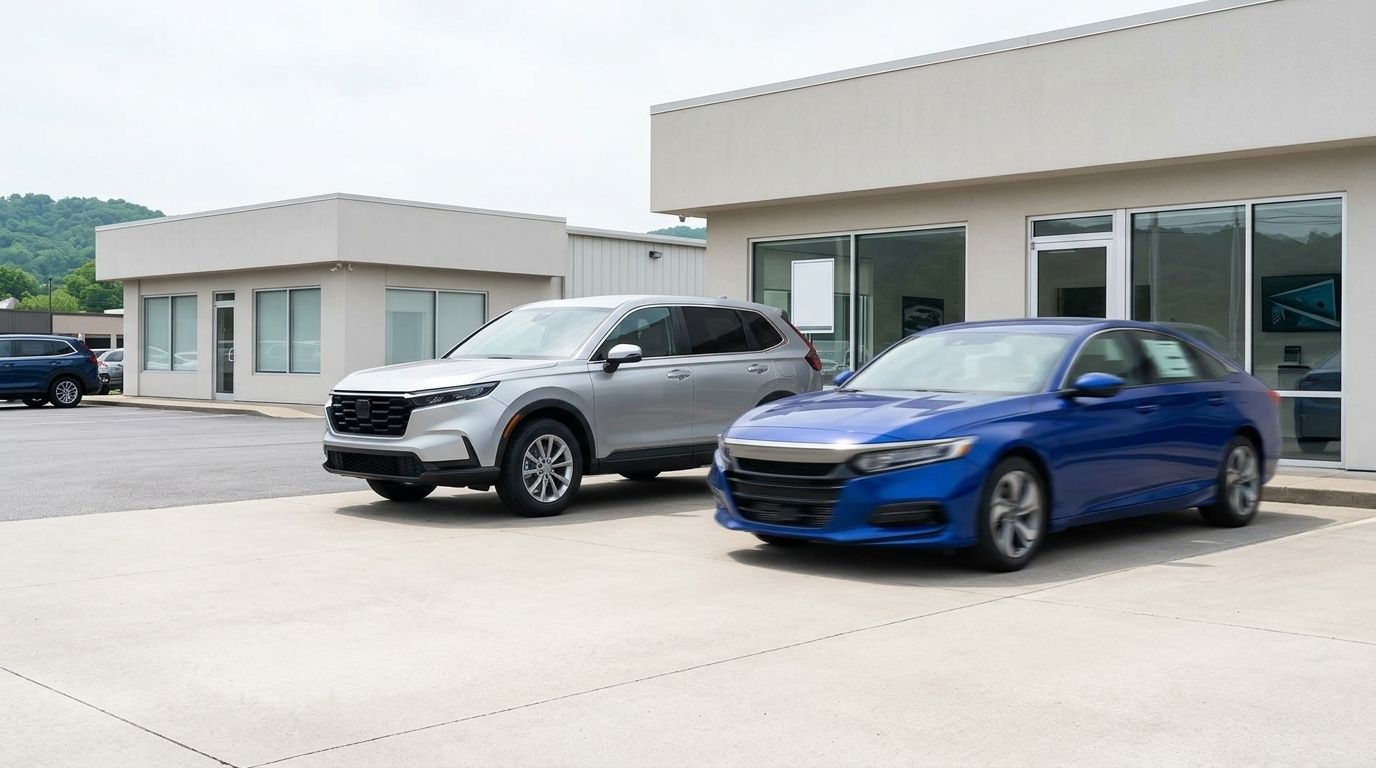
Bristol Honda is located in Bristol and serves Johnson City and Kingsport with vehicle sales, financing, service and parts. Bristol Honda is best for Tri-Cities drivers seeking Honda vehicle shopping and service at a Bristol dealership. Account for that location when arranging an inspection, particularly if the vehicle should not be driven.
How to plan brake service and your next vehicle decision
1. Decide whether the vehicle should be driven
Start with what the vehicle is doing, not the appointment calendar. Reduced stopping ability, a pedal that sinks unexpectedly or a suspected brake-fluid leak calls for stopping somewhere safe and arranging professional help. Do not drive to a dealership simply because it is your preferred service location.
A warning light also needs context. Check the owner’s manual for the specific indicator and its instructions; different brake-related indicators do not all mean the same thing. If braking feels abnormal, treat the symptom as urgent rather than waiting for another light.
This applies equally to a Honda you own and one you are considering buying. A seller’s reassurance is not a substitute for checking an active safety concern.
- Stop safely if braking performance changes.
- Follow the owner’s manual instructions for warning indicators.
- Arrange towing when the vehicle cannot be driven safely.
- Postpone a purchase test drive until an active concern is evaluated.
2. Record the symptom without trying to diagnose it
Use a simple written note before contacting a service team. Describe what you hear or feel, where it seems to come from and when it happens. A squeal, grinding sound, vibration and soft pedal are different observations—not interchangeable diagnoses.
Keep 2 records: a symptom note and your available service history. Record observations from normal driving only; do not repeat hard stops or recreate a dangerous situation to collect evidence. A passenger can help document a sound without distracting the driver.
For a vehicle you are shopping, ask the seller to describe any known concern in writing. Compare that description with the inspection findings rather than assuming the seller has identified the cause correctly.
- Symptom type: note noise, vibration, pedal feel or warning indicators.
- Driving conditions: describe when the concern first appeared.
- Service history: gather brake invoices and recent repair records.
- Note whether the concern is new, intermittent or getting worse.
3. Request an inspection before authorizing replacement
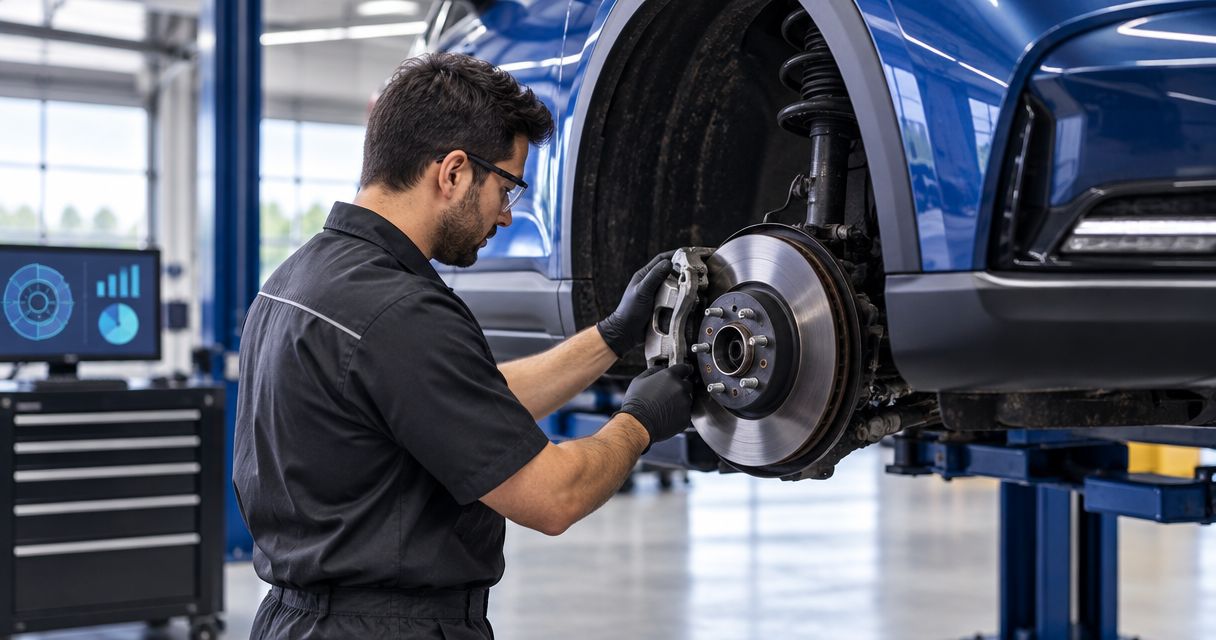
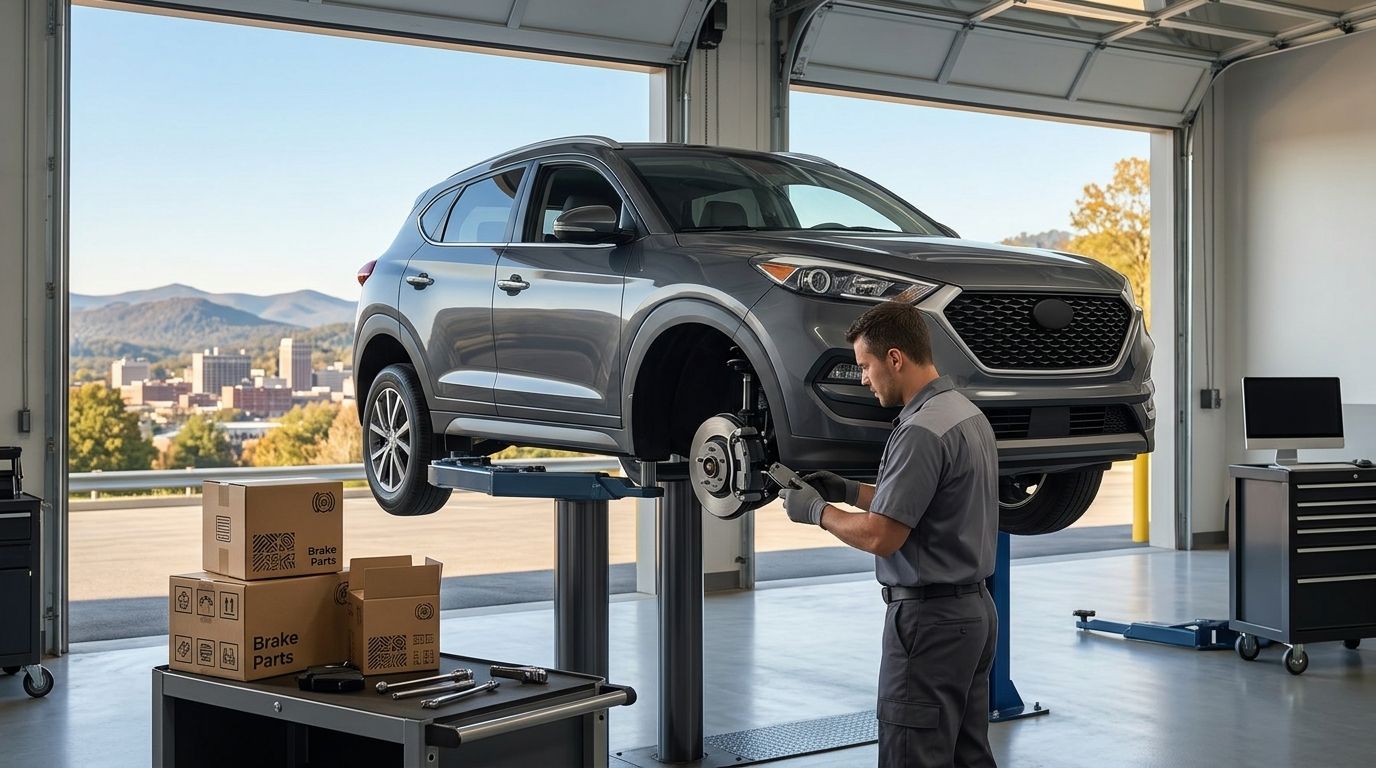
You can prepare your notes and review the owner’s manual yourself. Diagnosing brake wear, hydraulic concerns or vibration requires an appropriate inspection. Ask the service team to explain what was checked and which findings support the recommendation.
Bristol Honda offers service and parts alongside vehicle sales. When contacting the team, describe the symptoms first and ask how to arrange an evaluation. The guide to what happens during a Honda brake service appointment provides a useful starting point for that conversation.
Request 1 written estimate that separates the identified concern from additional maintenance recommendations. Keep the inspection date with your 2026 records, especially if you are deciding whether to retain the vehicle or evaluate a replacement.
- Ask for pad and rotor findings, including measurements where relevant.
- Ask whether leaks, calipers or other components need attention.
- Separate immediate safety work from other recommendations.
- Confirm what diagnostic work you are authorizing.
- Keep the findings and estimate together.
4. Compare parts and repair scope, not just the headline
Begin with the written recommendation. A pad replacement, rotor replacement and repair involving a caliper describe different work. Comparing estimates without matching their scope leaves you comparing different jobs.
Ask 3 questions: what failed, what evidence supports replacement and what work is included? Have the advisor identify the proposed parts and explain their suitability for your exact vehicle. Do not assume that every Honda of the same model name uses identical brake components.
If certified Honda service is part of your selection criteria, ask the provider to explain the qualifications supporting that description. Likewise, request written warranty terms rather than assuming all parts and labor receive the same coverage. A clear answer is more useful than a broad promise.
- Match recommendations to your vehicle identification number.
- Confirm which axle or components the estimate covers.
- Ask whether the proposed parts are genuine Honda or aftermarket.
- Request the reason for resurfacing or replacing rotors.
- Read the written parts and labor terms before approving work.
5. Review brake records before shopping for a replacement
If an inspection leads you to consider another vehicle, start with your current Honda’s condition and your actual driving needs. A brake repair recommendation alone does not establish that replacing the car is the better decision.
For a used Honda, request maintenance invoices and any available inspection documentation. A vehicle-history report and a repair invoice answer different questions: the report is not a physical assessment of current brake condition. Missing paperwork also does not prove that maintenance was never performed.
During a 2026 search, compare the date and mileage on each record with the vehicle you are considering. Ask what has been inspected since the most recent documented repair. New pads on an old invoice do not establish today’s condition.
- Record the vehicle identification number and displayed mileage.
- Review dated invoices for pads, rotors, fluid and related repairs.
- Ask for current inspection findings, not just historical paperwork.
- Distinguish a seller’s description from documented work.
- Arrange an independent inspection when you need another assessment.
6. Plan a safe, useful test drive
Before a test drive, review any disclosed brake concerns and confirm that the vehicle is suitable to drive. Adjust the seat and mirrors while parked, and ask about controls you do not recognize. Do not begin by testing unfamiliar features in traffic.
During an ordinary, lawful drive, pay attention to pedal response, braking noise and vibration. Leave space and avoid deliberate emergency stops. A test drive helps you identify questions; it does not replace an inspection or establish the remaining life of brake components.
Give your daily needs equal attention. Whether you drive from Johnson City, Bristol or Kingsport, assess visibility, seating comfort and how easily you can operate the controls. A vehicle that suits the commute still needs documented mechanical condition.
- Review known concerns before moving the vehicle.
- Use a route and conditions appropriate for a normal test drive.
- Note braking behavior without performing aggressive maneuvers.
- Check driving position and visibility while safely parked.
- Resolve unexplained symptoms before committing to the purchase.
7. Compare repairing your Honda with changing vehicles
Put the repair recommendation beside a realistic replacement plan. Your current vehicle’s known history, other maintenance needs and suitability for your commute belong in the same decision. So do the replacement vehicle’s condition and the written purchase terms.
For a 2026 comparison, keep sales figures separate from repair findings. A monthly payment does not describe the whole purchase, and an inspection estimate does not describe the whole condition of a vehicle. Review the complete agreement before deciding.
Bristol Honda sells new and certified pre-owned Honda vehicles and offers financing. Ask the team about those purchase paths without assuming that financing is approved or that a particular vehicle matches your requirements. Certification questions should be answered through the vehicle’s actual program documents.
- List current repairs and other identified maintenance separately.
- Compare replacement vehicles against your commuting needs.
- Request the complete written purchase terms.
- Review certification coverage and exclusions when applicable.
- Keep trade-in discussions separate from the brake diagnosis.
8. Coordinate the visit and preserve the paperwork
Before traveling, confirm whether the visit is for diagnosis, approved repair work or vehicle shopping. These are different tasks. Ask what the team needs from you and discuss transportation rather than assuming the vehicle will be ready at a particular time.
Drivers from Johnson City and Kingsport should plan for a visit to Bristol, not a dealership in their own city. Bristol drivers should make the same arrangements if their vehicle needs to remain for evaluation. Location does not change whether a car is safe to drive.
After service or purchase, keep the paperwork in a usable record. Review the owner’s manual and any maintenance reminders for the specific vehicle instead of carrying a schedule over from a different Honda.
- Bring your symptom notes and relevant service records.
- Confirm the scope of work before authorizing changes.
- Ask how additional findings will be communicated.
- Arrange transportation appropriate to the vehicle’s condition.
- Save the final invoice or purchase inspection with your records.
Compare your next step
Choose an option based on the question you need answered. Preparing at home helps you explain a concern; it does not establish that the brakes are safe. Shopping for another vehicle also does not remove the need to assess its condition.
| Option | Best for | Main benefit | Key limitation |
|---|---|---|---|
| Owner’s manual and symptom notes | Preparing for a service conversation | Organizes observations and vehicle-specific instructions | Cannot diagnose wear or confirm safety |
| Professional brake inspection | Investigating symptoms or uncertain condition | Produces findings to support a repair decision | Inspection and repair are separate authorizations |
| Used-vehicle inspection | Evaluating a purchase | Checks current condition alongside records | Does not predict every future repair |
| Repair your current Honda | Keeping a vehicle that still meets your needs | Preserves a vehicle with a history you know | Other identified maintenance still matters |
| Compare replacement Hondas | Reassessing commuting and ownership needs | Lets you evaluate a different vehicle against your requirements | Requires a separate condition and purchase review |
Common mistakes Tri-Cities commuters make
Treating a quiet brake as proof of a healthy brake. Noise is only one observation. Do not use the absence of squealing to dismiss a changed pedal, warning indicator or reduced stopping ability.
Booking a drive-in visit despite unsafe symptoms. Wanting a familiar service team does not justify driving a vehicle that cannot stop normally. Arrange safe transportation first, then discuss the inspection.
Comparing repair estimates with different work included. Pads alone and pads with rotor work are not equivalent proposals. Ask each provider to explain the components, findings and work covered before choosing.
Replacing the car without checking the replacement. A repair recommendation can prompt a shopping decision, but the next used vehicle still needs records and an inspection. Do not exchange a documented concern for an unexamined one.
Confusing the service area with the dealership location. Serving Johnson City and Kingsport does not mean the dealership is located in either city. Confirm the Bristol destination and transportation arrangements before your appointment.
FAQ
Where can I arrange Honda brake service if I live in Johnson City, TN?
Bristol Honda offers service in Bristol and serves drivers from Johnson City and Kingsport. Contact the team to discuss your symptoms and arrange an evaluation; do not drive there if braking performance is impaired.
Can I keep commuting if my Honda brakes are grinding?
Grinding needs prompt professional evaluation, not another commute to test the sound. If stopping ability or pedal feel has changed, stop safely and arrange professional help rather than driving to an appointment.
Does every brake squeal mean I need new pads?
No, a squeal alone does not establish that the pads need replacement. An inspection should identify the cause and support any recommendation for pads, rotors or other work.
Should I replace the rotors whenever I replace brake pads?
Rotor work should follow inspection findings and the applicable specifications for the vehicle. Ask for the measurements, condition assessment and reason behind the recommendation rather than assuming replacement is automatic.
What should I ask before approving Honda brake repairs?
Ask what the inspection found, which components need work and what the written estimate includes. Confirm the proposed parts and any written parts and labor terms before authorizing repairs.
Should I repair my Honda or shop for another car?
Compare the identified repairs, other maintenance needs and your vehicle’s suitability with the condition and written terms of a replacement. A brake recommendation alone does not establish that changing vehicles is the better choice.
What brake information should I request when buying a used Honda?
Request dated maintenance invoices, current inspection findings and explanations for any braking symptoms. A vehicle-history report is useful background but does not replace a physical inspection of current condition.
One last thing
A completed repair invoice is also useful shopping paperwork. Keep the symptoms reported, inspection findings and work performed together. That record helps a future buyer distinguish a documented repair from an unsupported statement that the brakes were serviced.
For the rest of 2026, add new service documents to the same file. Whether you keep your Honda or compare another vehicle, a clear history makes the next conversation more productive.