During a Honda brake service appointment, the service team reviews your symptoms, inspects the braking system, and explains recommended work before you authorize repairs. An inspection does not automatically mean replacing pads, rotors, or brake fluid; the next step depends on the findings and your vehicle’s maintenance requirements.
- Honda brake service starts with inspection, not an automatic parts replacement.
- Ask for pad measurements, rotor findings, and the reason behind each repair recommendation.
- Brake fluid service and brake pad replacement address different maintenance needs.
- Bristol Honda serves Honda owners in Bristol, Johnson City, and Kingsport from its Bristol location.
Why this matters
A useful brake appointment should connect your symptoms to specific findings. A squeal, vibration, or change in pedal feel is a starting point—not a complete diagnosis. You need to understand what was inspected, what needs attention, and what happens next.
Bristol Honda is a local option for Honda brake service for drivers in Bristol, Johnson City, and Kingsport. The dealership is located in Bristol; use Bristol Honda to contact the team about your vehicle and arrange your next step.
What happens during a Honda brake service appointment?
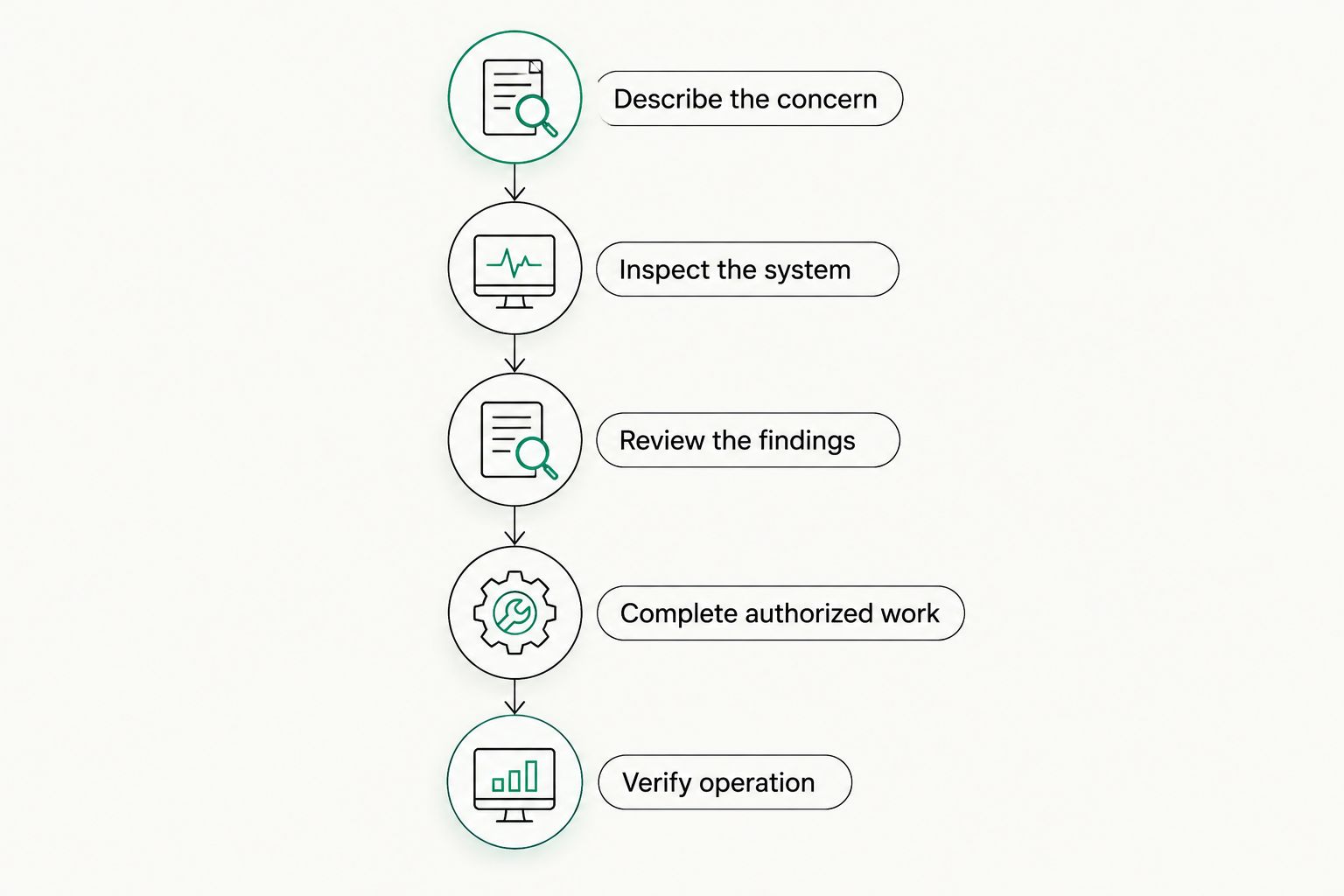
The exact work depends on your concern and the vehicle’s condition. For a Honda brake service appointment in 2026, expect a discussion of the following steps rather than assuming every visit includes the same repairs.
Describe the concern
Tell the service advisor what you hear or feel and when it happens. Explain whether the noise occurs during the first stop, continues throughout the drive, or appears only while braking.
Mention recent brake work, warning lights, fluid leaks, or a change in stopping behavior. If the concern is intermittent, describe the circumstances instead of trying to reproduce an unsafe situation yourself.
Inspect the braking system
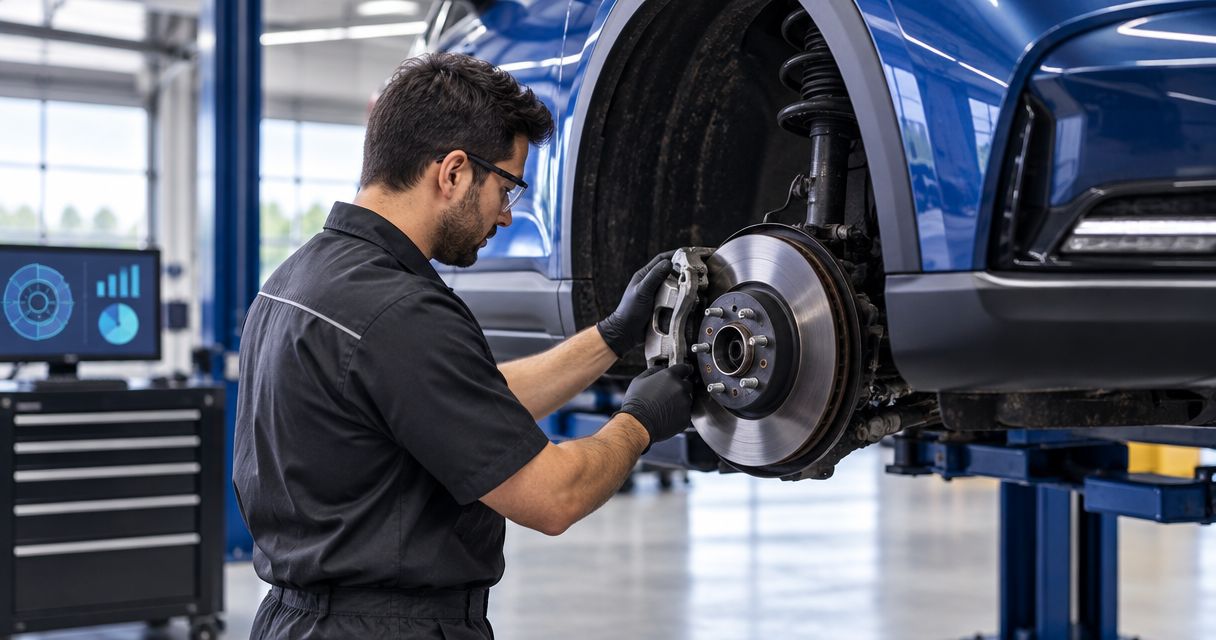
Depending on the vehicle and concern, inspection includes checking friction components, visible hydraulic components, and signs of uneven wear or leakage. Pads and rotors need evaluation together; looking at pad thickness alone does not explain every braking problem.
The technician can also check related hardware and caliper operation where appropriate. Ask whether the inspection covers all wheels and whether any component requires further diagnosis.
Review the findings
The advisor should explain what the inspection found and which work addresses your original concern. Ask for measurements or photographs when available, plus a clear explanation of any additional recommendations.
Approve the scope before repairs begin. Separate work needed to address a diagnosed problem from scheduled maintenance and items that require monitoring.
Complete authorized work
Authorized work might involve friction components, hydraulic repairs, or maintenance specified for your vehicle. These are different jobs, and an appointment described as brake service does not automatically include all of them.
Ask what happens if disassembly reveals another issue. Agree on how the team will contact you before proceeding with additional work.
Verify operation
After repairs, ask what checks were performed to confirm operation and address the original complaint. A road test is appropriate only when the vehicle’s condition and circumstances allow it.
Before leaving, review the completed work and any driving instructions associated with the installed parts. Report a continuing symptom rather than assuming every noise or pedal change is normal after service.
Inspection, replacement, and fluid service are different jobs
When booking in 2026, describe the concern rather than requesting a complete brake replacement without a diagnosis. A maintenance reminder, worn friction material, and a hydraulic problem call for different decisions.
| Service approach | Best for | What it addresses | Limitation |
|---|---|---|---|
| Brake inspection | Understanding symptoms or checking condition | Wear, visible damage, leaks, and the need for further diagnosis | Inspection alone does not repair a fault |
| Pad and rotor work | Addressing confirmed friction-component wear or damage | Components that create braking friction | Does not automatically resolve hydraulic or electronic faults |
| Brake fluid service | Following applicable maintenance requirements | Fluid maintenance within the hydraulic system | Does not restore worn pads or damaged rotors |
| Further diagnosis | Investigating warning lights or an unresolved concern | The cause of a specific system fault | The repair scope follows the diagnosis |
An inspection helps you make an informed decision, but intermittent symptoms sometimes require more investigation. Replacement addresses confirmed component problems, but replacing parts without finding the cause can leave the original complaint unresolved.
Fluid maintenance has a separate purpose. Fresh brake fluid is not a substitute for repairing a leak, and new pads are not a substitute for diagnosing a warning light.
Why Honda brake service varies
A service recommendation should match the vehicle in front of the technician. These factors explain why another owner’s repair list is not a reliable template for yours:
- Vehicle configuration: Brake components and service procedures depend on the model, model year, and equipment.
- Measured wear: Pad thickness, rotor condition, and applicable service limits guide replacement decisions.
- Symptoms: Noise, vibration, pedal changes, and warning lights require different checks.
- Hydraulic condition: Leaks or damaged hoses require attention beyond friction-component replacement.
- Previous work: Earlier repairs, installed parts, and maintenance records help explain the current condition.
- Maintenance requirements: The owner’s manual and applicable maintenance information determine scheduled work.
Ask the advisor which finding supports each recommendation. A useful answer connects a measured condition, observed fault, or maintenance requirement to the proposed work.
What should you bring to a brake appointment?
Bring a description of the concern and any relevant repair records. For your 2026 visit, keep the vehicle’s model year separate from the appointment year so the team can identify the right maintenance information.
Your symptom notes should cover:
- Sound: Describe squealing, scraping, grinding, or clicking without guessing the failed part.
- Timing: Explain whether the concern happens while braking, turning, reversing, or driving without touching the pedal.
- Feel: Note vibration, pulling, increased pedal travel, or an unusually firm pedal.
- Warnings: Record the warning message or indicator as accurately as possible.
- History: Mention recent repairs and whether the concern started afterward.
If you travel from Bristol, Johnson City, or Kingsport, discuss transportation arrangements before the appointment. Confirm the plan with the team rather than assuming you can wait or that transportation is included.
Remove loose items that interfere with access to the driver’s area. If wheel locks are installed, tell the advisor where the key is stored.
What should you ask before approving brake repairs?
Ask what failed, what proves it, and what the proposed repair includes. Those questions keep the conversation focused on your vehicle rather than a general service package.
Useful follow-up questions include:
- What are the pad measurements, and how do they compare with the applicable service limits?
- What did the rotor inspection show?
- Is wear consistent across the axle, or does uneven wear need further investigation?
- Does the recommendation address the symptom I reported?
- Is brake fluid work scheduled maintenance, part of a repair, or both?
- What requires attention now, and what can be monitored safely?
Ask whether the written authorization identifies the components and work included. If the recommendation changes after disassembly, request an updated explanation before approving additional work.
For parts, ask how fitment was confirmed for your vehicle. A familiar model name alone does not establish that a particular brake component is correct.
When should you avoid driving to the appointment?
Do not drive a vehicle that cannot stop normally or has a suspected serious brake fault. A pedal that sinks unexpectedly, a substantial loss of braking, or visible fluid leakage calls for immediate attention and a safe transportation plan.
If braking changes while you are driving, move out of traffic and stop safely as conditions allow. Arrange professional help rather than continuing a trip to see whether the problem clears.
A warning light also needs context. Check the owner’s manual for the exact indicator and instructions; do not assume every brake-related light means worn pads.
For an urgent concern in 2026, describe the symptoms when contacting the service team. An appointment booking is not confirmation that the vehicle is safe to drive.
How does brake condition affect a used-Honda purchase?
Brake condition belongs in your shopping decision as well as your maintenance plan. When comparing a used Honda, review the service history and ask what the vehicle’s inspection established about the brakes.
A quiet test drive does not replace an inspection. Likewise, an invoice showing prior pad replacement does not establish the current condition of every brake component.
Keep these shopping checks separate:
- Records: Review what work was performed, when it happened, and which components were involved.
- Condition: Ask for current inspection findings instead of relying only on the vehicle’s age or mileage.
- Driving behavior: Report noise, pulling, vibration, or unusual pedal feel during an authorized test drive.
- Next maintenance: Understand any documented follow-up before deciding whether the vehicle fits your needs.
A pre-purchase inspection can help you understand condition, but it does not predict every future repair. Do not treat a sales description or certification label as a replacement for reading the vehicle-specific documentation.
Bristol Honda sells new and certified pre-owned Honda vehicles and provides service and parts support. Whether you are shopping or maintaining a vehicle, ask the team for the records and findings relevant to that particular Honda.
FAQ
Does Honda brake service always include new brake pads?
Honda brake service does not always include new brake pads. Inspection findings and applicable service limits determine whether replacement is recommended; confirm the authorized scope before work begins.
Will the technician replace my rotors with the pads?
Rotor replacement depends on rotor condition and applicable service requirements, not simply on pad replacement. Ask what measurements or damage support the recommendation and whether other permitted service options apply.
Is brake fluid service the same as a brake repair?
Brake fluid service and brake repair are not the same job. Fluid maintenance does not correct worn friction components or replace the need to repair a hydraulic leak.
How long will my Honda brake appointment take?
Appointment length depends on the inspection findings and authorized work. Confirm the expected schedule with the advisor and ask how the team will communicate if the scope changes.
Can I drive my Honda if the brakes are grinding?
Do not assume a Honda with grinding brakes is safe to drive. Contact a service professional promptly, and arrange transportation rather than driving if braking is impaired or a serious fault is suspected.
What should I ask about Honda brake service in 2026?
For Honda brake service in 2026, ask for inspection findings, applicable service limits, and a written explanation of the recommended work. Your vehicle’s model year and configuration—not the appointment year—determine the relevant procedures.
Should I check brake records before buying a used Honda?
Check brake service records before buying a used Honda, but also ask about current condition. Previous repairs show maintenance history; they do not establish how the brakes perform today.
Does Bristol Honda serve drivers from Johnson City and Kingsport?
Bristol Honda is located in Bristol, Tennessee, and serves drivers from Johnson City and Kingsport. Contact the Bristol dealership to discuss vehicle sales, service, or parts needs.
One last thing
Keep the inspection findings, not just the repair receipt. Measurements and notes give your next service conversation a useful starting point, whether you keep the Honda or later discuss its maintenance history with a buyer.
Before leaving, confirm what was completed, what remains under observation, and which symptoms should prompt another call. That is more useful than treating brake service as a box checked until the next visit.