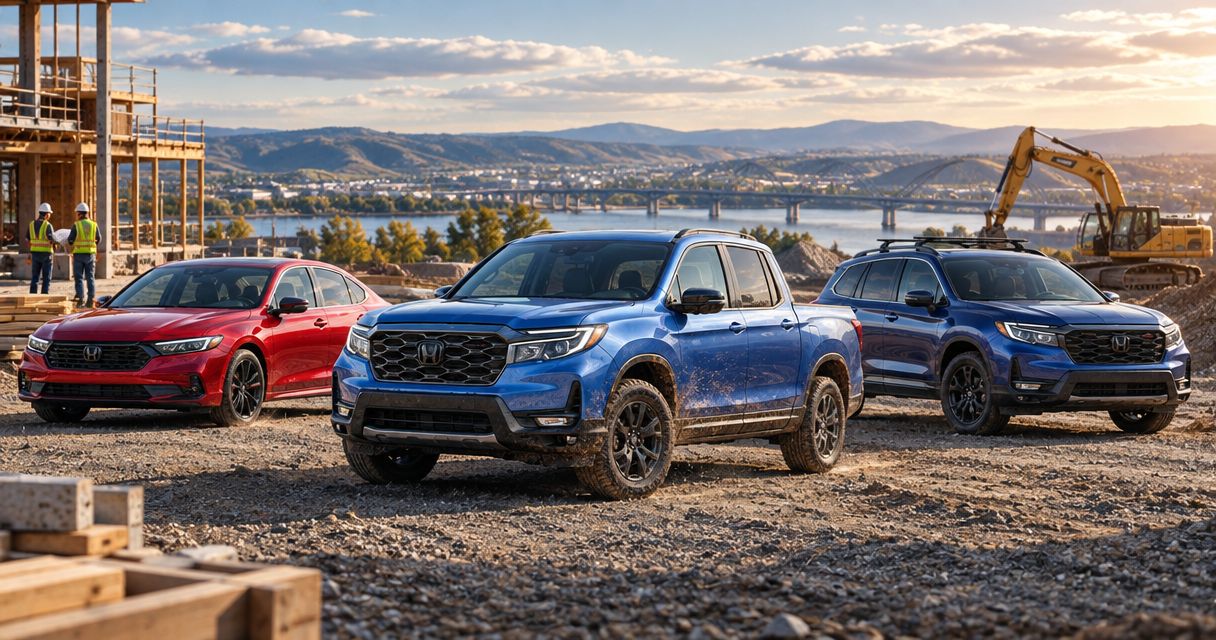
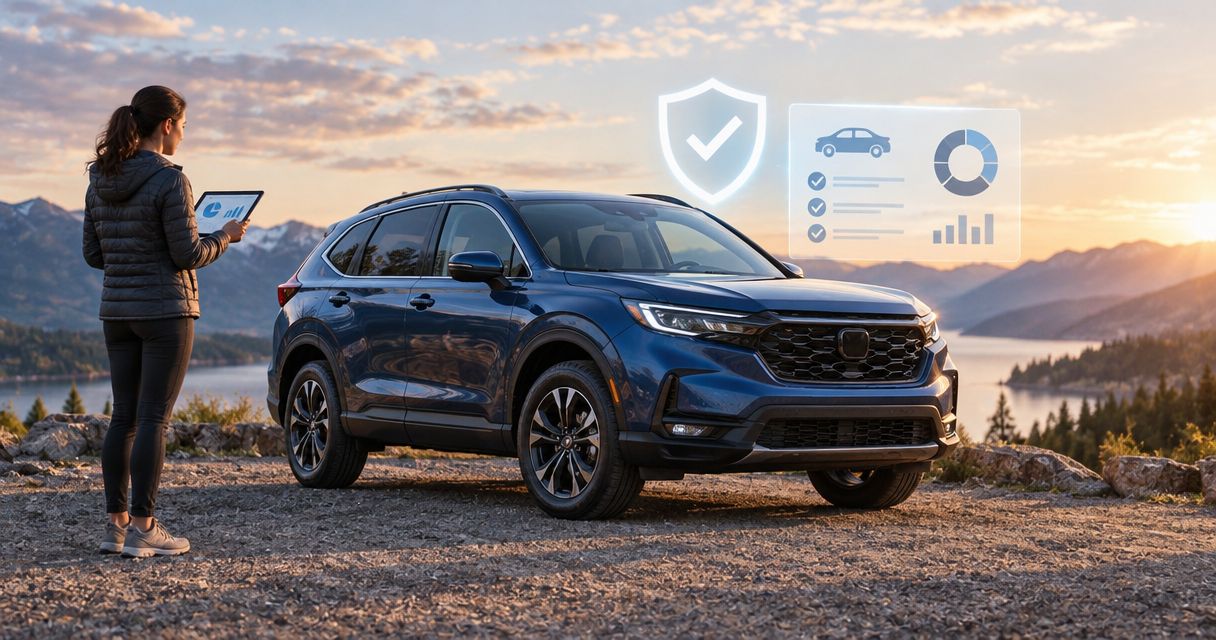
Honda certified pre-owned is worth considering in 2026 when the vehicle’s documented condition and written warranty coverage justify choosing it over a comparable noncertified used Honda. Certification does not eliminate routine maintenance, wear-related repairs, or the need to inspect the individual car. Compare the paperwork and service needs before you commit—not just the certified label.
- Is Honda certified pre owned worth it? Yes, when documented coverage and condition fit your ownership plans.
- Honda certified pre-owned status does not replace service records, a test drive, or a review of warranty exclusions.
- Bristol Honda serves Bristol, Johnson City, and Kingsport with Honda vehicle sales and service from its Bristol location.
- Compare certified, noncertified used, and new Honda options by condition, coverage, equipment, and upcoming maintenance.
Is Honda certified pre-owned worth it in 2026?
Choose Honda certified pre-owned for verified protection and condition—not as a substitute for checking either. A well-documented certified vehicle deserves consideration, but the designation alone does not establish whether that particular car fits your needs.
For local shopping help, Bristol Honda is located in Bristol, Tennessee, and serves Johnson City and Kingsport. Start with your driving requirements, then ask the team to explain the certification attached to the specific vehicle you are considering.
| Shopping option | Best for | Main advantage | Main limitation | What to verify |
|---|---|---|---|---|
| Honda certified pre-owned | Buyers who value documented certification and applicable warranty protection | A manufacturer certification program provides additional criteria to review | Coverage has conditions and does not replace maintenance | Certification documents, inspection results, and warranty terms |
| Noncertified used Honda | Buyers comfortable evaluating condition and arranging an inspection | You can assess vehicles without limiting your search to certified examples | Do not assume manufacturer certified coverage applies | History, inspection findings, and any remaining or separate warranty |
| New Honda | Buyers who prioritize an unused vehicle and choosing current-model equipment | No previous owner’s maintenance history to evaluate | A new vehicle still requires scheduled care | Exact equipment, warranty terms, and maintenance requirements |
None of these categories wins automatically. A vehicle with the right seating, accessible controls, and understandable service history can be a better fit than a certified vehicle that misses your daily needs.
Why this matters
Certification answers a different question from suitability. It addresses a vehicle’s eligibility for a program; it does not tell you whether the seats are comfortable, the cargo area works for your household, or the maintenance obligations fit your plans.
For a 2026 purchase, separate the decision into buying checks and ownership checks. The buying side covers the vehicle, documents, and written agreement; the ownership side covers service, parts, warranty procedures, and maintenance records.
Drivers in Bristol, Johnson City, and Kingsport should apply the same standard: understand what you are buying and how you will care for it. Your starting city changes the trip, not the questions worth asking.
Check these documents before choosing a certified Honda
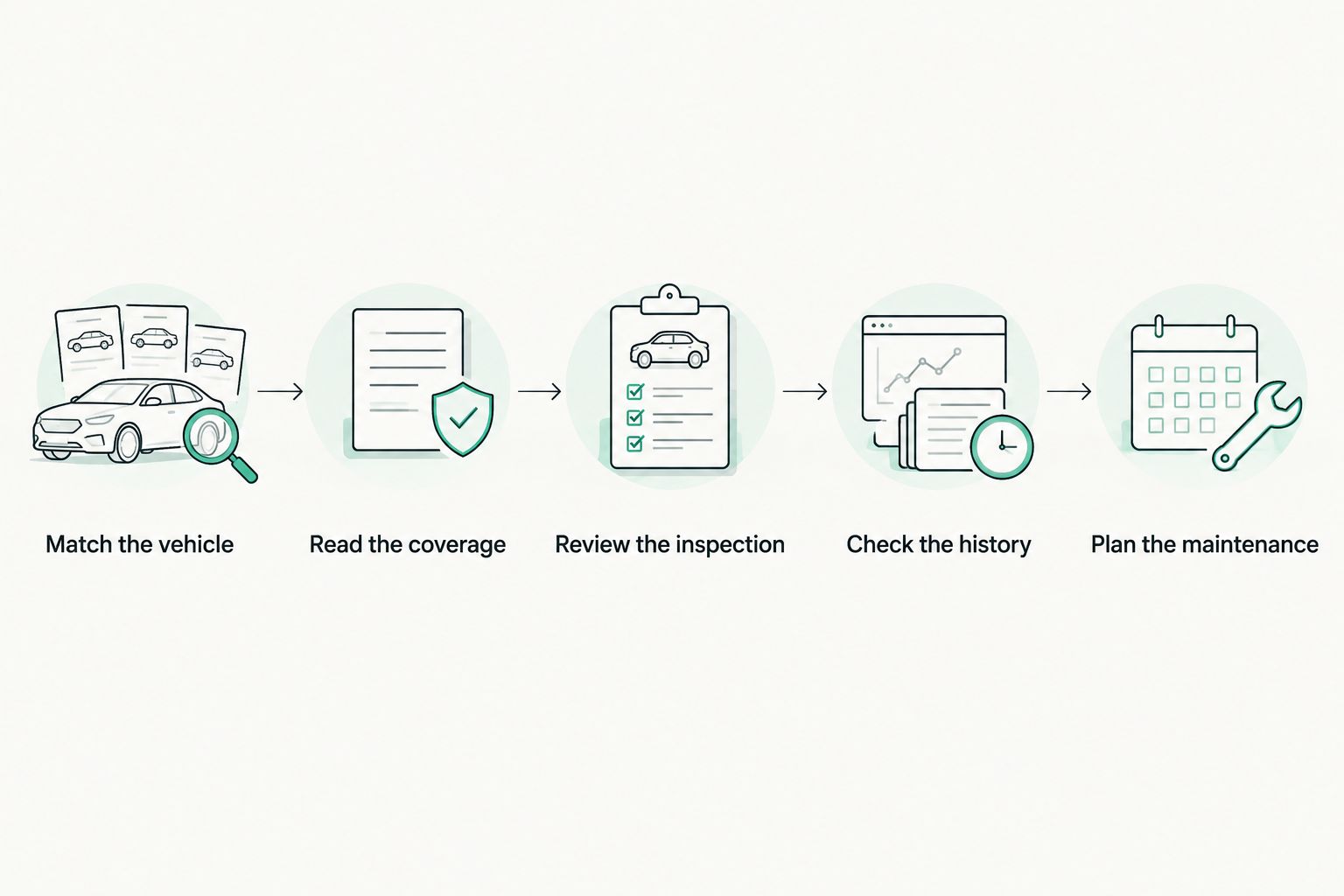
Use these 5 checks to connect the certified designation to the actual vehicle. Complete them before treating certification as a deciding advantage.
1. Match the vehicle
Confirm that the vehicle identification number on the certification paperwork matches the vehicle and purchase documents. Also check the odometer reading and exact model-year information.
Equipment deserves a separate check. Do not assume that a feature shown on another Honda of the same model is included on the vehicle you test-drive.
2. Read the coverage
Ask for the warranty terms that apply to this vehicle and its specific certification program. Identify covered systems, exclusions, claim requirements, and any deductible stated in the agreement.
Check 2 dates: the original in-service date and the applicable coverage expiration date. Read the mileage limit alongside those dates; a time limit alone does not explain how much protection remains.
3. Review the inspection
Request the completed certification inspection and ask which findings required corrective work. Separate items that passed inspection from parts that were repaired or replaced.
A completed inspection describes an assessment at a particular point. It does not promise that tires, brakes, batteries, or other components will never need attention during your ownership.
4. Check the history
Gather 3 documents: the vehicle-history report, the completed certification inspection, and the applicable warranty terms. Review service records alongside them when available, and ask about unexplained gaps rather than filling them with assumptions.
Use this guide to understanding vehicle history to organize follow-up questions. A history report and a mechanical inspection serve different purposes; neither makes the other unnecessary.
5. Plan the maintenance
Ask what maintenance is due now and what the vehicle’s records and maintenance guidance indicate next. For your own planning, consider the next 12 months of driving without treating that period as a universal service interval.
Distinguish completed work from recommended work. Written details make it easier to understand which responsibilities begin after purchase.
Why Honda certified pre-owned value varies
The value of certification depends on the car and the protection you can actually use. In 2026, compare these factors across vehicles rather than assuming every certified Honda offers an identical ownership experience.
- Remaining coverage: Read the applicable time and mileage limits, starting points, and exclusions. Compare remaining protection, not just the original warranty description.
- Documented condition: Review the completed inspection, corrective work, and your own observations. Ask for an explanation when documents and vehicle condition appear inconsistent.
- Maintenance history: Look for records that explain how the vehicle was cared for. Missing records are a reason to ask questions, not proof that maintenance was skipped.
- Upcoming service: Determine what needs attention now and what requires monitoring. Certification and future maintenance are separate considerations.
- Your driving plans: Consider how your expected mileage relates to coverage limits and service needs. A benefit matters only when it applies to your ownership.
- Equipment fit: Confirm the features you will use. Certification does not add equipment that the vehicle was not built with.
The useful comparison is vehicle against vehicle, with the documents open. If an advantage cannot be explained in the paperwork, do not rely on it when making your decision.
What should you check during the test drive?
Use the test drive to evaluate both daily comfort and concerns that deserve inspection. Drive safely on an appropriate route and avoid trying to diagnose a mechanical problem yourself.
Start with the basics: seat adjustment, visibility, entry and exit, control placement, and room for passengers. If you regularly carry a stroller, mobility aid, work bag, or other bulky item, check that it fits rather than judging from a photograph.
Then pay attention to how the vehicle starts, steers, brakes, and responds during ordinary driving. Report warning lights, unusual sounds, vibration, or pulling to the side and request an explanation before proceeding.
For Bristol, Johnson City, and Kingsport drivers alike, the goal is a realistic daily-use check. A short drive should produce specific questions—not pressure to accept an unresolved concern because the vehicle is certified.
How should you plan service after buying?
Start with the owner’s manual, maintenance information, and documented service history for the exact vehicle. Certification is not a replacement for the maintenance schedule.
Ask the service team to distinguish routine maintenance, wear-related work, a diagnostic concern, and a potential warranty repair. Those categories can follow different procedures, and coverage depends on the applicable agreement.
For your 2026 ownership plan, record the current mileage, recent completed work, and any outstanding recommendations. Keep invoices that describe the work performed and parts used; a personal reminder alone does not document a repair.
Bristol Honda suits Tri-Cities drivers seeking Honda vehicle sales and service from a dealership in Bristol. Buyers traveling from Johnson City or Kingsport can ask what information to provide before arranging a visit, while Bristol drivers should prepare the same vehicle details and questions.
Tires, brakes, and batteries need their own questions
Ask for the recorded inspection findings for tires, brakes, and the battery. Find out what was measured or tested and whether the paperwork identifies replacement or follow-up work.
Avoid treating every recommendation as a warranty issue. Ask the service team to explain the finding, its urgency, and whether coverage applies before authorizing work.
Parts must match the vehicle
When maintenance or repairs require parts, provide the vehicle identification number and describe the work being performed. Exact fit matters more than assuming that every part listed for a model name is interchangeable.
Ask which part is proposed and why it is appropriate. If alternatives are discussed, request an explanation of compatibility and any warranty implications rather than assuming the options are equivalent.
When should you choose a noncertified Honda instead?
A noncertified Honda deserves consideration when its condition, records, equipment, and inspection results meet your requirements. Its limitation is straightforward: you cannot assume Honda certified pre-owned benefits apply.
Compare a noncertified vehicle against a certified vehicle using the same questions. Review history, test-drive both, investigate concerns, and establish what warranty protection—if any—applies to each.
Do not reject a documented used Honda solely because it lacks certification, and do not accept a certified Honda solely because it has it. The designation belongs inside the comparison, not above it.
Does Honda certification mean every repair is covered?
Honda certification does not mean every repair is covered. The applicable warranty determines eligible repairs, exclusions, limits, and claim procedures.
Before purchase, ask how to report a concern, where eligible repairs can be performed, and what authorization is required. Resolve those questions while reviewing the agreement, not after a warning light appears.
Should you buy certified pre-owned or keep your current Honda?
Keep your current Honda in the comparison if it still meets your needs. Review its condition and outstanding service recommendations before assuming replacement is the right next step.
A 2026 shopping decision should account for what you already know about your current vehicle’s history. A service assessment can clarify existing concerns, while a test drive can establish whether another vehicle offers a meaningful improvement in daily use.
FAQ
Is Honda certified pre owned worth it for a first-time buyer?
Honda certified pre-owned is worth considering for a first-time buyer who values documented inspection and applicable warranty protection. Review the individual vehicle’s history, coverage terms, and maintenance needs before deciding.
Is a certified Honda better than a regular used Honda?
A certified Honda is not automatically a better purchase than every noncertified used Honda. Compare the actual vehicles by condition, records, equipment, inspection findings, and applicable warranty coverage.
Does Honda certified pre-owned mean maintenance is included?
Do not assume Honda certified pre-owned status includes maintenance. Ask for the written benefits attached to the specific vehicle and distinguish maintenance benefits from repair coverage.
How do I find out how much certified warranty coverage remains?
Use the applicable warranty documents, original in-service date, current odometer reading, and coverage limits to establish what remains. Ask the dealership to explain any term or starting point that is unclear.
Should I still test-drive a certified pre-owned Honda?
Yes, test-drive a certified pre-owned Honda to check comfort, visibility, controls, and driving behavior. Request an explanation for warning lights, unusual sounds, or other concerns before committing.
Can I shop for a Honda from Johnson City or Kingsport?
Bristol Honda is located in Bristol, Tennessee, and serves drivers from Johnson City and Kingsport. Contact the team to discuss your vehicle requirements and arrange your next step.
What should I bring when discussing service for a used Honda?
Bring the vehicle identification number, current mileage, available maintenance records, and a description of your concerns. Include any warranty paperwork relevant to the work you want assessed.
One last thing
A passed inspection and a replaced part are not the same thing. When you read the certification paperwork, identify which components were inspected, which received work, and which need future monitoring.
Before signing, ask the sales and service teams to explain any unresolved difference between the vehicle’s documents and your observations. The strongest reason to choose a certified Honda is a clear, documented fit—not a label you still have questions about.