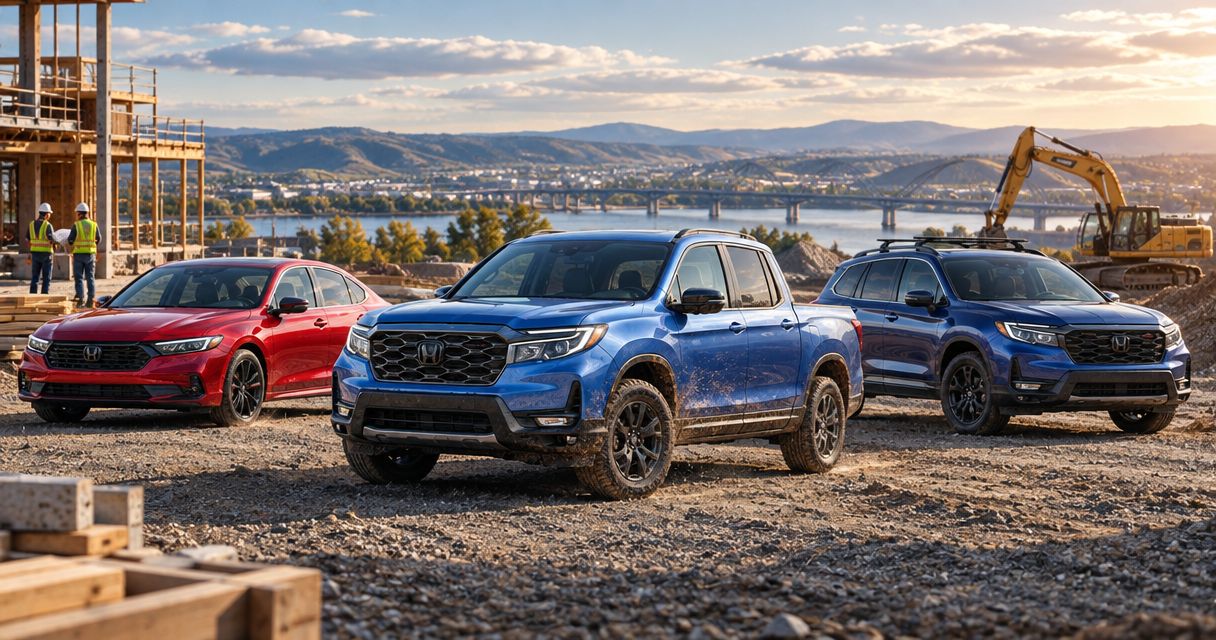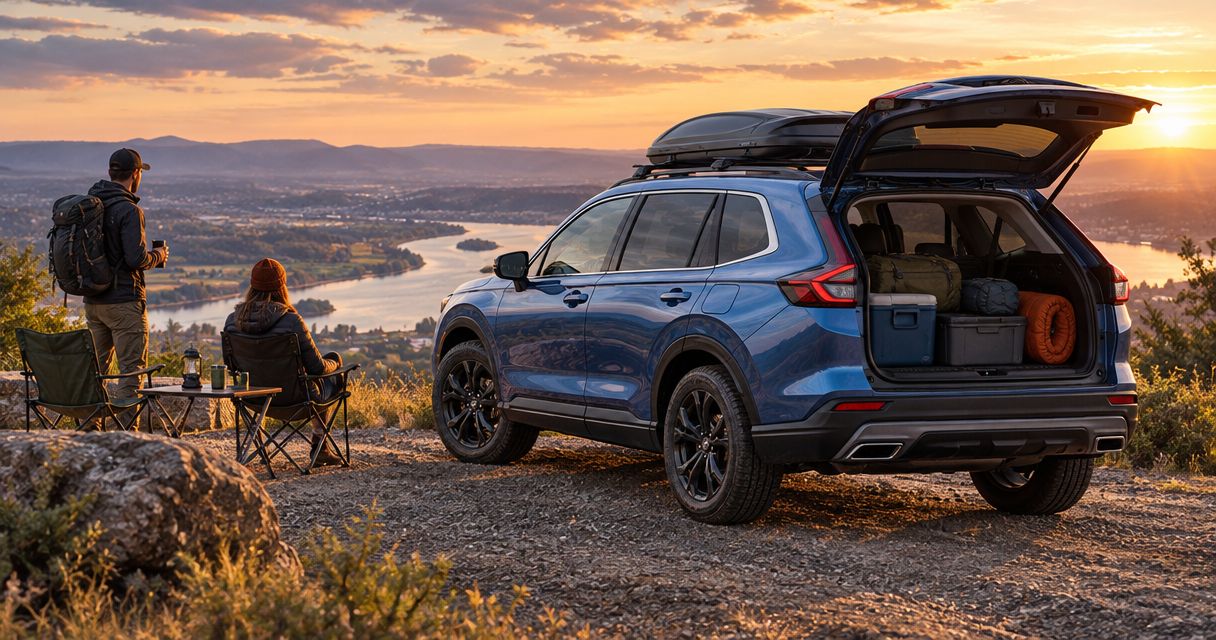
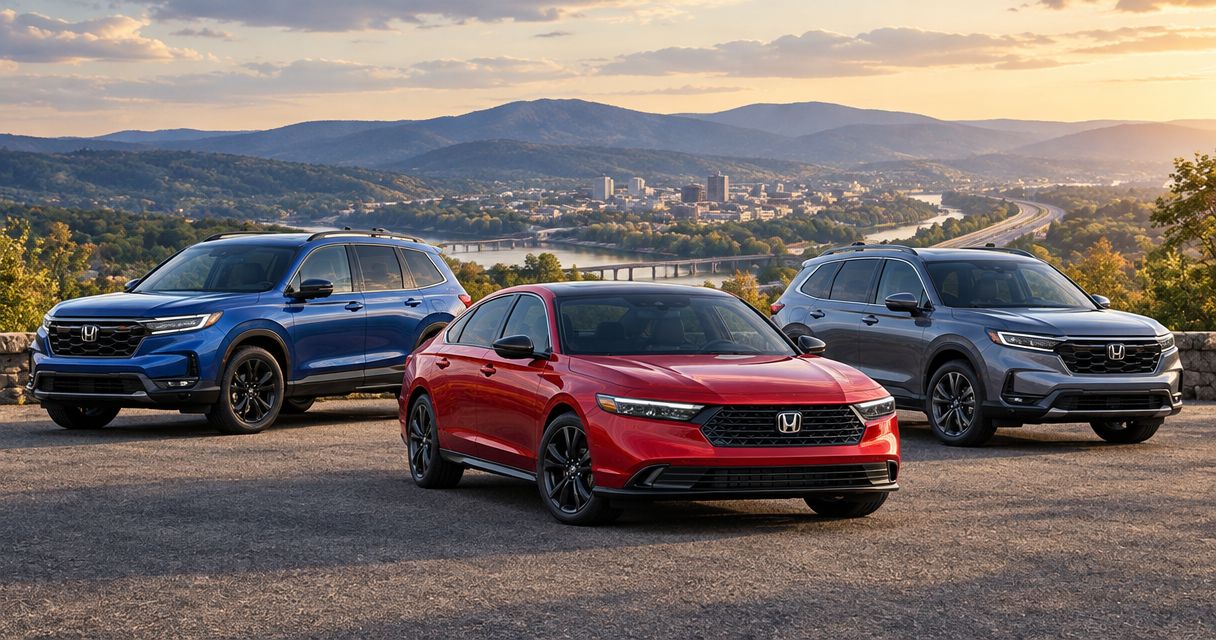
Best overall: Honda Accord for sedan-focused commuting. Best for solo drivers: Honda Civic. Best for carrying bulky everyday gear: Honda CR-V Hybrid. This 2026 guide to the best Honda for I-81 commuters connects those choices with the test-drive checks and maintenance planning that matter for drivers in Bristol, Johnson City and Kingsport.
- The Honda Accord is the best Honda for I-81 commuters who want a sedan with room for passengers.
- Choose the Honda Civic for solo commuting; choose the Honda CR-V Hybrid when cargo access takes priority.
- Bristol Honda is located in Bristol and serves Johnson City and Kingsport with vehicle sales, financing and service.
- Compare the exact vehicle, then plan tire, brake and oil maintenance around its condition and Honda guidance.
Why your commute should decide the vehicle
Start with the Honda Accord unless your parking space or cargo needs point elsewhere. A commuter vehicle has to work at both ends of the trip, not just on the interstate. Your seat position, driveway, passengers and work equipment belong in the decision.
Bristol Honda is located in Bristol, Tennessee, and serves Johnson City and Kingsport. The dealership offers new and certified pre-owned Honda vehicles, financing, service and parts. Bristol Honda suits Tri-Cities commuters who want vehicle-shopping help and ongoing Honda service at a dealership in Bristol.
For a 2026 purchase, judge the exact vehicle rather than assuming every trim or model year has the same equipment. Use Honda's official specifications and the vehicle's documentation to confirm features before deciding.
What makes the best Honda for I-81 commuters?
Use these criteria before comparing models:
- Driving position: You should reach the pedals comfortably and see clearly without stretching or leaning.
- Passenger fit: Set the driver's seat first, then check the seating position behind it.
- Cargo access: Bring your actual work bag, stroller or equipment rather than judging an empty cargo area.
- Route fit: Include interstate driving and the streets you use near home or work.
- Maintenance readiness: Review service records, tire condition and any inspection findings before buying.
- Equipment clarity: Confirm the exact vehicle's driver-assistance, phone-connectivity and comfort features. A model name alone does not confirm equipment.
The best choice passes both tests: it handles your daily load and has a clear plan for ongoing care.
Honda commuter choices at a glance
| Rank and model | Best for | Standout characteristic | Key limitation |
|---|---|---|---|
| 1. Honda Accord | Drivers prioritizing passenger room in a sedan | Sedan layout suited to commuting with passengers | Separate trunk limits access for tall cargo |
| 2. Honda Civic | Solo commuters who prefer a compact car | Compact-car format for everyday driving and parking | Less room to spread out than the Accord |
| 3. Honda CR-V Hybrid | Drivers combining commuting with bulky cargo | SUV liftgate and hybrid powertrain | SUV size is unnecessary if you only need a small sedan |
These are use-case recommendations, not measured fuel-economy or ownership-cost rankings. Compare the official ratings for the exact year, trim and drivetrain you are considering.
1. Honda Accord: best Honda for passenger-focused commuting
The Honda Accord is the default recommendation for a commuter who wants a sedan and regularly carries passengers. Its role here is straightforward: start with passenger fit, driving comfort and usable trunk space before moving to an SUV.
During your 2026 search, compare the specific Accord's seating adjustments and controls. Check whether you can maintain a relaxed driving position while reaching the functions you use regularly. A feature list cannot settle that question.
Honda Accord pros:
- The sedan layout suits drivers who keep everyday belongings in a separate trunk.
- Its larger-car format gives you a useful alternative to the compact Civic.
- It belongs on your shortlist when rear-seat passengers are part of the regular commute.
Honda Accord cons:
- A trunk opening is less convenient than a liftgate for tall, awkward items.
- Its size deserves a parking-space check if your garage or workplace space is tight.
Best for: Drivers who value a sedan and need to accommodate passengers as well as themselves.
Service check: On a used Accord, examine maintenance documentation and ask about uneven tire wear or braking vibration. Do not treat a clean cabin as evidence of mechanical condition.
Verdict: Buy the Honda Accord if passenger fit and sedan comfort lead your checklist.
2. Honda Civic: best Honda for solo commuting
The Honda Civic is the stronger starting point when your commute usually involves you and a work bag. Its compact-car format lets you focus on the space you actually use rather than choosing a larger vehicle by default.
Decide which Civic body style you want before comparing individual vehicles. A sedan and a hatchback require different cargo-loading checks; the badge alone does not tell you whether your equipment fits.
Honda Civic pros:
- The compact format suits drivers who do not need a larger vehicle.
- Sedan and hatchback configurations give shoppers different cargo-access layouts to consider.
- It provides a useful comparison against the Accord when parking space matters more than extra passenger room.
Honda Civic cons:
- Its smaller cabin deserves a careful check with your regular passengers.
- Choosing by model name without checking body style can leave you with the wrong cargo opening.
Best for: Solo commuters whose daily load is modest and who prefer a compact car.
Service check: Check tire condition and the maintenance history on the specific Civic. Wheel and tire differences between vehicles make condition and replacement fitment more useful than assumptions about the model.
Verdict: Buy the Honda Civic if a compact car meets your daily needs without compromise.
3. Honda CR-V Hybrid: best Honda for work gear and errands
The Honda CR-V Hybrid belongs on the shortlist when your commute also includes equipment, family errands or bulky loads. The liftgate is the main practical distinction from the sedans in this guide. Test that access with the items you actually carry.
Do not choose the hybrid label as a substitute for comparing fuel-economy ratings. For a 2026 shopping decision, check the exact vehicle's official city, highway and combined figures, then consider how much of your route falls into each setting.
Honda CR-V Hybrid pros:
- A liftgate gives you direct access to the rear cargo area.
- The SUV format accommodates a different loading routine than a sedan trunk.
- The hybrid powertrain gives you another option to evaluate against your driving pattern.
Honda CR-V Hybrid cons:
- Its SUV format adds size you do not need if your cargo fits comfortably in a sedan.
- A hybrid badge does not establish your real-world fuel use or savings.
Best for: Commuters who regularly load bulky items and want to compare a hybrid SUV with sedan alternatives.
Service check: Request the maintenance history and ask which inspections apply to the exact hybrid vehicle. Keep routine tire, brake and fluid care in the conversation, not just the hybrid components.
Verdict: Buy the Honda CR-V Hybrid when cargo access solves a regular problem.
Make maintenance half of the buying decision
A model recommendation is only the beginning. A used vehicle with unresolved maintenance needs requires a different decision from an otherwise comparable vehicle with documented care.
Ask Bristol Honda to explain the inspection findings, service history and recommended work for the vehicle you are considering. If a vehicle is described as certified pre-owned, request its certification documents and applicable coverage terms rather than assuming what certification includes.
For current owners, the same principle applies: identify the condition of your Honda before replacing parts or changing your service routine. Keep these priorities separate so each gets a clear answer.
Tires and pressure
Check the driver's door-jamb placard for the vehicle's recommended cold tire pressures. The pressure molded into a tire sidewall is not the vehicle's recommended operating pressure.
Look for visible damage and uneven wear, and have concerns inspected. Ask whether tire rotation, alignment evaluation or replacement is appropriate for the condition found; they are different services, not interchangeable answers.
Before a 2026 purchase, compare the tire specifications on the actual vehicle with its documentation. Do not assume another trim uses the same tire fitment.
Brakes and warning signs
Report braking vibration, pulling, grinding or changes in pedal feel when arranging an inspection. Describe when the symptom occurs rather than asking for a particular replacement part first.
Request an explanation of the findings and the recommended repair. Brake pads and rotors do different jobs, so a useful estimate explains which components need attention and why. Do not postpone an inspection because the vehicle still stops.
Oil and maintenance guidance
Use the owner's manual and Honda's maintenance guidance for the specific vehicle. A generic mileage interval is not a substitute for the instructions that apply to your Honda and its operating conditions.
Record completed maintenance and keep the supporting paperwork. If you are comparing used vehicles, ask what work was performed and when, rather than accepting an unexplained statement that the vehicle was serviced.
Visibility and electrical checks
Check the windshield, wipers, washer operation and exterior lights before settling into a daily interstate routine. Small visibility problems deserve attention before a wet or dark drive exposes them.
Ask for battery testing when starting behavior changes or an inspection identifies a concern. Replacing a battery based only on age skips the condition check that should inform the decision.
These maintenance priorities apply equally to Bristol, Johnson City and Kingsport drivers. Your service plan should follow your vehicle's requirements and condition, not a different rule for each city.
Use the same test-drive routine for every finalist
Give each vehicle a comparable 20-minute test drive, where the route and dealership arrangements allow it. That is a suggested evaluation window, not a performance benchmark. Include local streets and interstate driving only where it is safe and permitted.
Follow this sequence so a pleasant first impression does not replace a useful comparison:
- Seat setup: Adjust the seat and mirrors before moving. Check pedal reach and visibility.
- Route check: Listen for distracting noise and note how comfortably you use the controls.
- Cargo check: Load your regular belongings and check passenger space with the driver's seat adjusted.
- Service review: Discuss inspection findings, maintenance records and any symptoms noticed during the drive.
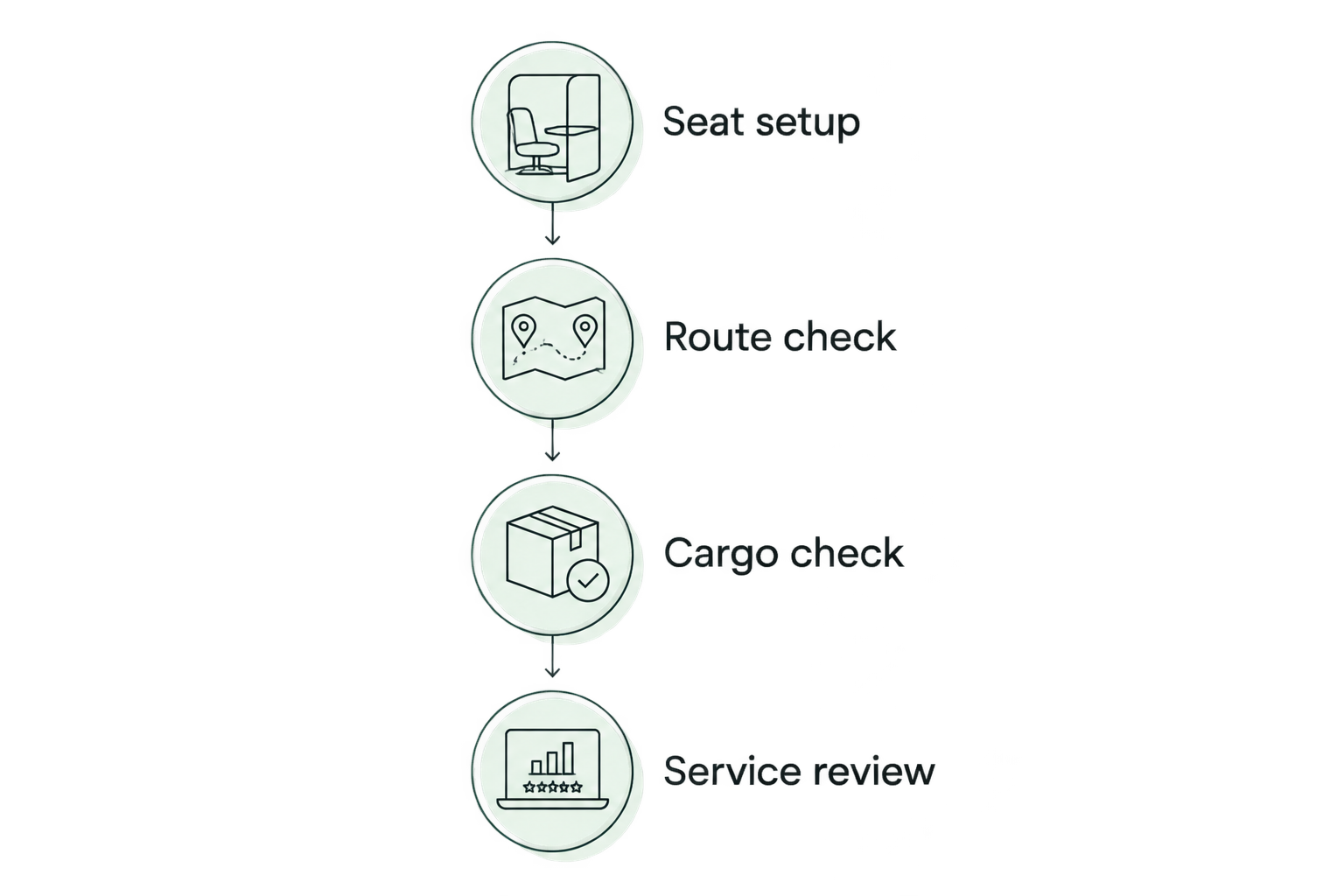
Take notes immediately after each drive. For your 2026 shortlist, score 3 priorities from 1 to 5 points: driving position, passenger fit and cargo access. This is a personal comparison exercise, not an objective vehicle rating.
Add maintenance findings alongside the scores, not inside them. A comfortable seat does not cancel out a repair concern, and service documentation does not make an uncomfortable driving position suitable for you.
Plan the visit from your part of the Tri-Cities
For Bristol drivers, bring the belongings and passenger needs that represent an ordinary workday. A nearby visit still deserves a prepared checklist.
For Johnson City drivers, explain how your trip combines interstate and local roads. Ask to compare the vehicle's equipment and service needs before committing to another visit.
For Kingsport drivers, use the same preparation: identify your preferred body style, bring relevant vehicle records and discuss your test-drive priorities with the team.
Bristol Honda is in Bristol, not Johnson City or Kingsport. Contact the team before traveling to discuss a particular vehicle, a service concern or the documents relevant to your visit.
How these Honda choices are ranked
The Honda Accord ranks first for the passenger-focused sedan use case. The Honda Civic takes the compact solo-commuter slot, while the Honda CR-V Hybrid addresses bulky-cargo access.
The ranking follows driving position, passenger fit, cargo access, route fit, maintenance readiness and equipment clarity. It does not claim instrumented testing, measured cabin noise or a universal ownership-cost winner. Your exact vehicle and test drive settle the final choice.
Which Honda should you choose?
Choose the Honda Accord as your starting point for I-81 commuting in 2026. Compare the Honda Civic if you prefer a compact car, and the Honda CR-V Hybrid if a liftgate solves a recurring loading problem.
Give service planning equal weight. Before buying, understand the vehicle's condition and documentation; after buying, follow the maintenance guidance that applies to it. The right body style and a clear care plan work together.
FAQ
What's the best Honda for I-81 commuters?
The Honda Accord is the best starting point for I-81 commuters who want a sedan with passenger room. Choose the Honda Civic when a compact car fits your needs, or the Honda CR-V Hybrid when bulky cargo access matters more.
Is the Honda Civic or Accord better for my daily commute?
Choose the Honda Civic for compact-car needs and the Honda Accord when passenger room takes priority. Set the driver's seat in each vehicle, then check the space behind it and load your regular belongings.
Should I choose a CR-V Hybrid for mostly highway driving?
Choose the Honda CR-V Hybrid when its cargo access and SUV layout fit your routine, then compare its official highway rating with your alternatives. The hybrid label alone does not establish fuel use or savings for your commute.
What should I check before buying a used commuter Honda?
Check maintenance records, inspection findings, tire condition and braking behavior before buying a used commuter Honda. Confirm equipment on the exact vehicle, and request certification and coverage documents if it is described as certified pre-owned.
How often should I service a Honda used for commuting?
Follow the owner's manual and Honda maintenance guidance for your specific vehicle. Discuss your driving conditions with the service team rather than applying a generic interval to every Honda.
Does Bristol Honda have locations in Johnson City or Kingsport?
Bristol Honda is located in Bristol, Tennessee, and serves drivers from Johnson City and Kingsport. Contact the Bristol dealership to discuss vehicle shopping, financing, service or parts before your visit.
One last thing
Bring the awkward item, not just the everyday bag. A folding cart, stroller or work case can reveal a cargo-opening problem that an empty-car inspection misses.
Then give the vehicle's records the same attention as its cabin. For your 2026 commute, the strongest choice is the Honda that fits your actual routine and comes with a maintenance picture you understand.