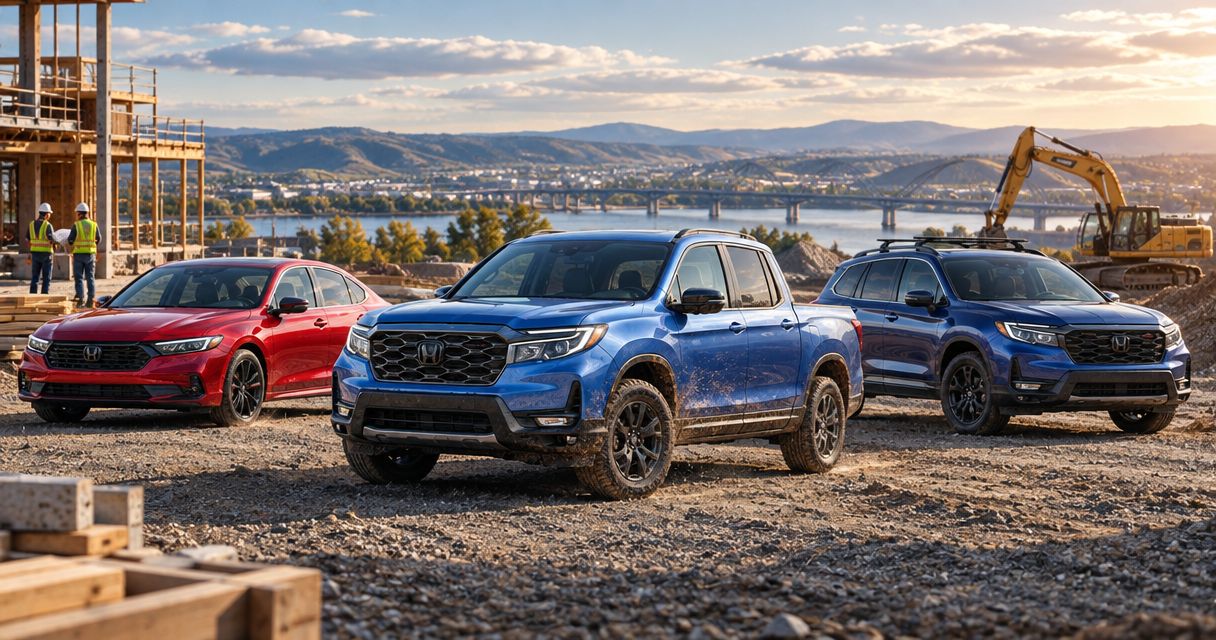
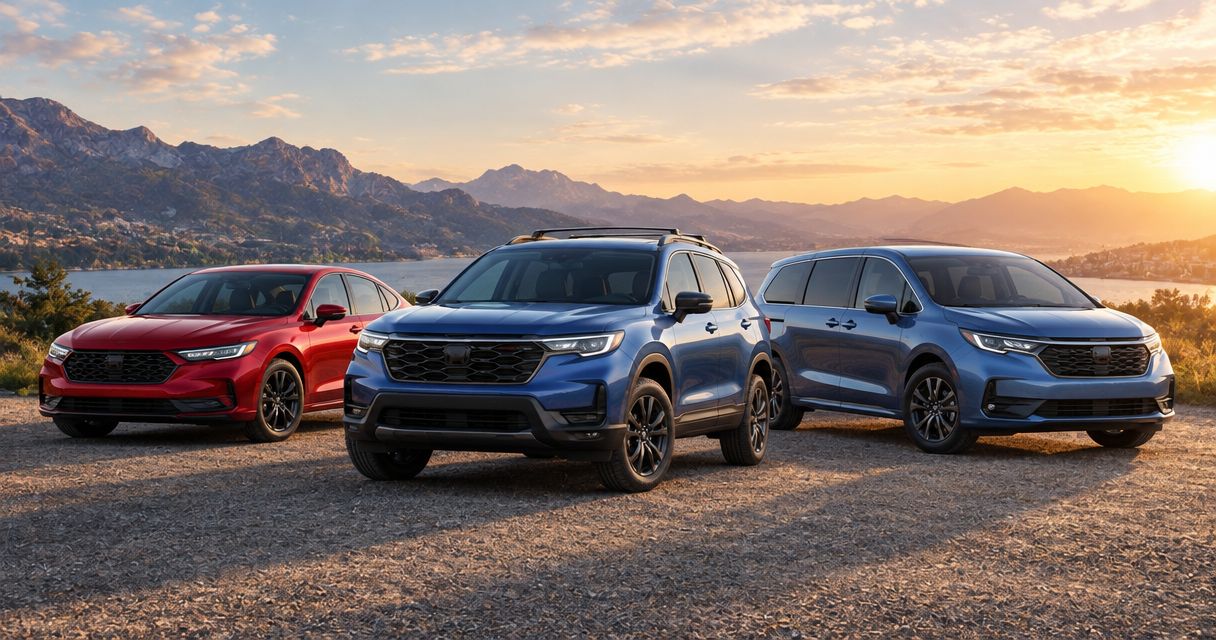
Small-business Honda fleet buying is choosing and maintaining company vehicles with the aim of keeping employees mobile and business work on schedule. To choose Honda fleet vehicles for small business in 2026, match each vehicle to its actual work, compare written purchase terms, and plan service before committing.
- Choose Honda fleet vehicles for small business by job requirements, not a matching set of vehicles.
- Bristol Honda suits Tri-Cities businesses seeking Honda vehicle shopping and service at a dealership in Bristol.
- Compare new and certified pre-owned Honda vehicles using written terms and vehicle-specific records.
- Assign maintenance responsibility before handing an employee the keys.
Why fleet buying matters for small businesses
A business vehicle has to support the workday, not just the drive home. Client visits, employee travel, deliveries, and equipment transport place different demands on seating, storage, upkeep, and insurance.
For a small business, the purchasing decision and the maintenance plan belong together. A vehicle that fits the job still needs a named driver, service records, and a plan for the days it is in the shop. Start with this guide to Honda models for small-business owners, then narrow your choices using the process below.
Whether your business operates in Bristol, Johnson City, or Kingsport, compare vehicles against the routes your employees actually drive. Your 2026 fleet plan should describe those assignments before naming a model or trim.
Buy for the job, then organize service around the workday. Treat both decisions as part of the same purchase.
How to plan your Honda business fleet
1. Define the work each vehicle must do
Start with a shared spreadsheet or paper worksheet. Give each proposed vehicle its own entry, even when you expect to buy similar vehicles. Record who uses it, what travels inside, and where it parks overnight.
Separate must-haves from preferences. Secure storage for work materials is a requirement; a particular upholstery color is not. If employees carry tools or samples, bring representative items to a vehicle evaluation instead of judging space from photographs.
For your planning exercise, record 7 workdays of actual trips. This is a suggested observation period, not a vehicle requirement. Include a busy day and an ordinary day so the shortlist reflects both.
A Bristol sales route, a Johnson City service assignment, and a Kingsport client-visit schedule deserve the same careful review. Do not assume one vehicle configuration suits all three.
- Record trip purpose and distance in miles.
- List passengers and regularly carried equipment.
- Note parking, loading, and overnight-storage conditions.
- Separate essential features from employee preferences.
- Identify who approves each vehicle assignment.
2. Compare acquisition choices on the same basis
Build your comparison manually before discussing financing. Use the same ownership period, expected mileage, and work requirements for every candidate. Otherwise, a lightly equipped vehicle and a differently equipped alternative become an unfair comparison.
Include insurance, fuel, scheduled maintenance, wear items, and time away from work in your planning worksheet. Ask your insurer how business use and employee drivers affect coverage. Ask your accountant about ownership and recordkeeping rather than assuming a business vehicle receives a particular tax treatment.
For a 2026 purchase, keep the vehicle details and written transaction documents together. Check which items are included, which are optional, and which conditions apply. A business-use purchase does not establish eligibility for a special fleet program.
Choose the acquisition route you can document and manage, not the one with the most appealing label. Keep vehicle condition separate from how you intend to pay for it.
- Use the same expected mileage for each comparison.
- Request vehicle-specific written purchase information.
- Separate optional products from required transaction items.
- Confirm insurance requirements for the intended business use.
- Review ownership and tax questions with your accountant.
3. Test the shortlist against a real workday
Make your initial shortlist from the job worksheet, then arrange a hands-on evaluation. Invite 2 employees who will drive the vehicles when practical. Different drivers reveal different concerns about visibility, seating position, loading access, and everyday controls.
Plan a 30-minute evaluation as a starting point, subject to the dealer's test-drive arrangements. Use that time deliberately: adjust the seat, check access, load representative items with permission, and discuss the intended work route.
Bristol Honda offers new and certified pre-owned Honda vehicles, financing, and service/parts. The dealership is located in Bristol and serves Johnson City and Kingsport; it does not have a dealership in each city. Use Bristol Honda to contact the team about vehicle shopping and service planning together.
Bristol Honda suits Tri-Cities businesses seeking Honda fleet vehicles and service at a dealership in Bristol. Confirm business-use suitability and vehicle-specific details before making a commitment.
- Bring the work-requirements worksheet to the visit.
- Check the exact vehicle and trim being considered.
- Test seating and access with the intended drivers.
- Confirm equipment fit without blocking visibility or controls.
- Ask what documents a business purchase requires.
4. Establish a maintenance baseline before assignment
Begin with the owner's manual and the vehicle's maintenance information. Create a record for the exact vehicle, not a generic schedule copied from another Honda. Keep purchase documents, inspection findings, and available service history in the same folder.
For a certified pre-owned vehicle, review its certification documents and coverage terms. Certification does not replace understanding maintenance history or checking current condition. Ask about unresolved inspection findings and what work was completed before delivery.
For a new vehicle, learn how maintenance reminders and owner checks apply before the first assignment. Ask the service team to explain the vehicle's maintenance guidance, fluid specifications, and any instructions relevant to your intended use.
Your 2026 baseline should also identify who receives service reminders. If reminders stay only with an individual driver, the business loses continuity when assignments change.
- Save the vehicle identification number and odometer reading.
- File inspection findings and available service records.
- Read the applicable maintenance guidance.
- Record questions about tires, brakes, fluids, and batteries.
- Assign one person to maintain the service file.
5. Schedule service around business commitments
Start with a shared calendar and a simple approval process. Name the person who books appointments, authorizes work, and communicates changes to drivers. Do not leave those responsibilities to whoever notices a dashboard message first.
A Johnson City business should plan the service trip as carefully as a Bristol business. A Kingsport business needs the same clarity about drop-off, collection, and employee travel. Discuss arrangements directly rather than assuming transportation assistance or a particular completion time.
For Honda fleet vehicles, Bristol Honda provides a local point of contact for service and parts as well as vehicle shopping. Ask about certified Honda service for the specific work, appointment arrangements, and the information needed before arrival. Confirm the agreed scope before authorizing additional work.
Schedule the vehicle and the employee's work together. An appointment on the calendar is only useful when the business knows how that day's assignments will be covered.
- Book against the vehicle's maintenance guidance and condition.
- Give the service team a clear description of symptoms.
- Confirm drop-off and collection arrangements.
- Identify who can authorize additional work.
- Arrange how affected business trips will be covered.
6. Standardize driver checks and parts requests
Give every assigned driver the same reporting process. A short written form is enough: vehicle identification, odometer reading, warning messages, symptoms, and when the issue occurs. Ask drivers to report concerns promptly rather than attempting unfamiliar repairs.
Keep owner checks within the driver's knowledge and the owner's manual instructions. Drivers should not open a hot cooling system, work beneath an unsupported vehicle, or continue driving when the manual directs them to stop. Have a qualified technician assess safety-related concerns.
For parts requests, start with the vehicle identification number and the exact job. Similar model names do not establish part compatibility. Accessories also need a fit check against the vehicle and its existing equipment before ordering or installation.
Use your 2026 service records to review repeat concerns and upcoming work. A consistent record helps the person approving maintenance understand what has already been inspected or replaced.
- Record warning messages exactly as displayed.
- Describe when noises, vibration, or starting problems occur.
- Follow manual instructions for owner checks.
- Use vehicle identification details for parts requests.
- Save repair findings and completed-work records.
Compare options for your small-business fleet
Compare purchase routes only after defining the job. New and certified pre-owned Honda vehicles are different acquisition choices; retaining an existing vehicle is a separate decision that begins with its condition and suitability.
This table is a planning guide, not a recommendation to replace a serviceable vehicle. Evaluate the actual vehicle and written terms before choosing a route.
| Option | Best for | Main advantage | Key limitation |
|---|---|---|---|
| New Honda | Businesses seeking a new vehicle matched to defined work requirements | Lets you evaluate a new vehicle against your job checklist | Newness alone does not establish suitability for business use |
| Certified pre-owned Honda | Businesses willing to evaluate a previously owned vehicle and its certification terms | Combines a used-vehicle purchase with a documented certification program | Mileage, condition, history, and coverage still require individual review |
| Existing Honda | Businesses whose current vehicle still meets the job requirements | Keeps the decision focused on the vehicle already in service | Requires an honest condition assessment and a plan for needed work |
The right choice connects vehicle fit with maintenance responsibility. Review both sides before deciding whether to purchase or keep your current vehicle.
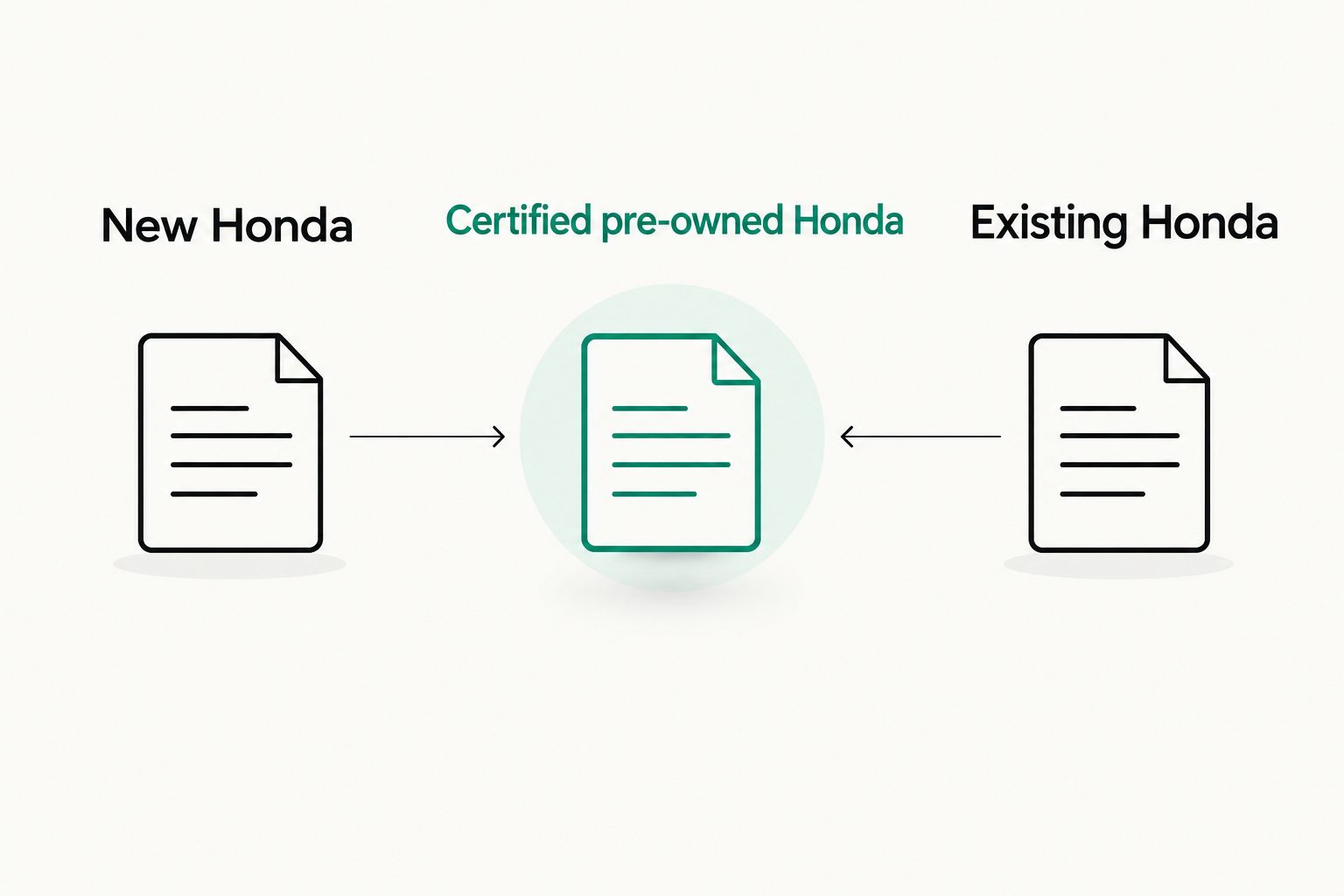
Do not treat matching vehicles as a requirement. Standardization is useful only when the vehicles actually fit the assignments; mixed work requirements deserve separate evaluations.
Common mistakes small businesses make
Buying identical vehicles for different assignments
A client-facing employee and an employee carrying work equipment do not automatically need the same configuration. Compare loading access, passenger needs, parking conditions, and driving duties before standardizing. Match the assignment first; standardize only where requirements align.
Assuming a business purchase includes fleet benefits
Do not build your plan around an unconfirmed program, financing approval, or business-use allowance. Ask what applies to the exact transaction and get applicable conditions in writing. Keep insurance confirmation separate from the purchase conversation.
Letting maintenance records follow the driver
When an employee changes roles, the vehicle's service history must remain with the business. Store records centrally and name a backup contact. The next driver should receive the vehicle's current maintenance information, not just its keys.
Ordering parts from the model name alone
A model name is not a complete parts specification. Provide vehicle identification details and explain the intended repair or accessory installation. Ask for fit confirmation before authorizing the order, especially when business equipment affects how the vehicle is used.
FAQ
What's the best way to choose Honda fleet vehicles for small business?
Choose Honda fleet vehicles by matching each vehicle to a documented work assignment. Compare passenger needs, equipment fit, business-use insurance, written purchase terms, and maintenance responsibilities before selecting a vehicle.
Do I need a formal fleet program to buy a Honda for my business?
Start by asking the dealership how to document your intended business purchase. Do not assume that buying for a business establishes eligibility for a fleet program or special terms; request any applicable conditions in writing.
Is a new Honda better than a certified pre-owned Honda for business use?
Neither purchase route is automatically better for every business. Compare the actual vehicle's suitability, condition, history where applicable, and written coverage terms against the same work requirements.
Can Bristol Honda help businesses in Johnson City and Kingsport?
Bristol Honda is located in Bristol, Tennessee, and serves Johnson City and Kingsport. The dealership offers new and certified pre-owned Honda vehicle sales, financing, and service/parts; discuss your business requirements directly with the team.
What should I bring when shopping for a business vehicle?
Bring your work-requirements worksheet, expected mileage, driver information, and questions about ownership and insurance. Ask the dealership which business-purchase documents are required before your visit.
How should a small business organize Honda maintenance?
Assign a maintenance coordinator and keep a central service record for each Honda. Follow the vehicle's maintenance guidance, document concerns, and arrange business-trip coverage when scheduling service.
Should I replace a business Honda that still does its job?
Base replacement on the vehicle's condition and continued suitability, not the calendar alone. Have maintenance concerns assessed and compare the work required with the business's operational needs before deciding.
One last thing
Before approving a 2026 fleet purchase, rehearse a service day. Name the person who drops off the vehicle, the person who approves work, and the person who covers its scheduled trips. If those responsibilities are unclear, fix the operating plan before adding another vehicle.
A useful fleet plan explains what happens when a vehicle is off the road, not only what happens when you buy it. That applies equally to businesses in Bristol, Johnson City, and Kingsport.