Yes, you can trade in a car you still owe money on, but the existing loan must be paid off as part of the transaction. If the trade-in offer is lower than your loan payoff, you must cover the difference or obtain approval to include it in replacement financing. Before trading in during 2026, compare your lender’s payoff quote, the vehicle’s written appraisal and the full terms of your next purchase.
- Can you trade in a car you still owe money on? Yes, but the existing loan must be settled.
- Positive equity helps fund your next purchase; negative equity remains your responsibility.
- Compare a repair assessment with replacement financing before deciding to trade.
- Bristol Honda serves Honda shoppers and service customers in Bristol, Johnson City and Kingsport.
Can you trade in a car you still owe money on?
An outstanding loan does not prevent a trade-in. It changes how the transaction is settled. The dealer needs your lender’s payoff information so the remaining debt and lien can be addressed when you transfer the vehicle.
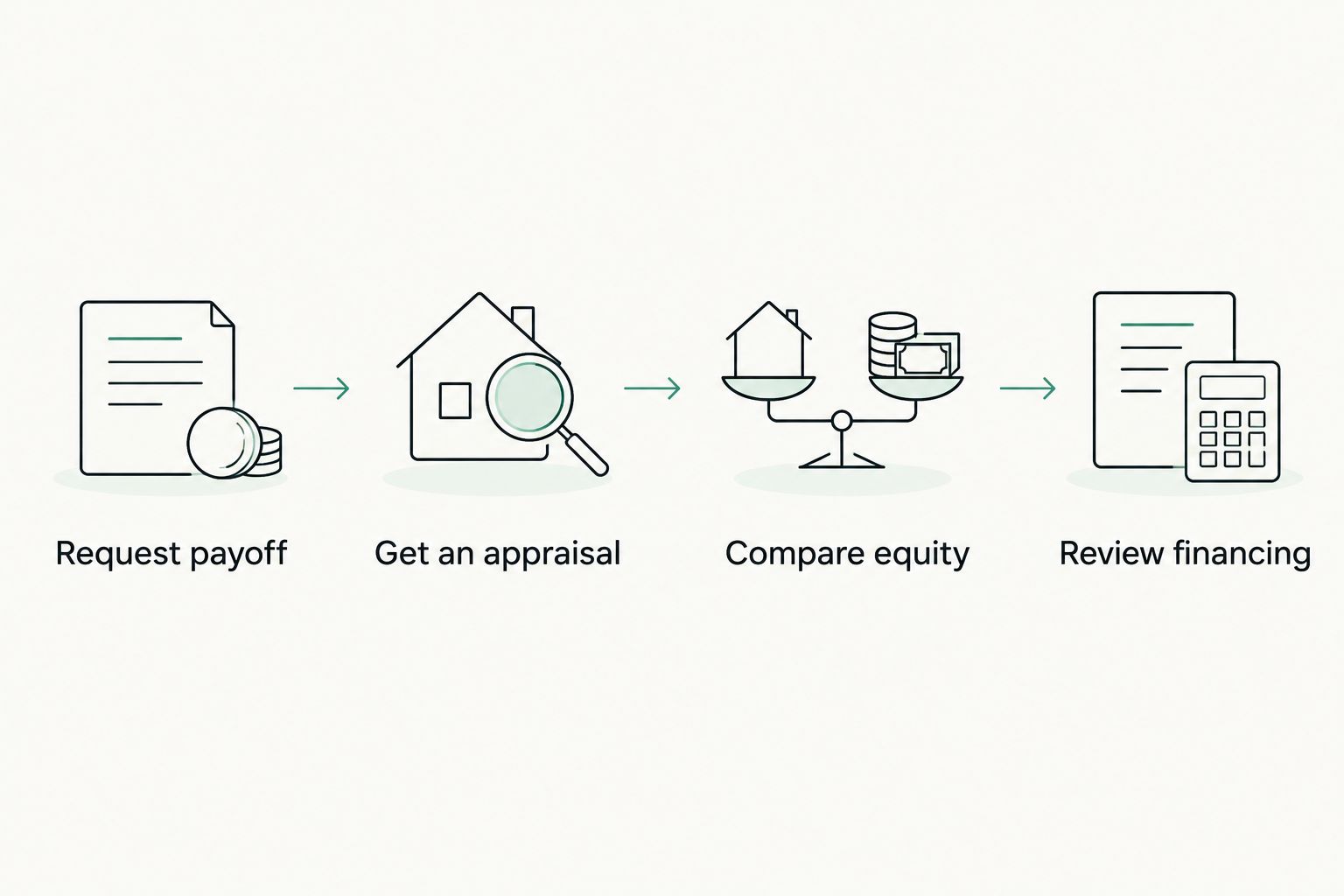
Start with these steps rather than a replacement vehicle’s monthly payment. The trade-in preparation guide for Johnson City drivers also explains what to organize before an appraisal.
- Request payoff. Ask your lender for a payoff quote, its expiration date and instructions for payment. Your account balance alone is not necessarily the amount needed to close the loan.
- Get an appraisal. Obtain a written trade-in offer based on the vehicle’s condition, mileage and history. Treat an online estimate as a research starting point, not a completed appraisal.
- Compare equity. Subtract the payoff amount from the trade-in offer. A positive result is positive equity; a negative result is the shortfall you still need to address.
- Review financing. Check how the old loan appears in the purchase documents, then compare the replacement loan’s amount financed, annual percentage rate, term and total payments.
Why this matters
A trade-in combines the sale of your current vehicle with a possible replacement purchase. Keeping those decisions separate helps you see whether the offer, loan and vehicle each meet your needs.
For Bristol, Johnson City and Kingsport drivers comparing options in 2026, the practical question is not simply whether a trade is possible. It is whether replacing the vehicle leaves you with manageable debt and dependable transportation.
A needed repair belongs in that comparison, too. A maintenance warning does not establish that replacement is the better financial decision, and a lower monthly payment does not establish that a new loan costs less overall.
What happens if you have positive equity?
You have positive equity when your trade-in offer exceeds your lender’s payoff amount. After the old loan is settled, the remaining equity can be applied to the replacement purchase, subject to the transaction’s written terms.
Positive equity is useful, but it is not a reason to overlook the replacement vehicle’s total cost. Review the trade allowance separately from the purchase amount, taxes, fees, optional products and financing.
If you are replacing a Honda because your household needs have changed, write down the specific problem the replacement must solve. Passenger space, cargo access and daily driving needs are more useful shopping criteria than a payment target alone.
What happens if you have negative equity?
You have negative equity when the loan payoff exceeds the trade-in offer. Trading the vehicle does not erase that difference.
You can address the shortfall with cash, keep the vehicle while reducing the balance, or seek financing that includes the unpaid difference. Including negative equity in a replacement loan adds old debt to the next vehicle’s financing. Approval and terms depend on the lender and your application.
| Equity position | What happens at trade-in | Main benefit | Main limitation |
|---|---|---|---|
| Positive equity | Trade value exceeds the payoff | Remaining equity can support the next purchase | Equity does not establish whether the replacement is affordable |
| Break-even equity | Trade value equals the payoff | The trade can settle the existing loan | No equity remains for the next purchase |
| Negative equity | Payoff exceeds trade value | A trade remains possible if the shortfall is addressed | You must cover the difference or obtain approved financing |
Do not rely on a verbal statement that a dealer will take care of the old loan. Ask the team to show where the payoff and any shortfall appear in your documents.
Why your trade-in equity varies
Your equity is the difference between a vehicle valuation and a debt balance. These factors affect that comparison:
- Loan payoff: Accrued interest and applicable contract charges can make the payoff different from the balance displayed in your account.
- Vehicle condition: Body damage, worn tires, warning lights and mechanical problems affect the appraisal.
- Mileage and history: Use, maintenance records and accident history help establish the vehicle’s condition and value.
- Market demand: Appraisals reflect demand for the specific vehicle, not just its original purchase amount.
- Loan structure: The repayment term, original down payment and financed extras influence how the balance declines.
- Timing: Both the appraisal and payoff quote need to remain valid when the transaction closes.
For a 2026 trade-in, use current written figures rather than an earlier estimate. If the closing date changes, ask whether the payoff or appraisal needs updating.
Should you repair your car before trading it in?
Get a diagnosis before approving repairs solely to improve a trade-in offer. A repair expense does not automatically produce an equal increase in the appraisal.
Ask for 2 separate assessments: a written repair estimate and a written trade-in appraisal. Tell the appraiser about known problems, then ask whether the offer assumes the vehicle stays in its current condition.
For a Honda you might keep, ask the service team to separate safety concerns, maintenance due and other recommended work. This gives you a clearer ownership plan than treating every recommendation as an immediate reason to replace the car.
Safety concerns
Brake problems, steering concerns, tire damage and overheating need attention regardless of your shopping plans. Ask a qualified technician whether the vehicle is safe to drive before continuing to use it or taking it for an appraisal.
Do not postpone a safety inspection while comparing replacement vehicles. If the vehicle is unsafe to drive, arrange appropriate transportation rather than driving it to a dealership.
Maintenance due
Review the owner’s manual, applicable maintenance reminders and available service records. Routine maintenance and a major mechanical failure are different decisions; ask the service advisor to explain which applies.
If you keep your Honda, request a written plan for the work it needs. Confirm the service scope and parts suitability for your specific vehicle rather than assuming every Honda uses the same parts or fluids.
Records and condition
Bring maintenance receipts you already have. They document completed work, but they do not guarantee a higher trade-in offer.
Remove personal belongings and make the vehicle accessible for inspection. Avoid buying accessories or authorizing cosmetic work merely to make the trade seem more attractive without first asking how that work affects the appraisal.
Is keeping your car better than trading it in?
Keeping your car avoids starting a replacement purchase immediately, but it leaves you responsible for the existing loan and upkeep. Trading can meet a genuine transportation need, but it introduces another purchase and potentially additional debt.
| Option | Best for | Main advantage | Main drawback |
|---|---|---|---|
| Keep and maintain | Drivers whose vehicle still meets their needs | Time to reduce the existing balance | Repairs and maintenance remain your responsibility |
| Trade now | Drivers with a clear replacement need and workable written terms | Combines the vehicle transfer and replacement purchase | Negative equity can increase replacement borrowing |
| Pay down first | Drivers able to wait and make additional principal payments | Reduces the loan balance before another appraisal | Vehicle value can also change while you wait |
Ask your lender how to direct an extra payment toward principal. Do not assume paying ahead on scheduled installments produces the same result under your loan’s payment rules.
Bristol Honda is a fit for Tri-Cities drivers seeking Honda shopping and service help at a dealership in Bristol. Bristol Honda serves Johnson City and Kingsport from its Bristol, Tennessee location; it does not have to be a trade-in conversation if maintaining your current Honda better meets your needs.
For your 2026 decision, compare the work your current vehicle actually needs with the replacement transaction you are actually offered. Neither a repair estimate alone nor a monthly payment alone answers the whole question.
What should you bring when trading in a financed car?
Organize these 3 document groups before your visit:
- Loan information: Lender name, account details, current payoff quote and any payoff authorization the lender requires.
- Ownership information: Identification, registration and any title documents you hold. Ask in advance about requirements involving a co-owner or a lender-held title.
- Vehicle records: Available maintenance receipts, repair estimates and information about known damage or unresolved problems.
Bring available keys and remove personal items before completing the transfer. Ask the dealership which documents and signatures your particular transaction requires; title and lien procedures depend on the circumstances.
If you have a service appointment and an appraisal planned together, explain both requests when arranging the visit. Confirm the arrangements rather than assuming the inspection and appraisal are the same process.
What should you check before signing replacement financing?
Review these 4 figures together: the trade-in allowance, old-loan payoff, replacement amount financed and total of payments. Then check the annual percentage rate, repayment term, required cash and any optional products separately.
A longer term can reduce the scheduled payment while extending repayment and increasing total interest compared with otherwise equivalent financing. Judge the payment alongside the full loan disclosure, not in isolation.
For a 2026 purchase, ask for written terms tied to the vehicle and financing under consideration. A preliminary discussion is not a promise of approval.
After completing the trade, confirm with your former lender that the payoff was received and the account is closed. Keep making required payments until the lender confirms how your obligations have been satisfied; handing over the keys does not itself close the loan.
Can you trade in a financed car without buying another one?
You can sell a financed vehicle without buying a replacement if a buyer agrees and the lender’s payoff and lien requirements are satisfied. A dealership’s willingness to buy separately is its own policy, so confirm that before arranging the visit.
Any negative equity still needs to be covered. Selling rather than trading changes the transaction, not your responsibility for the debt.
Does trading in a car cancel its service needs?
Trading transfers the vehicle, but it does not make known mechanical problems irrelevant to its condition or appraisal. Describe problems accurately and keep any inspection findings available.
If you decide to keep your Honda instead, turn the inspection into a maintenance plan. Ask which work addresses immediate safety concerns and which work follows the vehicle’s maintenance requirements.
FAQ
Can I trade in my car if I still have a loan?
Yes, you can trade in a car with an outstanding loan, but the existing loan must be paid off as part of the transaction. Compare the written trade-in offer with a current lender payoff quote.
What happens if I owe more than my car is worth?
You have negative equity when your payoff exceeds the trade-in offer. You must cover the difference or obtain approval to include it in replacement financing; the debt does not disappear.
Will the dealership pay off my old car loan?
A dealership commonly handles the lender payoff as part of an agreed trade-in transaction. Confirm that arrangement in writing and check with your lender afterward that the account has been settled.
Should I fix my Honda before trading it in?
Get a diagnosis and an appraisal before approving repairs solely to improve trade-in value. Ask a qualified technician about safety concerns immediately, regardless of whether you plan to keep or trade the vehicle.
Can I trade in a car with a co-owner on the title?
A co-owned vehicle requires the ownership and lender requirements to be satisfied before transfer. Ask which signatures and documents are needed before arranging the trade.
Should I keep making payments after handing over my trade-in?
Keep meeting your loan obligations until your lender confirms the payoff and explains any remaining payment requirements. The vehicle handover alone does not close your account.
Does Bristol Honda serve Johnson City and Kingsport?
Bristol Honda serves drivers in Johnson City and Kingsport from its dealership in Bristol, Tennessee. Its stated services include Honda vehicle sales, financing, service and parts.
One last thing
A loan balance screenshot is not a payoff quote. Before your 2026 trade-in appointment, request the lender’s actual payoff instructions and confirm how long the quote remains valid.
Bring the current vehicle’s service findings alongside that quote. Knowing both the debt and the vehicle’s condition helps you decide whether to replace it or keep maintaining it.