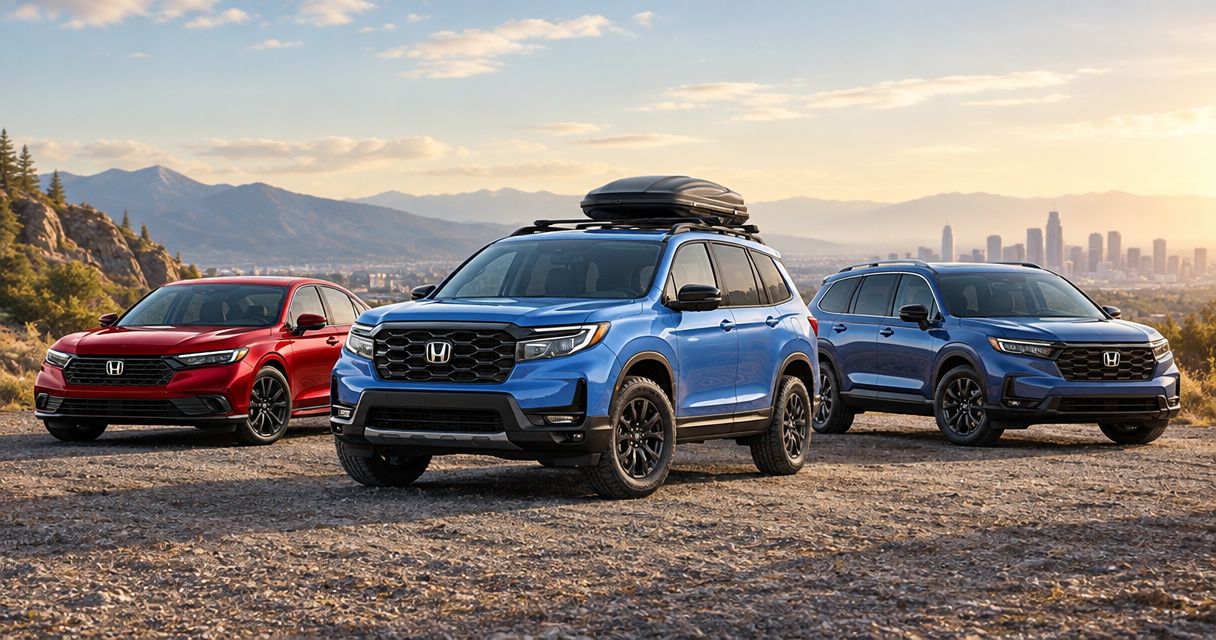
Best overall: Honda CR-V. Best for extra passengers: Honda Pilot. Best for two-row utility: Honda Passport. Best for easier parking: Honda HR-V. For 2026 shopping, Bristol Honda is a local starting point for drivers in Bristol, Johnson City and Kingsport who want help matching an SUV to their winter driving needs.
- The best Honda SUVs for Tri-Cities winters start with the CR-V for everyday use.
- Choose the Honda Pilot for three-row seating, not simply because winter is approaching.
- The Honda Passport suits two-row utility; the Honda HR-V suits drivers prioritizing easier parking.
- Bristol Honda shoppers should compare tire condition, drivetrain and maintenance history before choosing a winter SUV.
Why this matters
A winter SUV decision involves more than choosing all-wheel drive. Your tires provide contact with the road, your brakes control stopping, and your visibility determines how early you can react. All-wheel drive helps deliver power to the wheels; it does not remove the need for traction when braking or turning.
For drivers in Bristol, Johnson City and Kingsport, start with the roads you actually use. Think about driveway access, passenger needs, parking space and whether you can postpone a trip when conditions deteriorate. An SUV that fits those needs is a better choice than one selected only for its size.
The Honda CR-V is the best starting point for everyday Tri-Cities winter driving when you do not need a third row. That is a needs-based recommendation, not a claim that one model has the shortest stopping distance on snow.
What makes the best Honda SUV for winter?
Use these criteria before comparing individual vehicles in 2026:
- Tire suitability: Check tire type, tread condition, age and damage. A drivetrain badge does not describe the tires beneath it.
- Drivetrain fit: Confirm the exact vehicle's configuration rather than assuming every example has all-wheel drive.
- Passenger space: Decide whether you need 2 rows or 3 rows before comparing larger SUVs.
- Visibility and control: Check the driving position, defrosters, wipers, lighting and how comfortably you operate the controls.
- Maintenance condition: Review service records and arrange an inspection when buying used. Winter preparation matters on your current SUV, too.
Keep these criteria separate. More passenger space does not establish better snow traction, and a newer vehicle still needs properly maintained tires.
Honda winter SUVs at a glance
These rankings organize the shopping decision by use case. Confirm equipment, dimensions and operating instructions for the exact model year and trim through Honda's specifications and owner's manual.
| Rank and model | Best for | Standout characteristic | Key limitation |
|---|---|---|---|
| 1. Honda CR-V | Everyday commuting and family use | Two-row layout without stepping up to a three-row SUV | No third row for additional passengers |
| 2. Honda Pilot | Households needing extra passenger seating | Three-row seating layout | Larger size deserves a careful parking and garage check |
| 3. Honda Passport | Drivers wanting two-row utility | SUV utility without a third-row seating requirement | Not the answer when you need three rows |
| 4. Honda HR-V | Drivers prioritizing easier parking | Smaller vehicle footprint than the larger choices here | Less room to accommodate bulky passenger-and-cargo combinations |
1. Honda CR-V: best winter SUV for everyday driving
The Honda CR-V is the default recommendation for shoppers who need an everyday SUV rather than extra passenger rows. Its two-row layout suits commuting, errands and family trips without making three-row seating part of the purchase decision.
For a 2026 shortlist, compare the actual CR-V you are considering with your current vehicle. Bring your usual passengers and the items you carry regularly. Check the drivetrain and tire specifications separately rather than treating the model name as a winter-readiness guarantee.
Honda CR-V pros:
- Two-row seating suits households that do not need a third row.
- A practical starting point for comparing daily comfort and cargo needs.
- Lets you focus on useful equipment instead of buying extra seating you will not use.
Honda CR-V cons:
- Does not provide a third row.
- A used example's tire condition and maintenance history require individual inspection.
Best for: Drivers seeking an everyday SUV for Bristol, Johnson City or Kingsport without a three-row requirement.
Verdict: Buy the Honda CR-V if its seating and cargo layout meet your daily needs and the specific vehicle passes your condition checks.
2. Honda Pilot: best winter SUV for extra passengers
The Honda Pilot belongs at the top of your list when passenger capacity is the deciding factor. Its three-row layout addresses a different need from the two-row models in this guide.
Test access to every row, not just the driver's seat. With the seats arranged for your passengers, check whether your regular bags and winter supplies still fit. For a closer seating comparison, read the Honda Pilot vs. Passport family guide.
Honda Pilot pros:
- Three seating rows support households needing additional passenger positions.
- Lets you evaluate family access and luggage space in one vehicle.
- A clear alternative when a two-row SUV cannot meet your seating needs.
Honda Pilot cons:
- Its larger footprint requires attention in garages and parking spaces.
- Carrying passengers in every row changes the cargo space you can use.
Best for: Families whose regular passenger needs justify three-row seating.
Verdict: Buy the Honda Pilot for its passenger layout; skip the extra size if you rarely need the third row.
3. Honda Passport: best winter SUV for two-row utility
The Honda Passport suits shoppers who want SUV utility but do not need a third row. Its two-row layout makes passenger-and-cargo fit the central shopping question rather than maximum seating.
Bring your bulky items to the comparison when practical. Check the cargo opening, loading height and rear-seat arrangement yourself. Do not assume an outdoor-oriented appearance establishes how a particular vehicle will perform on an icy road.
Honda Passport pros:
- Two-row seating keeps the decision focused on passengers and cargo.
- Offers a distinct alternative to choosing a three-row SUV.
- Suits shoppers who want to test utility without adding a third-row requirement.
Honda Passport cons:
- Does not solve a need for three seating rows.
- Its size still deserves a driveway, garage and parking check.
Best for: Drivers whose priorities are two-row seating and practical cargo use.
Verdict: Buy the Honda Passport when its usable space fits your equipment and passengers better than the other two-row choices.
4. Honda HR-V: best winter SUV for easier parking
The Honda HR-V is the smaller-footprint choice in this comparison. Start here if parking confidence and maneuvering space matter more to you than carrying bulky loads.
Sit in the rear seats and try your normal cargo before deciding. A smaller SUV still needs suitable tires, clear windows and sound maintenance; compact dimensions do not establish winter traction.
Honda HR-V pros:
- Smaller footprint helps you prioritize parking and maneuvering needs.
- Two-row seating avoids unnecessary third-row space.
- Provides a useful starting point for drivers moving from a smaller vehicle.
Honda HR-V cons:
- Passenger-and-cargo combinations need a careful fit check.
- Drivers carrying bulky equipment should compare the larger choices directly.
Best for: Drivers who put parking convenience ahead of maximum interior space.
Verdict: Buy the Honda HR-V if your passengers and everyday cargo fit comfortably; skip it if loading compromises become routine.
Winter readiness starts with the tires
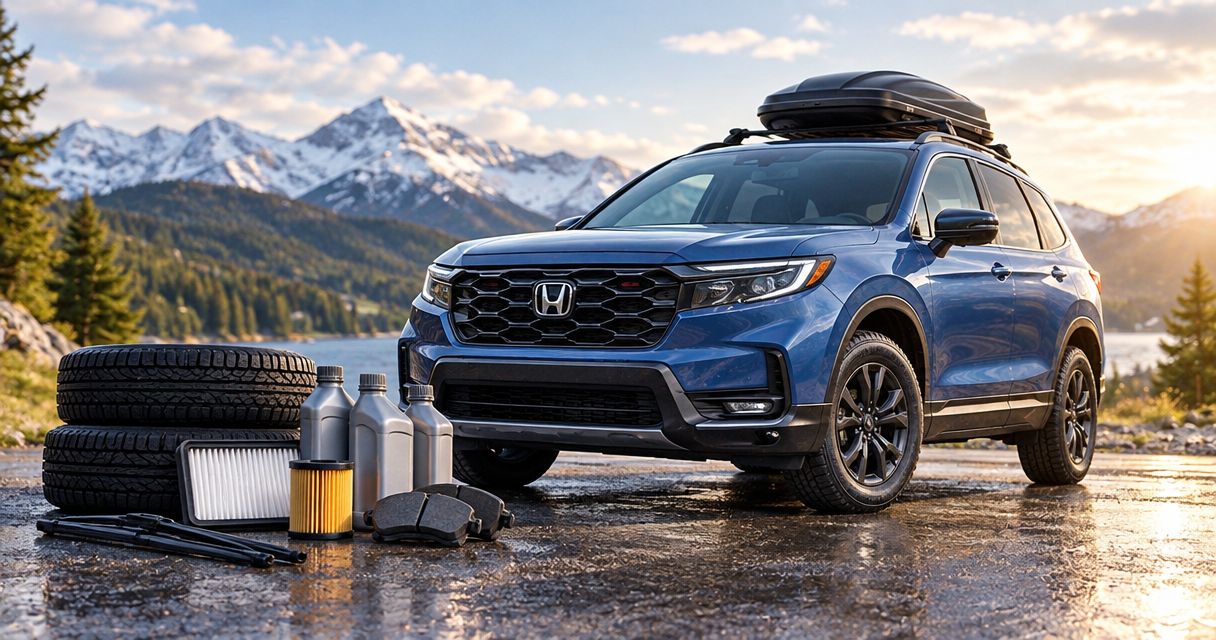
For your 2026 winter preparation, assess the tires before adding accessories or changing vehicles. Read the tire information on the sidewall and check the vehicle's specified sizes. Ask a service professional to explain whether the current tires suit your expected use.
The three-peak mountain snowflake symbol identifies tires meeting a standardized severe-snow traction requirement. It is not a promise of grip on every icy surface. You still need appropriate speed, following distance and sound judgment about whether to travel.
Use this winter-readiness checklist:
- Tire condition: Inspect tread, uneven wear, cracks, bulges and other damage. Investigate uneven wear rather than simply replacing the tire and ignoring the cause.
- Cold pressure: Check pressure before driving and follow the vehicle's tire-information label, not the maximum pressure printed on the sidewall.
- Brake inspection: Report noise, vibration, pulling or changes in pedal feel. Tire and brake concerns should be assessed together.
- Battery test: Arrange testing when starting becomes sluggish or battery condition is uncertain. Do not judge battery health from age alone.
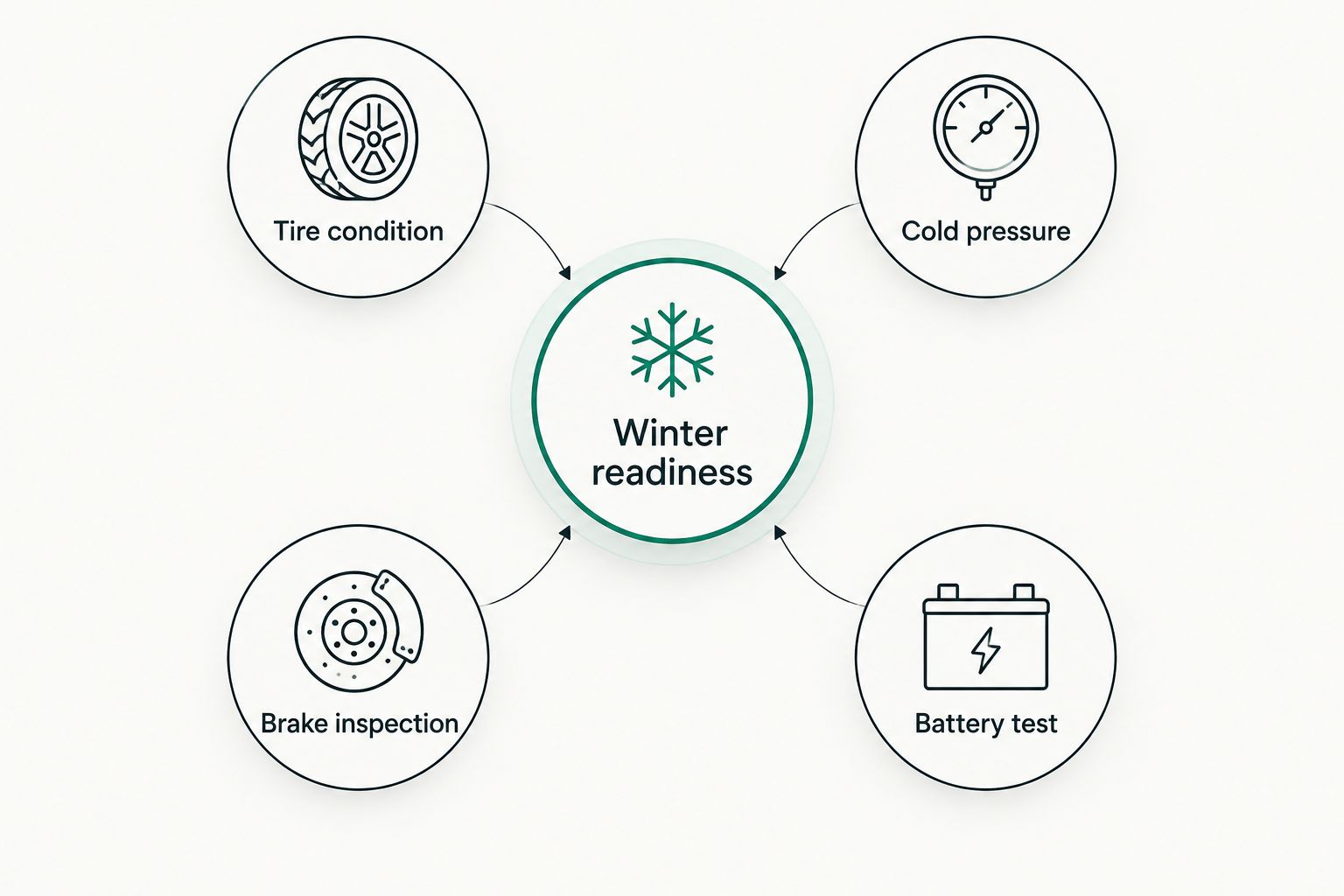
These checks apply whether you are shopping for a replacement or keeping your current SUV. Ask the service team to explain what needs attention now and what can remain on a planned maintenance schedule.
Prepare visibility, fluids and fitted parts
Winter preparation also means being able to see and operate the vehicle comfortably. Test the front and rear defrosters, inspect wiper blades, check exterior lights and use washer fluid appropriate for the expected temperatures. Clear snow and ice before driving rather than relying on a small opening in the windshield.
For fluids, follow the exact vehicle's owner's manual and maintenance guidance. Do not choose engine oil by season alone or substitute an unverified coolant specification. Ask the service team to confirm the correct product for your model and powertrain.
Fit matters with accessories, too. Secure floor mats using the intended retainers, and never stack mats where they can interfere with the pedals. Check model-specific fit before ordering cargo liners, wipers or other winter items.
Buying used or certified pre-owned for winter
A used SUV deserves two separate assessments: whether the model suits your needs and whether the individual vehicle is in suitable condition. Neither replaces the other. Request maintenance records, review vehicle history and arrange a condition inspection before deciding.
For a certified pre-owned vehicle, ask for the applicable certification documents and coverage terms. Confirm what applies to that particular vehicle rather than assuming every used Honda has the same coverage. Inspect the tires and ask about maintenance due soon regardless of certification status.
During a safe test drive, check steering response, brake feel, visibility and warning lights. Do not deliberately provoke a slide or test traction limits on public roads. An ordinary test drive cannot establish how the vehicle will behave in every winter condition.
How these Honda SUVs are ranked
This 2026 ranking prioritizes daily fit, passenger layout, usable space and winter-maintenance needs. It does not assign measured snow-performance scores or claim that one model outbrakes another on ice.
The CR-V leads as the everyday starting point. The Pilot, Passport and HR-V each address a distinct reason to choose something else: additional seating rows, two-row utility or a smaller footprint.
Which Honda SUV should you choose?
Choose the CR-V unless a clear seating, cargo or parking requirement points elsewhere. Choose the Pilot when three rows are necessary, the Passport when its two-row utility fits your load, and the HR-V when its smaller footprint matters most.
Bristol Honda is located in Bristol, Tennessee, and serves Johnson City and Kingsport. Ask the team to help compare vehicles and plan service or parts needs before your visit. Confirm the specific vehicle's equipment rather than assuming a model name answers every question.
Plan your next Honda visit
Ask about SUV comparisons, maintenance needs or parts fit before traveling to Bristol.
FAQ
What's the best Honda SUV for Tri-Cities winters?
The Honda CR-V is the best starting point for everyday driving when you do not need a third row. Choose based on the specific vehicle's tires, drivetrain, condition and fit for your passengers.
Is the Honda Pilot better than the Passport for winter?
The Honda Pilot is the better seating choice when you need three rows; the Passport has two rows. That difference does not establish which individual vehicle has better winter traction.
Do I need all-wheel drive for winter driving?
All-wheel drive is not a substitute for suitable tires and careful driving. It helps distribute driving power, but it does not remove traction limits when braking or cornering.
Can I keep driving on my current tires in winter?
Have your current tires assessed for condition and suitability before deciding. Check tread, damage, pressure and tire type, then discuss your expected driving conditions with a service professional.
What should I check before buying a used Honda SUV?
Check maintenance records, vehicle history, tires, brakes, warning lights and the exact drivetrain configuration. Arrange a condition inspection and verify any certification or coverage documents separately.
What winter service should I request for my Honda?
Start with tire, brake, battery and visibility checks, then review maintenance due for your specific vehicle. Follow the owner's manual for fluid specifications and operating guidance.
Does Bristol Honda have locations in Johnson City and Kingsport?
Bristol Honda is located in Bristol, Tennessee, and serves drivers from Johnson City and Kingsport. Contact the team before traveling to coordinate vehicle-shopping or service needs.
One last thing
Before replacing your SUV for winter, ask what your current vehicle actually needs. A maintenance concern is not automatically a reason to buy a different vehicle. If your SUV already fits your passengers and cargo, start your 2026 decision with a condition assessment rather than a larger model.