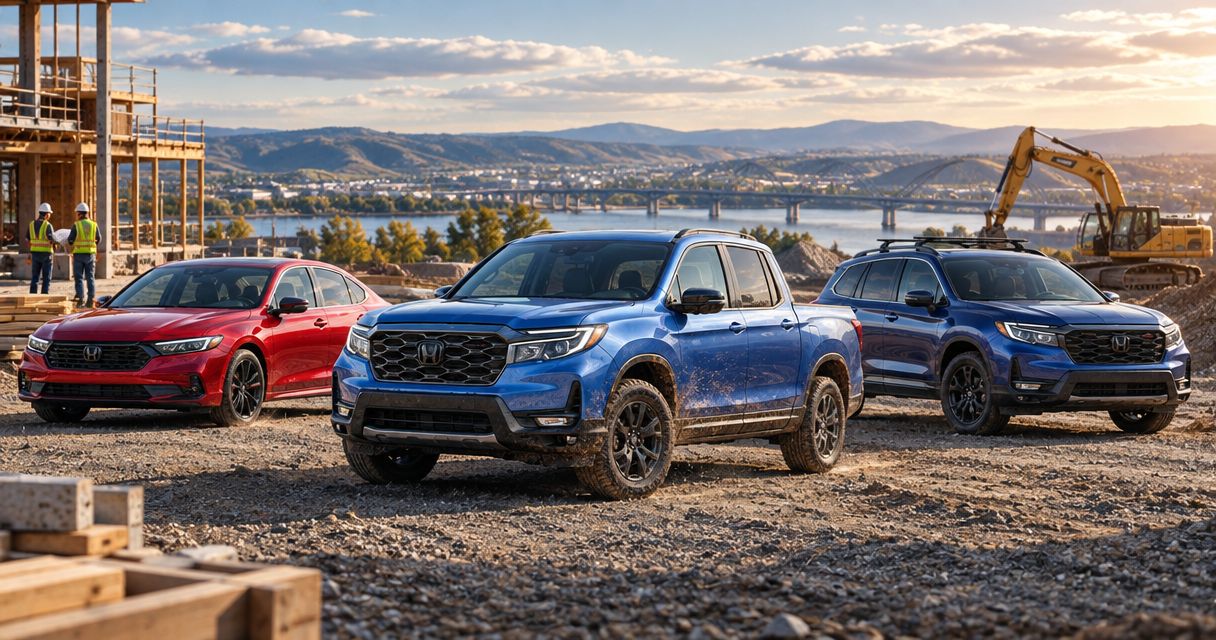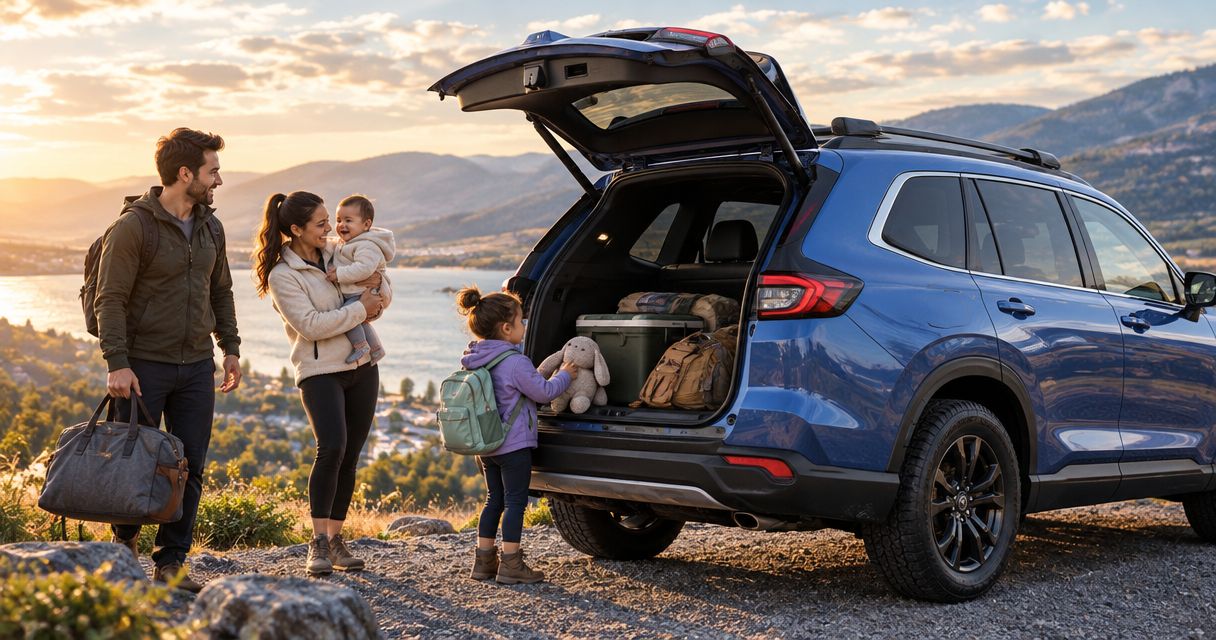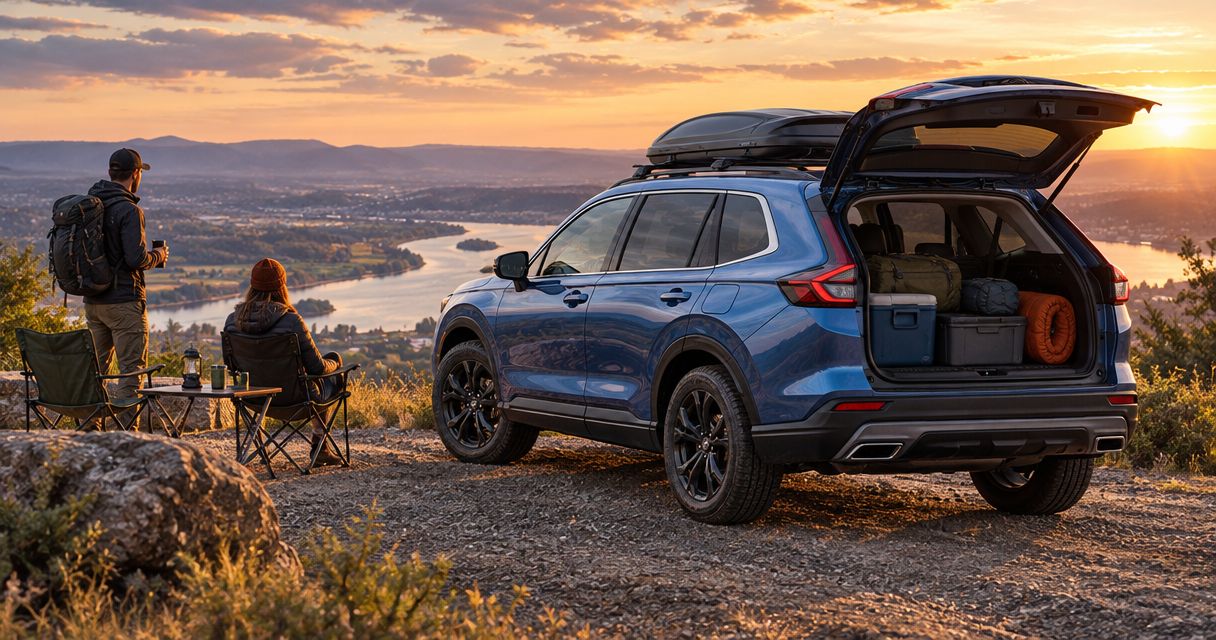
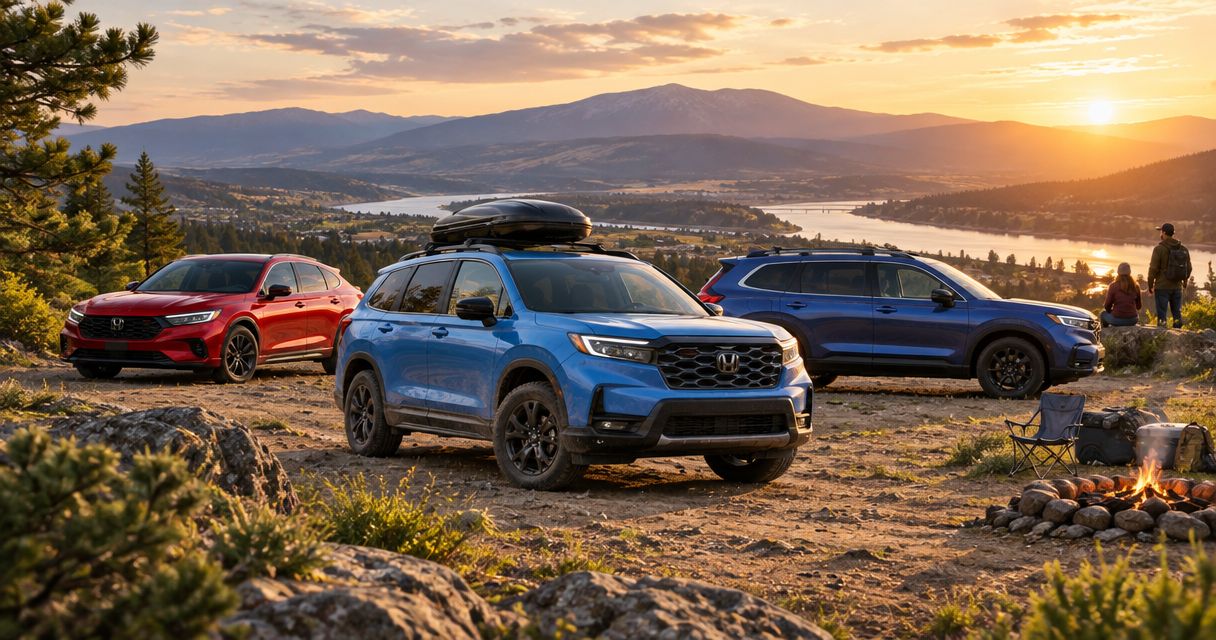
Best overall: Honda Passport. Best for larger groups: Honda Pilot. Best for weekday driving and weekend trailheads: Honda CR-V Hybrid. Best for muddy equipment: Honda Ridgeline. This 2026 guide compares the best Honda models for outdoor adventure and explains the service and parts checks that belong alongside your test drive.
- The Honda Passport leads the best Honda models for outdoor adventure when passenger space and enclosed gear storage come first.
- Choose the Honda Pilot for larger groups, or the Honda CR-V Hybrid for commuting and weekend outings.
- Choose the Honda Ridgeline when dirty equipment belongs in a separate pickup bed.
- Check tires, brakes, maintenance records and accessory fit before planning your next Tri-Cities trip.
Why this matters
Your outdoor vehicle still has to work on Monday. A large cabin helps with camping equipment, but you also need comfortable parking, manageable loading and a maintenance plan that fits your routine.
Bristol Honda is located in Bristol, Tennessee, and serves drivers from Johnson City and Kingsport. Bring the same practical questions whether you start in Bristol, commute from Johnson City or plan weekend outings from Kingsport: who rides, what comes along and what condition is the vehicle in?
The Honda Passport is the default recommendation for outdoor shoppers who want an enclosed SUV without a third-row seating requirement. Choose a different model when your passenger count, daily driving or equipment makes that trade-off clear.
What makes the best Honda models for outdoor adventure?
Use these criteria before comparing trim names. A useful vehicle is one that fits your actual trips, not just your longest imagined vacation.
- Passenger fit: Count everyone who regularly travels, including children who need installed child seats.
- Usable cargo space: Evaluate the space left after passengers take their seats, not only the maximum with seats folded.
- Road suitability: Match tires, drivetrain and vehicle clearance to the roads you expect to use.
- Equipment handling: Decide whether wet boots, bicycles and camping equipment belong inside an SUV or in a pickup bed.
- Daily practicality: Include your parking space, commute and loading routine in the decision.
- Maintenance readiness: Review tires, brakes, fluids, service history and accessory installation before departure.
Honda adventure vehicles at a glance
These 2026 recommendations assign each model a different job. They are shopping priorities, not a claim that every trim has identical equipment or capability.
| Model | Best for | Standout feature | Key limitation |
|---|---|---|---|
| Honda Passport | Enclosed gear and smaller groups | Two-row SUV layout with a separate cargo area | No third row for additional passengers |
| Honda Pilot | Larger groups | Three-row passenger layout | Occupied rear seats reduce space for equipment |
| Honda CR-V Hybrid | Commuting plus weekend outings | Hybrid powertrain in a two-row SUV | Not a substitute for a dedicated off-road vehicle |
| Honda Ridgeline | Dirty or bulky equipment | Pickup bed separates equipment from the cabin | Open-bed loads need weather protection and securement |
1. Honda Passport: best adventure SUV for enclosed gear
The Honda Passport puts 5 seats and an enclosed cargo area in a two-row SUV. That layout suits shoppers who want to carry camping equipment without working around a third row.
Start your 2026 Passport comparison with a loading exercise. Bring your largest regularly carried item, check the liftgate opening and see whether rear passengers retain comfortable seating positions.
Honda Passport pros:
- Enclosed storage keeps equipment separate from outside weather.
- A two-row layout suits groups that do not need additional seating rows.
- The SUV body lets you access luggage without climbing into a pickup bed.
Honda Passport cons:
- No third row for a growing passenger list.
- Wet or muddy equipment shares the enclosed vehicle space.
Best for: Couples, small families and friends who prioritize enclosed equipment storage.
Service and parts check: Inspect the cargo floor and rear seatbacks on a used example. Confirm that any cargo liner fits the exact vehicle, and ask about cleaning and securing equipment without obstructing seat latches.
Verdict: Buy the Honda Passport if enclosed gear space matters more than a third row.
2. Honda Pilot: best adventure SUV for larger groups
The Honda Pilot adds a third seating row for trips with more passengers. Its advantage is passenger flexibility, but the seats your group occupies also determine the space left for bags.
For a 2026 Pilot, inspect the exact seating configuration rather than assuming every example seats the same number. Ask everyone to try their usual position, then load the equipment you expect to carry together.
Honda Pilot pros:
- Three rows accommodate a larger traveling group than a two-row SUV.
- Folding unused seats creates additional equipment space.
- An enclosed cabin keeps passengers and luggage within the same vehicle.
Honda Pilot cons:
- Carrying passengers in every row limits luggage space.
- Additional seating does not remove the vehicle's payload limit.
Best for: Families and groups whose regular passenger count rules out a two-row vehicle.
Service and parts check: Check each seat belt, folding mechanism and head restraint. Before adding a roof carrier, confirm the roof-system limits and include the carrier itself in the load calculation.
Verdict: Buy the Honda Pilot when passenger capacity is the deciding requirement.
3. Honda CR-V Hybrid: best for commuting and weekend outings
The Honda CR-V Hybrid combines a hybrid powertrain with a 5-seat SUV layout. It belongs on your shortlist when your outdoor trips share a vehicle with school runs, errands and commuting.
For 2026 shopping, compare the exact drivetrain and trim equipment. A hybrid badge identifies the powertrain; it does not establish tire suitability, ground clearance or permission to use a difficult trail.
Honda CR-V Hybrid pros:
- A two-row cabin serves passengers and everyday cargo needs.
- The hybrid powertrain offers an alternative to a gas-only SUV.
- The enclosed cargo area suits bags, boots and day-trip equipment.
Honda CR-V Hybrid cons:
- No third row for extra passengers.
- It is not a dedicated vehicle for technical off-road routes.
Best for: Drivers whose normal week matters as much as occasional camping or hiking trips.
Service and parts check: Follow the maintenance instructions for the exact hybrid model. Do not treat hybrid ownership as a reason to skip tire, brake or fluid inspections, and leave high-voltage work to qualified technicians.
Verdict: Buy the Honda CR-V Hybrid when everyday driving sets the requirements.
4. Honda Ridgeline: best adventure pickup for dirty equipment
The Honda Ridgeline separates passengers from equipment with a pickup bed. That distinction matters when your regular load includes muddy tools, wet outdoor equipment or items you do not want against cabin upholstery.
Test the loading process before choosing accessories. Measure your equipment, identify secure attachment points and confirm that any bed accessory fits the exact vehicle.
Honda Ridgeline pros:
- A separate bed keeps dirty equipment outside the passenger cabin.
- The pickup layout provides another way to carry bulky items.
- A 5-seat cabin accommodates passengers without using the bed for seating.
Honda Ridgeline cons:
- Open-bed equipment needs weather protection when appropriate.
- Loose loads require proper securement, even on short drives.
Best for: Outdoor shoppers whose equipment is the main reason to choose a pickup.
Service and parts check: Inspect bed attachment points and any installed accessories. If towing is part of your plan, have the hitch, wiring, tires and trailer requirements checked before departure.
Verdict: Buy the Honda Ridgeline when a separate equipment bed solves your main problem.
Make the test drive a loading test
Give each candidate the same practical assignment. Bring representative equipment rather than relying on a cargo-volume figure alone; an awkward opening or uncomfortable passenger position matters more than a brochure comparison.
Follow this sequence:
- Seat passengers: Set the front seats correctly and install any child seats you normally use.
- Load equipment: Add your regular bags, cooler and largest outdoor item without blocking the driver's view.
- Check access: Open the doors and cargo area, retrieve a bag and confirm that passengers can enter comfortably.
- Drive normally: Include parking, reversing and roads representative of your usual driving.
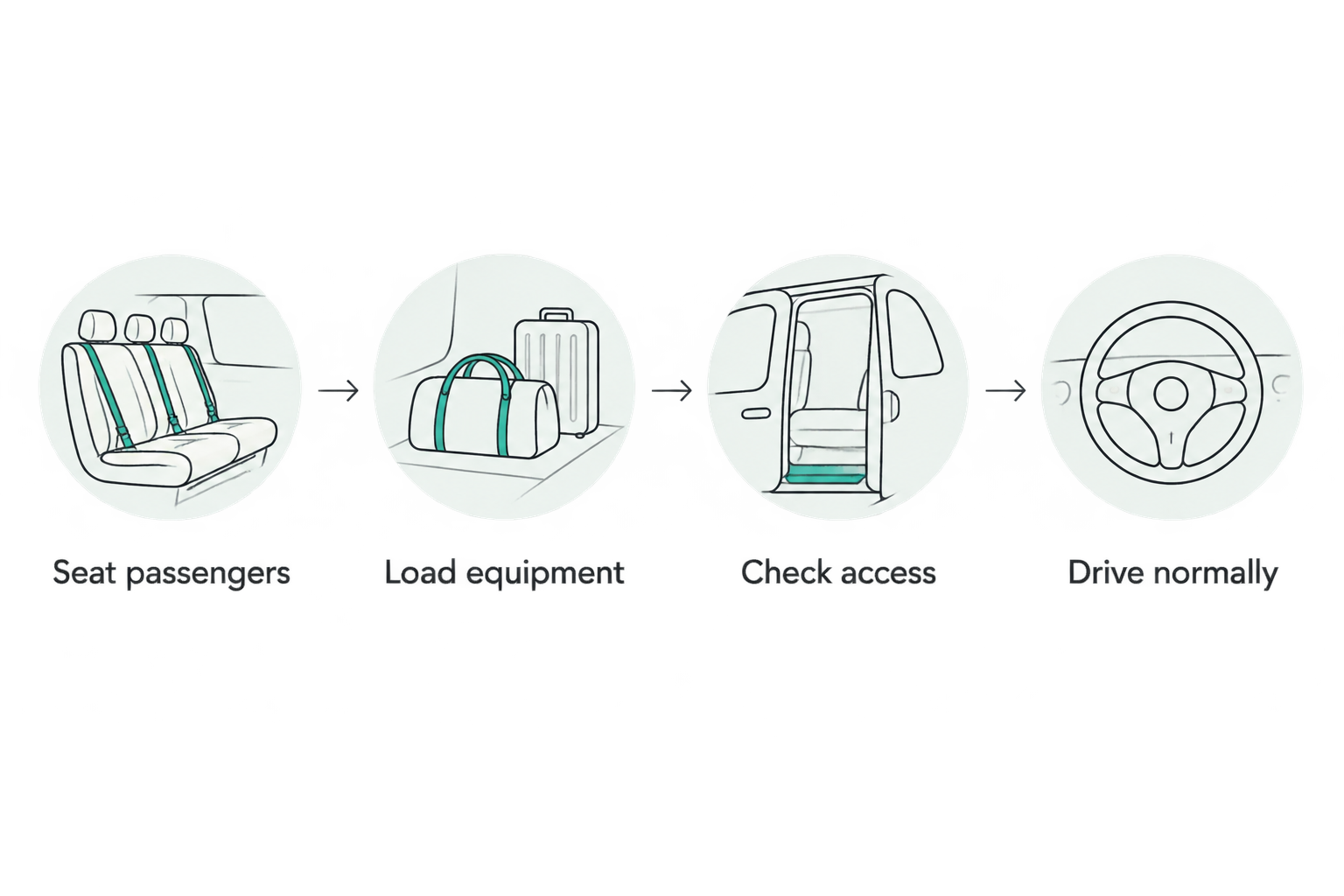
Apply the same test whether you live in Bristol, Johnson City or Kingsport. The useful result is a vehicle that handles your routine comfortably, not just one that holds your bags with every rear seat folded.
Prepare the vehicle before the first trip
A suitable model still needs sound tires, working brakes and the correct maintenance. Use this checklist for a vehicle you already own or one you are considering buying.
Tires and brakes
Check tire pressures when the tires are cold, using the vehicle placard as your reference. The pressure molded into a tire sidewall is not the vehicle's recommended operating pressure.
Inspect tires for damage and uneven wear. Ask for a brake inspection if you notice vibration, pulling, unusual noise or a change in pedal feel; do not postpone a concern until after a mountain drive.
Fluids and maintenance records
Check the maintenance information for the exact vehicle and address overdue work. Do not substitute a generic oil-change interval or fluid recommendation for the instructions that apply to your Honda.
On a used vehicle, review documented maintenance alongside its current condition. A vehicle-history report does not replace a mechanical inspection, and a clean-looking cargo area does not establish service history.
Accessories and load limits
Confirm fit by model year, trim and vehicle identification number before ordering racks, liners or towing equipment. The guide to ordering Honda accessories and checking model and trim fit explains the questions to settle before choosing parts.
Passengers, luggage and installed equipment all contribute to the load. Follow the vehicle's labels and owner's manual rather than assuming that an empty space is permission to add more weight.
Service appointment details
When contacting Bristol Honda about service or parts, describe the trip and any symptoms clearly. Include the vehicle identification number, current mileage, maintenance messages and any accessories already fitted.
Ask what inspection or maintenance the vehicle needs, then approve a written scope before work begins. For drivers traveling from Bristol, Johnson City or Kingsport, clear appointment details also help you plan the visit without assuming a completion time.
How these Honda models are ranked
This ranking prioritizes passenger fit, usable equipment space, road suitability, daily practicality and maintenance readiness. The Passport takes the default position because its two-row SUV layout fits the enclosed-gear brief; the Pilot, CR-V Hybrid and Ridgeline each answer a different requirement.
The ranking does not assign every trim the same capability. For a 2026 purchase, check Honda's specifications and owner's manual for the exact configuration before relying on a seating, towing or accessory claim.
Which Honda adventure vehicle should you choose?
Start with the Honda Passport if you want an enclosed outdoor SUV and do not need a third row. Move to the Honda Pilot for additional passengers, the Honda CR-V Hybrid for a commute-centered routine or the Honda Ridgeline for a separate equipment bed.
Bristol Honda can help with vehicle shopping, financing questions and service or parts needs. Bring your passenger list and equipment requirements, then compare the exact vehicle rather than choosing on the model name alone.
FAQ
What's the best Honda model for outdoor adventure?
The Honda Passport is the default recommendation for shoppers who want an enclosed SUV without a third-row requirement. Choose the Pilot for larger groups, the CR-V Hybrid for commuting and weekend outings, or the Ridgeline for a separate equipment bed.
Is the Honda Passport better than the Pilot for camping?
The Honda Passport is the better starting point when you do not need a third row. The Honda Pilot makes more sense when your regular passenger count requires additional seating; compare cargo space with those seats occupied.
Is the Honda CR-V Hybrid suitable for hiking trips?
The Honda CR-V Hybrid suits hiking trips reached by roads appropriate for the exact vehicle. Check road conditions, tires and vehicle limitations rather than treating the hybrid powertrain as an off-road capability rating.
Should I choose a Ridgeline instead of an SUV?
Choose the Honda Ridgeline when separating dirty or bulky equipment from passengers is your priority. Choose an SUV when enclosed luggage access matters more, and account for load securement with either layout.
Do I need all-wheel drive for outdoor trips?
Your route and conditions determine whether all-wheel drive belongs on your requirements list. All-wheel drive does not replace suitable tires, safe braking distances or compliance with the vehicle's operating limits.
What should I service before a camping trip?
Check tires, brakes, fluids, maintenance messages and any towing or carrying equipment before a camping trip. Resolve warning lights or changes in vehicle behavior before departure, using the exact vehicle's maintenance guidance.
Can a used Honda work for outdoor adventures?
A used Honda belongs on your shortlist when its condition, configuration and maintenance history fit your plans. Review records, arrange an inspection and verify accessory fit instead of relying only on mileage or appearance.
One last thing
Your bulkiest item is a better shopping tool than an empty cargo area. Bring it to the vehicle comparison, leave the passenger seats where people actually need them and test whether you can retrieve essential gear without unloading everything.