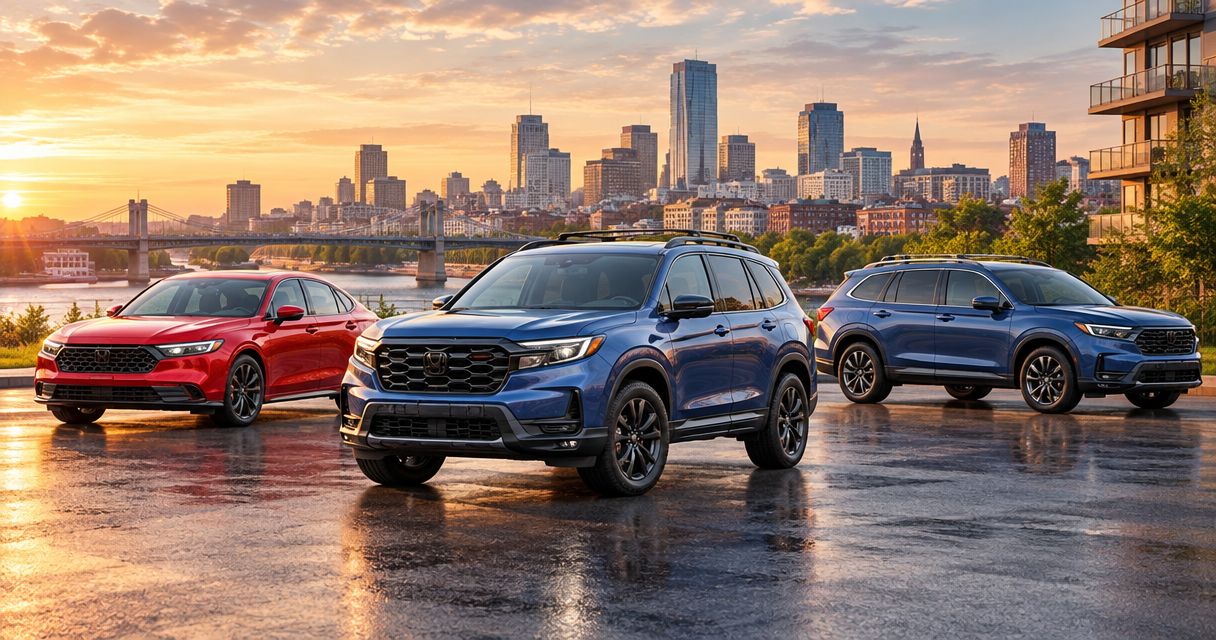
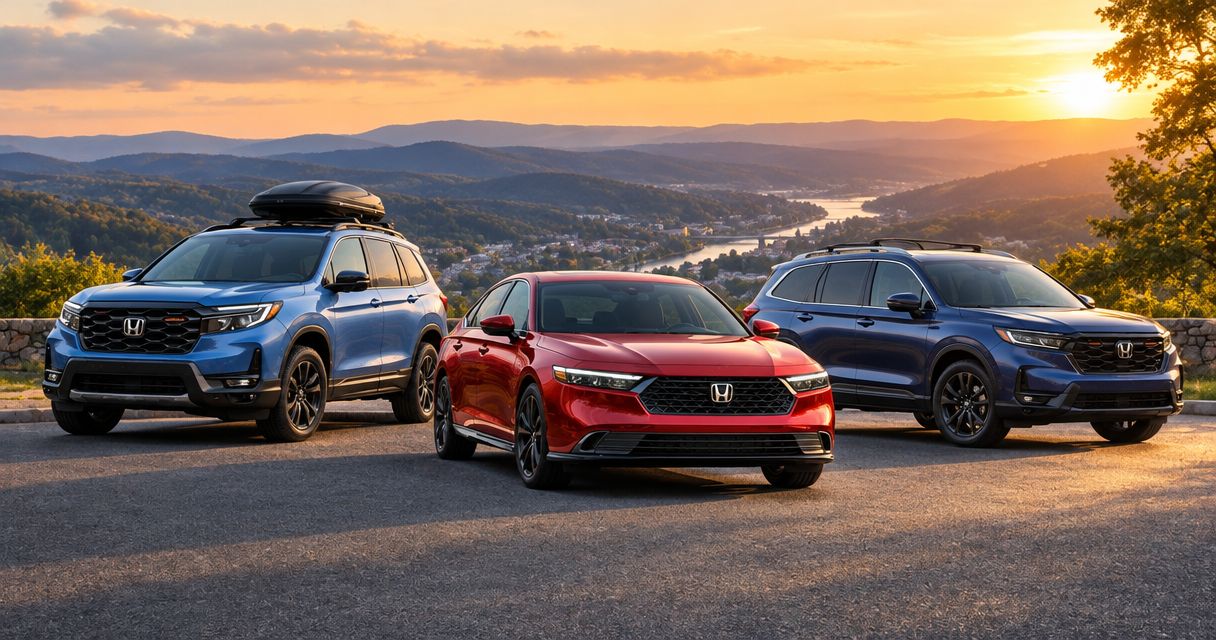
Best overall starting point: Honda CR-V. Best for sedan comfort: Honda Accord. Best for a smaller SUV: Honda HR-V. This 2026 guide compares the best Honda models for retirees in Kingsport by everyday fit, then explains the maintenance questions to bring to Bristol Honda, located in Bristol and serving Johnson City and Kingsport.
- The best Honda models for retirees in Kingsport start with the CR-V for an SUV-focused shopping shortlist.
- Choose the Honda Accord for sedan comfort, HR-V for a smaller SUV, Civic for compact-car use, or Pilot for passengers.
- Compare seat access, visibility, controls and cargo loading before choosing a trim.
- Bristol Honda serves Bristol, Johnson City and Kingsport; discuss vehicle fit and ongoing service together.
Why this matters
Retirement does not create one set of driving needs. You might want easier grocery loading, room for grandchildren, a comfortable highway seat or a car that feels manageable in familiar parking spaces.
The Honda CR-V is the best starting point for retirees who want to compare SUV seating and cargo access. It is not an automatic winner: a sedan can fit your body and driving habits better. Use this 2026 shortlist to decide what to test, not to replace a test drive.
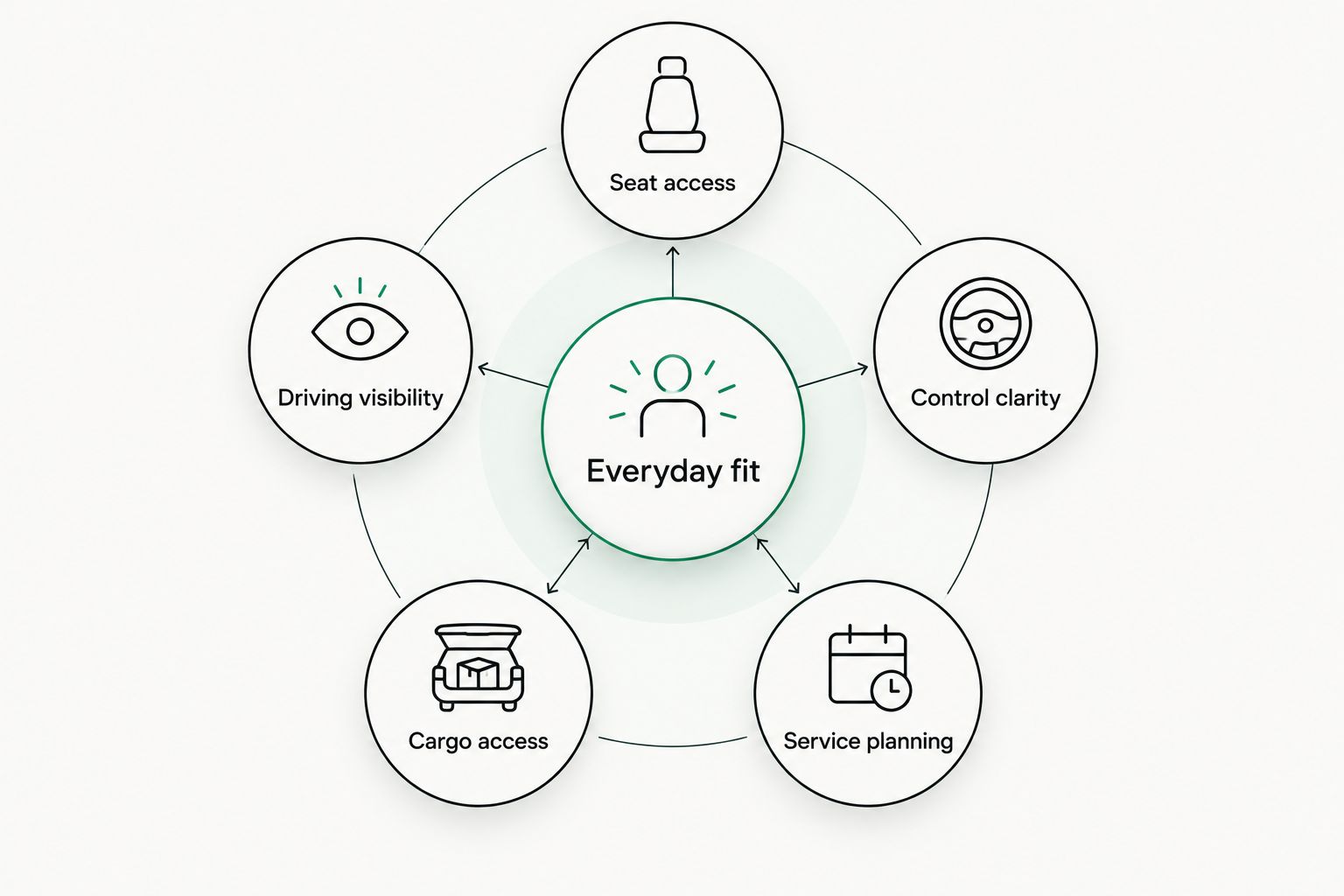
What makes the best Honda for retirees?
Judge each vehicle against the same criteria. Your comfort matters more than a feature list.
- Seat access: Can you sit down and stand up without pulling hard on the steering wheel or twisting awkwardly?
- Driving visibility: Can you see intersections, mirrors and the area around the vehicle from a comfortable position?
- Control clarity: Can you adjust temperature, audio and essential driving settings without searching through menus?
- Cargo access: Can you lift your usual belongings over the opening and retrieve them without excessive reaching?
- Service planning: Do you understand the vehicle's maintenance reminders, tire requirements and service history?
Bring your usual passenger and everyday items. A mobility aid, golf bag or grocery carrier gives you a more useful answer than an empty cargo area.
Best Honda models at a glance
These recommendations concern vehicle types and shopping priorities, not guaranteed equipment. Confirm the exact model year, trim and features on every vehicle you consider.
| Rank and model | Best for | Standout characteristic | Key limitation |
|---|---|---|---|
| 1. Honda CR-V | Everyday SUV use | SUV seating position and rear cargo opening | SUV height does not suit every driver |
| 2. Honda Accord | Drivers who prefer a sedan | Separate trunk and sedan driving position | Lower seating requires a careful access check |
| 3. Honda HR-V | A smaller SUV shortlist | Smaller SUV alternative to the CR-V | Less space than larger Honda SUVs |
| 4. Honda Civic | Compact-car routines | Compact sedan or hatchback choices, depending on model year | Lower seating and less room than larger alternatives |
| 5. Honda Pilot | Carrying family passengers | Three-row SUV layout | More vehicle to maneuver and maintain |
1. Honda CR-V: best Honda for everyday SUV use
The Honda CR-V belongs first on an SUV-focused retirement shortlist. Its body style lets you compare an upright seating position and rear cargo opening against the lower seating and separate trunk of a sedan.
Do not judge entry height by appearance. Sit in the actual vehicle, adjust the seat and repeat the movement from outside before deciding whether the CR-V fits you.
Honda CR-V pros:
- SUV seating gives you a useful alternative to test against a sedan.
- The rear cargo opening suits a practical loading demonstration.
- It provides a middle-ground comparison between the smaller HR-V and larger Pilot.
Honda CR-V cons:
- The step into the cabin will not suit every driver's mobility.
- Rearward visibility and cargo reach still need personal checks.
Service focus: On a used CR-V, review maintenance records alongside its condition. Ask about tire wear, brake condition and any maintenance reminders showing on the dashboard; do not treat a clean exterior as evidence of completed service.
Best for: Retirees who want an everyday SUV without starting with a three-row vehicle.
Verdict: Buy if the seat height, visibility and cargo reach fit you.
2. Honda Accord: best Honda for retirees who prefer a sedan
The Honda Accord is the sedan to compare before assuming retirement requires an SUV. Its separate trunk keeps luggage apart from the passenger compartment, and its seating position offers a different driving feel from the CR-V.
For your 2026 shopping visit, focus on how your hips, knees and back feel during entry and exit. A comfortable seat once you are inside does not cancel out an awkward movement getting there.
Honda Accord pros:
- Sedan layout suits drivers who already prefer a lower driving position.
- A separate trunk keeps stored belongings outside the passenger area.
- It gives you a larger-sedan alternative to the Civic.
Honda Accord cons:
- Lower seating can make standing up more demanding.
- A trunk opening is less flexible than an SUV hatch for bulky belongings.
Service focus: Confirm the exact powertrain before discussing maintenance. Gasoline and hybrid versions require the correct service information for that vehicle; never apply another Accord's schedule or fluid specification without checking.
Best for: Retirees who enjoy driving a sedan and find its entry movement comfortable.
Verdict: Buy if sedan access works for you and a trunk fits your routine.
3. Honda HR-V: best Honda for a smaller SUV shortlist
The Honda HR-V gives you a smaller SUV to compare with the CR-V. Start here if a larger vehicle feels unnecessary, but you still want to assess a hatch-style cargo area and SUV seating.
Check the driver's seat and passenger seat separately. Your preferred driving position does not establish whether your spouse, friend or regular passenger will be comfortable.
Honda HR-V pros:
- Smaller SUV proportions offer an alternative to the CR-V.
- A rear hatch supports a direct test with your everyday belongings.
- It lets you compare SUV access without moving to a larger model.
Honda HR-V cons:
- Passenger and cargo needs can outgrow the smaller layout.
- A smaller exterior does not guarantee better visibility from your seating position.
Service focus: Inspect tires rather than assuming a smaller vehicle needs less attention. Ask a service adviser to explain tread condition, uneven wear and the correct inflation information for the specific vehicle.
Best for: Retirees who want an SUV but do not need the space of larger Honda models.
Verdict: Buy if your passengers and usual cargo fit without compromise.
4. Honda Civic: best Honda for compact-car routines
The Honda Civic belongs on your list when you prefer a compact car to an SUV. Depending on model year and configuration, sedan and hatchback body styles offer different ways to carry belongings.
Compare the actual opening, not just the body-style name. A hatchback still requires you to check the load height, reach and space with the seats positioned for normal use.
Honda Civic pros:
- Compact-car proportions suit drivers who do not want a larger vehicle.
- Different body styles offer distinct cargo-access choices.
- It provides a direct smaller-car comparison with the Accord.
Honda Civic cons:
- Lower seating needs the same careful mobility check as other sedans.
- Passenger space and luggage needs can favor a larger model.
Service focus: For a used Civic, compare recorded maintenance with the vehicle's current condition. Ask about unresolved warning lights, tire wear and the next recommended service before making a decision.
Best for: Retirees whose normal trips do not require a larger sedan or SUV.
Verdict: Buy if compact-car access and space cover your everyday needs.
5. Honda Pilot: best Honda for carrying family passengers
The Honda Pilot is the family-passenger choice in this comparison because of its three-row SUV layout. Put it on your shortlist when you regularly need seating beyond what smaller models provide.
Bring the people who will actually ride with you. Check access to the rear seating and demonstrate luggage loading with the seats arranged as you will use them.
Honda Pilot pros:
- Three-row seating supports a family-passenger use case.
- The SUV cargo area allows different passenger-and-luggage arrangements.
- It gives you a larger alternative when smaller models fail your fit check.
Honda Pilot cons:
- Its larger footprint requires more attention when parking.
- Using more seats leaves less room for luggage than folding them.
Service focus: Ask about tire and brake condition, particularly on a used vehicle. Explain how you expect to carry passengers and belongings so the maintenance conversation reflects your actual use rather than assumptions about retirement driving.
Best for: Retirees who regularly transport family and need three-row seating.
Verdict: Skip if you rarely need the extra passenger capacity; buy if you do.
Make service part of the shopping decision
A retirement vehicle should fit your maintenance routine as well as your driveway. During a 2026 comparison, discuss the next service visit before discussing accessories or convenience features.
Bristol Honda offers vehicle sales, financing, service and parts in Bristol, serving drivers from Johnson City and Kingsport. Ask the team to explain the maintenance requirements and service options for the exact Honda you are considering.
Read records before choosing a used vehicle
Start with the vehicle's identity, mileage and service documents. Match the records to the car, then look for evidence of completed work rather than relying on a verbal summary.
- Ask which maintenance items have documentation.
- Identify recommendations that remain outstanding.
- Request an explanation of warning lights or maintenance messages.
- Separate inspection findings from optional accessories or upgrades.
Certified pre-owned status and routine maintenance answer different questions. Ask for the specific certification documents and service records; do not assume one replaces the other.
Understand reminders and routine care
Ask someone to demonstrate the vehicle's maintenance display while you are parked. You should leave knowing where reminders appear and how to find the relevant explanation in the owner's manual.
Do not choose an oil grade, fluid or replacement part from memory. Match those requirements to the exact vehicle. For hybrid questions, distinguish the high-voltage system from the low-voltage battery rather than treating every battery concern as the same repair.
Plan service around your actual trips
For drivers in Bristol, Johnson City and Kingsport, describe your normal driving rather than simply calling it “local use.” Mention short trips, longer drives and periods when the vehicle sits unused.
Before an appointment, confirm what work is requested, what requires diagnosis and how you will receive updates. Ask about technician credentials and Honda-specific procedures when discussing certified Honda service; request a clear explanation of any recommended repair before authorizing it.
Use a repeatable test-drive plan
Set aside 10 minutes for a parked fit check before driving. Then request a route that lets you assess ordinary turns, parking and road speeds; 20 minutes is a useful planning allowance, not a vehicle-performance standard.
- Set the seat. Adjust the seat, steering wheel and mirrors before judging visibility.
- Repeat entry. Get out and back in, checking both the driver's and passenger's movements.
- Load belongings. Bring 2 everyday bags, or substitute the mobility aid or equipment you actually carry.
- Try controls. Find temperature, defrosting, lights and audio controls while parked.
- Review service. Discuss records, reminders and the next maintenance requirements after the drive.
Use the same checks for every contender. That keeps a familiar badge or an appealing feature from outweighing an uncomfortable seat.
How these Hondas were ranked
This 2026 ranking prioritizes seat access, visibility, control clarity, cargo access and service planning. It sorts established Honda body styles by use case; it is not a claim of instrumented testing or a model-year specification comparison.
The CR-V leads as an SUV starting point. The Accord, HR-V, Civic and Pilot each earn a distinct place for drivers whose needs differ.
Which Honda should you choose?
Start with the CR-V and compare it directly with one alternative that challenges your assumptions. Try the Accord if you already like sedans, the HR-V if you want a smaller SUV, the Civic if compact-car space is enough, or the Pilot if passenger capacity is essential.
For a 2026 visit to Bristol Honda, bring your driver's license, usual passenger and everyday belongings. Discuss buying and ongoing care together so your choice works after the test drive, too.
FAQ
What's the best Honda for retirees in Kingsport?
The Honda CR-V is the best starting point for retirees comparing everyday SUVs. Choose only after checking seat access, visibility, cargo reach and the exact vehicle's equipment.
Is the Honda Accord or CR-V easier to get into?
The easier vehicle is the one that fits your movement and seating needs. Compare the Accord's lower seating with the CR-V's SUV seating by getting in and out of both.
Should a retiree choose the Honda HR-V or CR-V?
Choose the HR-V for a smaller SUV shortlist and compare the CR-V when you need more space. Bring your regular passenger and belongings to check whether the smaller layout works.
Is the Honda Pilot too large for a retired couple?
The Honda Pilot makes sense when a retired couple regularly needs its three-row passenger layout. If you rarely carry extra passengers, compare smaller models before accepting the parking demands of a larger SUV.
Is a used Honda a sensible retirement vehicle?
A used Honda belongs on your shortlist when its condition, history and fit meet your needs. Review service records, inspection findings and any certification documents for the individual vehicle.
What service questions should I ask before buying a Honda?
Ask about documented maintenance, current tire and brake condition, warning lights and the next recommended service. Confirm fluid and parts requirements using information for the exact vehicle.
Does Bristol Honda have a dealership in Kingsport or Johnson City?
Bristol Honda is located in Bristol, Tennessee, and serves Kingsport and Johnson City. Plan your shopping or service visit around its Bristol location.
One last thing
Test the passenger seat before making your final choice. Retirement driving often includes sharing trips, and a vehicle that works beautifully from behind the wheel can still leave your regular passenger uncomfortable. Repeat the same entry, seatbelt and control checks on both sides.